



Leave Your Message
Engineered for durability, thermal performance, and eco-compliance across the United States market.
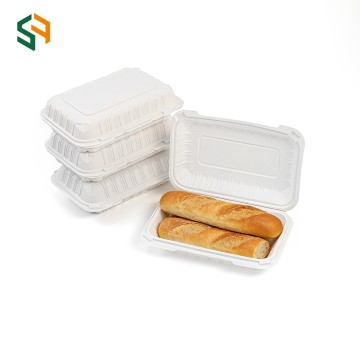
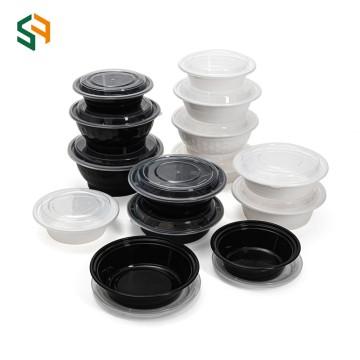
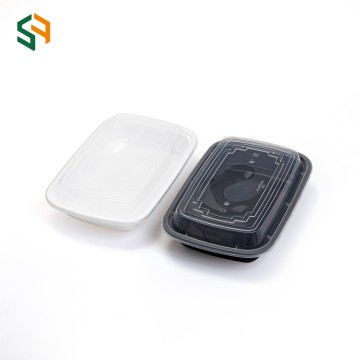
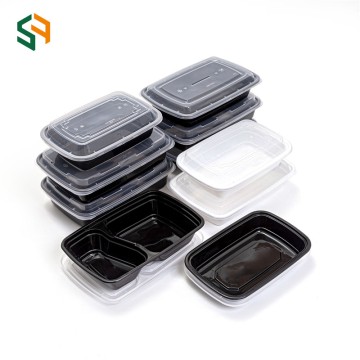
The packaging container industry in the United States is undergoing a seismic shift. Driven by the rapid expansion of quick-service restaurants (QSRs), third-party delivery apps like DoorDash and UberEats, and a growing consumer emphasis on environmental stewardship, the demand for high-performance, cost-effective, and compliant food containers has never been higher. From busy metropolitan delis in New York to eco-conscious cafes in California, businesses require packaging that guarantees food integrity, prevents leaks, and aligns with local environmental regulations.
State-level legislation, such as California’s SB 54 and various municipal bans on expanded polystyrene (EPS) foam, is reshaping the supply chain. Distributors and restaurant chains are actively transitioning to recyclable polypropylene (PP) and bio-based alternatives. Finding reliable suppliers who can offer competitive quotes, stable lead times, and certified food-safe products is crucial for maintaining operational margins in the highly competitive US food service sector.
Industry Insight: "By 2026, the US food packaging market is projected to reach unprecedented volumes, with sustainable, microwavable, and leak-proof plastic formulations leading the demand. Modern supply chains require zero-contamination manufacturing to satisfy strict FDA and HACCP guidelines."
To be your trusted partner in sustainable food packaging – delivering high-value products, reliable quality, and excellent service.
With years of experience in disposable tableware, we use 100% compostable, bio-based, and biodegradable materials to reduce fossil fuel dependency. Precision manufacturing ensures every container is durable, safe, and able to return to nature responsibly.
We are committed to a greener future – helping you serve meals in a way that protects both health and the planet.
Understanding where and how these packaging containers are deployed helps suppliers optimize their designs for maximum utility. In the United States, several key micro-markets dictate the specifications of thermoformed and injection-molded containers:
The rise of premium meal prep subscription services across suburban America has created a massive demand for multi-compartment, microwavable containers. These containers must withstand freezing temperatures during transit and remain structurally sound when heated in home microwaves. Leak-proof seals and clear lids are essential, allowing consumers to visually inspect their meals while ensuring zero spills during transit.
In bustling metro areas like Chicago, Boston, and Seattle, high-volume lunch rushes require packaging that is easy to stack, close, and bag. Hinged-lid containers and round PP bowls are the industry standard here. They allow rapid assembly-line packing, saving valuable seconds during peak hours. The visual clarity of the lids also enhances food presentation, driving impulse purchases from grab-and-go displays.
Southern food culture—ranging from Texas BBQ to heavy catering trays in Florida—demands robust, heat-resistant packaging. Standard paper containers often fail under the weight of greasy or saucy foods. High-grade PP plastic bowls and structured rectangular containers offer the necessary tensile strength and thermal insulation, keeping food hot and fresh from the kitchen to the customer's dining room.
With states actively banning single-use expanded polystyrene (styrofoam), businesses are forced to seek out recyclable and compostable alternatives. Our dual-color corrugated boxes and bio-based biodegradable lunch boxes are designed specifically to meet these strict state-level environmental mandates. By utilizing modified PP and bio-based sheets, we help US distributors stay ahead of compliance curves while maintaining cost efficiency.
Decades of manufacturing excellence built to serve global demand with certified food-grade precision.
When sourcing food packaging containers at scale, US procurement managers must balance unit costs with quality assurance and supply chain reliability. A low initial quote can quickly become expensive if shipment delays occur, or if containers warp and leak during commercial use. Here are key factors to analyze when requesting quotes from global suppliers:
Ensure the supplier's facilities comply with international standards. Look for certifications such as HACCP (Hazard Analysis Critical Control Point), ISO 9001 (Quality Management), and ISO 14001 (Environmental Management). In the US, food contact materials must meet strict FDA guidelines to ensure no chemical migration occurs when containers are heated or exposed to acidic foods.
Suppliers utilizing advanced multi-station positive-negative pressure automatic thermoforming machines with robotic arms offer superior product consistency. Automation minimizes human contact during production, ensuring zero contamination. Additionally, high manufacturing capacity (such as a 17,000 m² clean production area) ensures the supplier can scale up production during peak seasonal demands without delaying your shipments.
Suppliers that control the entire production process—from sheet extrusion to final thermoforming—offer more stable pricing. By extruding modified PP and bio-based sheets in-house, a manufacturer can shield buyers from raw material price spikes and guarantee consistent material thickness and performance across all production batches.
Explore our full catalog of high-grade, FDA-compliant food packaging containers optimized for American distributors.