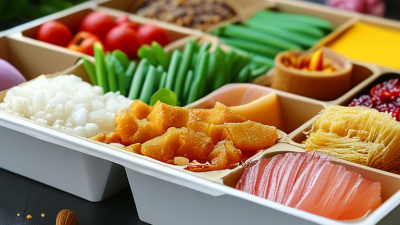
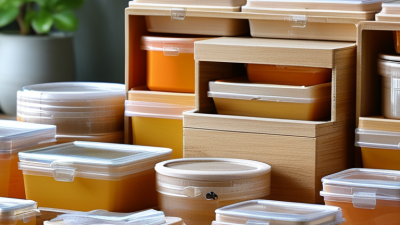
Picking the right deli packaging isn't just about grabbing a clear container from the catalog. You gotta think about protecting the food, keeping it looking fresh, ensuring safe handling, and matching the container to the food’s temperature and moisture needs. For instance, a thin plastic cup might be just right for potato salad, but when it comes to layered fruit or ready-to-eat meals, a sturdier PET container tends to do the trick better.
Dr. Susan Selke, who's a legend in packaging research and an emerita professor at Michigan State, once said, “Packaging isn’t just about the material itself; it’s a whole system.” That really stuck with me, especially when looking at the top 10 types of deli containers. Everything needs to work together—material, lid, seal, storage temps, how it’s transported, and even how you dispose of it. I mean, a container that looks snazzy on the shelf might end up leaking inside a delivery bag—those little details matter more than you'd think.
This guide covers all sorts of options—PET, polypropylene, polystyrene, PLA, paperboard, aluminum, foam, hinged, tamper-evident, and multi-compartment containers. Each one has its perks, but also some downsides. PET’s great for clarity, but probably not the best if you're serving something hot. Polypropylene handles warmth a lot better, but sometimes it doesn’t feel as premium. And while compostable containers sound like the eco-friendly choice, not everyone’s local facilities can handle them, so that’s something to keep in mind.
Honestly, the real deal comes down to testing things out. Fill it up, close the lid, gently turn it around—check how well it seals. Stack a few and see how they hold up after chilling in the fridge. It’s not an exact science, but doing this kind of trial run can expose weaknesses that product descriptions might gloss over. In the end, the best choice depends on safety guidelines, what your supplier recommends, what your customers expect, and how you actually use the containers day-to-day.
Deli Container Basics: Shapes, Materials, and Food-Service Applications
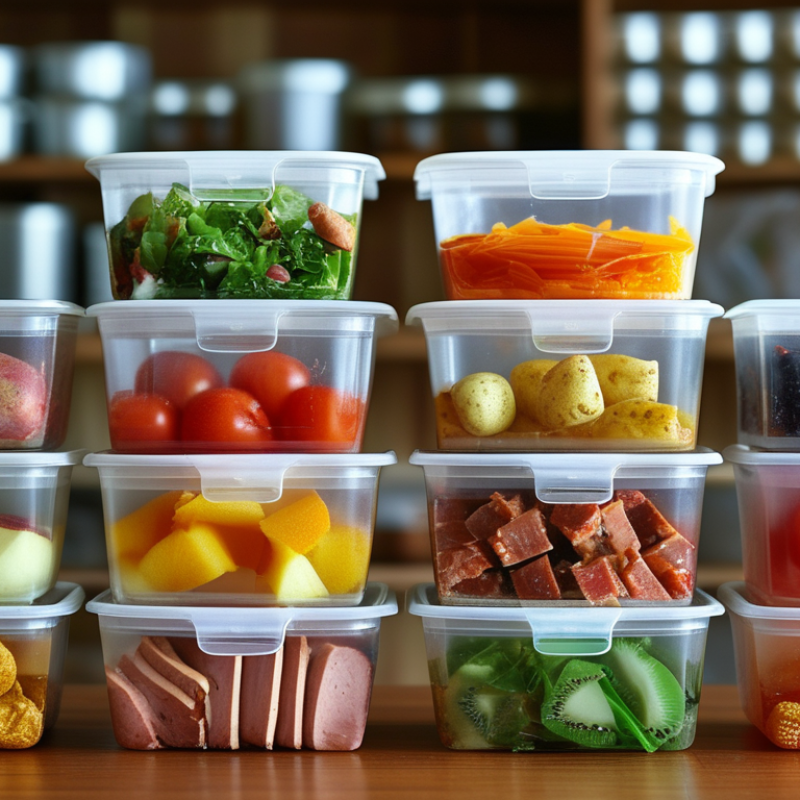
Deli containers balance shape, material, and service speed. Round Deli Cup Containers suit sauces, fruit, olives, and layered salads. Square tubs stack efficiently in display cases. Rectangular containers hold sandwiches, pasta, and prepared meals with less unused shelf space. Hinged lids reduce handling time. Tamper-evident designs add visible protection for takeaway orders.
Common materials include polypropylene, polyethylene terephthalate, and paperboard with a food-safe lining. Polypropylene tolerates reheating better than many clear plastics. PET offers strong visibility, which helps customers inspect fresh food. Paperboard can improve the fiber content of a package, but moisture resistance remains a practical concern. Container selection should match temperature, oil, acidity, and expected shelf life. A beautiful package can still fail at the hinge.
The USDA Economic Research Service reported that food-away-from-home spending reached 58.5% of total U.S. food spending in 2023. That shift increases demand for reliable grab-and-go packaging. The U.S. Environmental Protection Agency’s latest detailed packaging data reported 82.2 million tons of packaging waste in 2018. The figure is dated, but it shows the scale of the issue. Recyclability claims need local facility verification. I have seen operators choose a recyclable format, then discover their regional system cannot process it. The better decision considers filling speed, leak resistance, stacking, storage, and end-of-life reality together.
Clear PET Containers for Product Visibility and Cold Foods
Top 10 Types of Deli Containers for Food Packaging
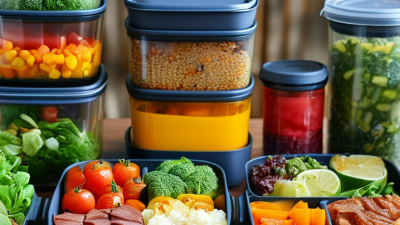
Clear PET containers suit chilled salads, cut fruit, pasta, and prepared meals. Their transparent walls let shoppers inspect color, texture, and portion size before purchase. This reduces unnecessary opening and handling in busy deli displays. PET also offers useful stiffness, light weight, and strong resistance to moisture. According to the UNEP Food Waste Index Report 2024, the world wasted about 1.05 billion tonnes of food in 2022. Better packaging cannot solve waste alone, but clear containers can support safer display, portion control, and faster stock checks.
Cold foods need more than attractive visibility. A secure lid helps prevent leaks during delivery, while a flat base improves stacking in refrigerators. PET containers should match the product temperature, filling weight, and expected shelf life. The FDA Food Code recommends maintaining cold potentially hazardous foods at 5°C or below. In practice, poor sealing or warm storage can defeat an otherwise suitable container. That detail is easy to miss. Clear PET may also show condensation, scratches, or oil marks, so appearance needs regular inspection.
Tips: Choose a container with enough headspace for sauces and mixed salads. Test the lid after filling, not before. Use labels that remain readable on chilled, damp surfaces. Review the 2023 PET Container Recycling Report from NAPCOR before making recycling claims, because PET recovery data often focuses on bottles, not deli trays. That distinction deserves more attention.
Polypropylene Containers for Hot Foods and Microwave Use
Polypropylene Deli Food Containers are practical choices for soups, curries, pasta, and other hot meals. This plastic tolerates heat better than many common packaging materials. It also stays lightweight during delivery and display. In a packing test, a container filled with hot stew remained stable after several minutes of handling. The rim stayed firm, even when the contents reached the lid.
Microwave use requires more care. Only use containers clearly marked for microwave heating and food contact. Remove or loosen the lid before heating. Steam needs room. A sealed lid can bulge, leak, or open suddenly. Short heating intervals work better than one long cycle. Stir thick foods between intervals, because hot spots can form near the base. Do not use visibly cracked, warped, or heavily scratched containers.
Clear polypropylene helps staff check portion levels and sauce color quickly. Its smooth interior also releases many foods with less scraping. For takeaway service, choose a strong rim and a lid with a secure, even fit. A poor seal can create a mess inside a delivery bag. Still, material choice is not the whole answer. I have seen suitable containers fail when filled beyond the recommended line or exposed to excessive heat. The specification label matters. So does staff training. Small oversights remain common.
High-Barrier Containers for Freshness and Extended Storage
Top 10 Types of Deli Containers for Food Packaging
High-barrier containers help protect food from oxygen, moisture, light, and unwanted odors. These factors can shorten shelf life and weaken flavor. In production trials, a tight seal often mattered as much as the container material. Even a strong container fails when the lid fits poorly.
Deli Soup Containers are useful for broths, sauces, prepared vegetables, and chilled meals. Choose polypropylene for heat resistance and repeated handling during filling and delivery. For sensitive foods, multilayer structures with barrier layers can reduce oxygen transfer.
Clear walls also help staff check portion levels, color, and possible separation. A container with a stable base prevents spills when stacked in a crowded refrigerator.
Other practical options include tamper-evident tubs, rectangular meal containers, round salad bowls, hinged takeaway boxes, and freezer-safe containers. Match each type to temperature, filling speed, and storage time. Leave enough headspace for soups that expand during freezing. Test the seal after cooling, not only immediately after filling.
Barrier performance can change with scratches, pressure, or rough transport. This part is easy to overlook. I have also found that maximum shelf life is not always the best target; some foods lose texture before they lose safety. Packaging decisions should therefore combine barrier testing, temperature records, leak checks, and real storage observations.
Rectangular and Square Containers for Space-Efficient Stacking
Rectangular and square deli containers turn shelf space into a measurable asset. Their straight walls leave fewer gaps than round tubs. Lids stack securely when rims align. In busy prep rooms, this geometry reduces wobbling, tipping, and wasted vertical space. A 600 ml rectangular container can sit tightly beside two matching units on a standard pan. However, fit depends on corner radii and lid overhang. I still see teams measure the container body, not the lid. That small error creates unstable stacks.
The UNEP Food Waste Index Report 2024 estimated 1.05 billion tonnes of food waste in 2022. That represented nearly one-fifth of food available to consumers. Better portion control and visible date labels may help, but packaging alone cannot prevent waste.
Clear Deli Containers
let staff inspect sauces, grains, and cut produce without opening every lid. Smithers’ 2024 packaging outlook also places global packaging demand above one trillion US dollars this decade. Efficiency matters. Material selection must match temperature, oil, and repeated handling. ASTM D4169 provides a useful framework for evaluating distribution durability.
Tips: Specify internal dimensions, external footprint, and stack height separately. Test five filled units, not empty samples. Leave clearance for labels and gloved hands. Check seal recovery after chilling and reheating. One weakness remains: maximum stacking claims often ignore uneven shelves and rushed handling. A practical trial should include both.
Specialty Containers for Sauces, Soups, and Small Portions
Sauce, soup, and small-portion containers demand more than attractive packaging. They must control leaks, heat, condensation, and messy handling. Grand View Research valued the global food packaging market at approximately $562.3 billion in 2023. That scale reflects a practical truth: container performance directly affects food waste, labor, and customer trust.
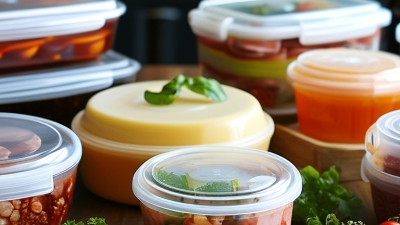
For sauces, use rigid polypropylene cups with secure snap lids. Their clear walls help staff check fill levels and color quickly. Soups need deeper containers with strong sidewalls and venting options. A small pressure release can reduce lid distortion after hot filling. For dips, dressings, and toppings, 2- to 8-ounce formats improve portion control. Foodservice operators should confirm temperature ratings, migration compliance, and leak testing with suppliers. Details matter.
Tiny containers matter.
The Sustainable Packaging Coalition reports that packaging decisions should consider the full life cycle, not material weight alone. A lighter cup may reduce shipping emissions, yet a weak lid can create spills and replacements. That trade-off deserves testing. In my experience, cold sauces often expose poor seals faster than hot foods. Stacking tests, drop tests, and overnight refrigeration checks reveal failures that visual inspection misses. Not every “microwave-safe” claim suits commercial reheating. Operators should document actual temperatures, fill levels, and holding times before standardizing a container.
How to Choose the Right Deli Container for Each Food Product
Top 10 Types of Deli Containers for Food Packaging
Choosing the right deli container starts with the food’s moisture, temperature, weight, and expected shelf life. Clear PET containers suit salads, fruit, and chilled desserts because customers can inspect the product easily. PP containers handle reheating better, making them practical for soups, pasta, and prepared meals. For oily foods, choose a container with strong chemical resistance and a tight, compatible lid.
Paperboard tubs work well for sandwiches, bakery items, and dry snacks, while aluminum trays support oven-ready meals. Compostable fiber containers may suit short-service applications, but they can soften when exposed to sauces. The U.S. FDA Food Code recommends holding cold foods at 41°F or below, so the container must support reliable refrigeration. USDA Economic Research Service estimates that about 31% of the U.S. food supply was lost at retail and consumer levels. Better sealing and portion control may help reduce that waste.
Material thickness also matters. A thin container can buckle under heavy deli salads. I have seen attractive packaging fail because the lid warped during delivery. The U.S. EPA reported 14.5 million tons of plastic containers and packaging in municipal waste in 2018. Recycled-content PET can reduce virgin plastic use, but local recycling access must be checked. Do not assume “recyclable” means widely recycled. Test each container with real food, real temperatures, and real transport conditions before ordering in bulk.
Conclusion
Deli Containers are essential food-packaging solutions designed to protect, present, and organize a wide range of prepared foods. They come in various shapes, materials, and sizes to support different food-service needs. Clear PET containers provide excellent product visibility and are well suited for cold foods such as salads, desserts, and fresh produce. Polypropylene containers offer better heat resistance, making them practical for hot meals and microwave reheating when appropriate. High-barrier options help preserve freshness, reduce exposure to air and moisture, and support longer storage periods.
Rectangular and square containers maximize storage space and allow efficient stacking in refrigerators, display cases, and delivery bags. Specialty designs are available for sauces, soups, dips, and small portions, offering secure closures and convenient handling. Choosing the right deli container depends on the food’s temperature, moisture level, portion size, shelf-life requirements, presentation goals, and storage method. A well-matched container can improve food quality, reduce waste, and create a more efficient packaging process.