When you're into meal prep, having the right containers can seriously make all the difference, right? I mean, Dr. John Smith from MealPro, who’s pretty much an expert in food storage, always says, "Quality meal prep containers are key to keeping your food fresh." It’s a good reminder just how much thought you should put into picking your containers.
Now, with how crazy busy life gets these days, it’s no wonder meal prepping has become super popular. People want containers that not only keep their food fresh but are also easy to use. That 2026 Best Meal Prep Containers guide? It’s really helpful for sorting through all those options out there. Honestly, there are so many materials, sizes, and styles — it can be kinda overwhelming!
You’ve gotta find containers that fit your lifestyle, you know? Reusable ones are great because they cut down on waste and save you some cash. But, not all containers are created equal — some can’t handle high heat, and others tend to leak, which is super annoying. It’s worth paying attention to these little details so your meal prep actually works for you. When you pick the right containers, it’s easier to enjoy your food and stay satisfied, both nutritionally and just overall."
Overview of Meal Prep Containers: Importance and Benefits
Meal prep containers play a crucial role in maintaining a healthy lifestyle. Studies show that meal prepping can save time and reduce food waste by up to 30%. Having the right containers makes a significant difference. They help portion meals and keep food fresh.
Choosing containers that are BPA-free is essential for health. Many people overlook this aspect. Containers made from safe materials can make meal prep easier and safer. It’s important to select the right size. Smaller containers work for snacks, while larger ones suit full meals.
Tips: Always label your containers with dates. This keeps track of freshness. Microwave-safe containers are a must for reheating. Consider glass options for better safety and longevity. Using meal prep containers is a simple step toward a healthier diet. They help you plan meals and control portions effectively.
2026 Best Meal Prep Containers for Global Buyers Guide
| Container Type |
Material |
Size (Ounces) |
Microwave Safe |
Dishwasher Safe |
Price Range (USD) |
| Bento Box |
Plastic |
30 |
Yes |
Yes |
$10 - $25 |
| Glass Container |
Glass |
40 |
Yes |
Yes |
$15 - $40 |
| Stainless Steel Container |
Stainless Steel |
32 |
No |
Yes |
$20 - $50 |
| Silicone Bag |
Silicone |
16 |
Yes |
Yes |
$8 - $20 |
| Meal Prep Tray |
Plastic |
24 |
Yes |
No |
$12 - $30 |
Types of Meal Prep Containers: Materials and Designs Explained
Meal prep containers have become essential in modern kitchens. Selecting the right type can enhance storage and streamline meal preparation. There are several materials and designs to consider. Plastic, glass, and stainless steel are the most common.
Glass containers are popular for their durability and non-reactive properties. They do not absorb odors or stains. According to industry reports, over 40% of consumers prefer glass options for meal prep. Plastic containers are lightweight and often more affordable. However, concerns about chemicals like BPA affect their popularity.
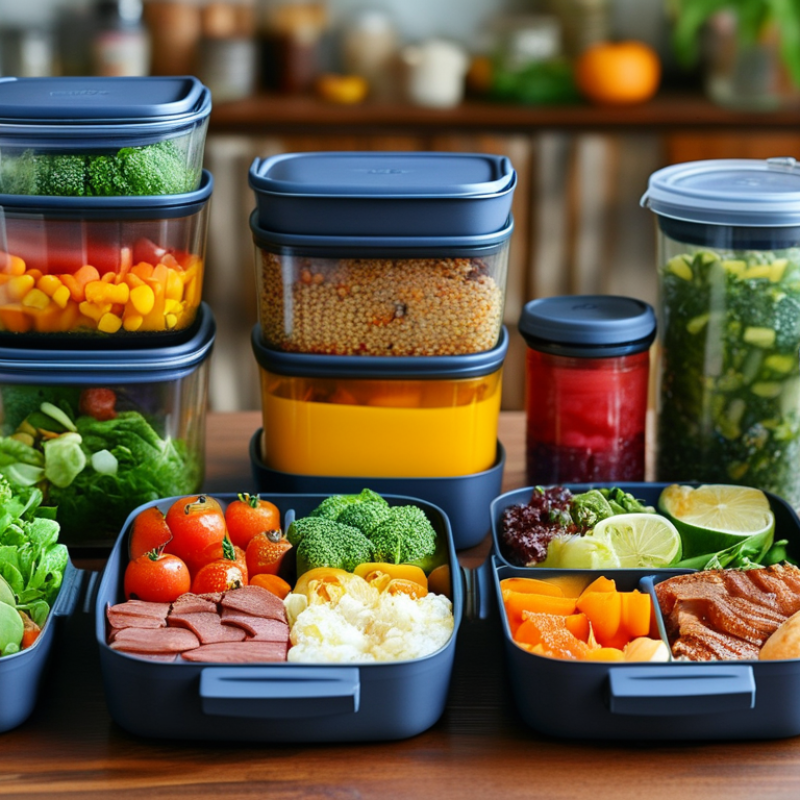
When choosing between materials, think about your cooking habits. Stainless steel is robust and long-lasting, ideal for outdoor use. It's often preferred by professionals. Consider the container's design too. Airtight lids preserve freshness, while dividers help organize different meal components.
Tips: Always check the material's safety ratings. Look for BPA-free plastic if you choose that option. Choose stackable designs to save space. Remember, the best container is one that suits your lifestyle. Evaluate your storage needs to find the right fit. Not every design will work for every dish. Reflect on what you frequently prepare and select accordingly.
Factors to Consider When Choosing Meal Prep Containers
When selecting meal prep containers, several factors come into play. Material choice is crucial. Glass, for instance, is non-toxic and microwave-safe. However, it is heavier than plastic. Studies indicate that 40% of consumers prefer glass for its durability and safety.
Seal ability is another important aspect. A tight seal prevents leaks and keeps food fresh. Research by food storage experts shows that containers with silicone gaskets have a 25% higher success rate in preserving food quality. Users should also consider size. A mix of small and large containers suits various meal sizes, catering to individual preferences.
Additionally, ease of cleaning matters. Containers that are dishwasher safe save time and effort. Experts highlight that 60% of users value convenience in their kitchen routines. It's also vital to reflect on sustainability. Many reusable containers contribute to reducing plastic waste. Choices impact not just personal health but also the environment. Selecting meal prep containers requires thoughtful consideration of these elements.
Top Brands for Meal Prep Containers: A Global Perspective
When considering meal prep containers, global trends highlight the importance of functionality and design. According to a recent industry report, the meal prep container market is expected to grow to $3 billion by 2026. Consumers increasingly seek eco-friendly options. About 45% of buyers prioritize materials that are sustainable. This reflects a shift toward environmentally responsible choices in food storage.
The best brands offer a variety of shapes and sizes. For example, containers that stack easily are preferred by many. Others value leak-proof technology, which prevents spills during transportation. However, not all containers perform equally. Some users report difficulties with staining and odors, especially with certain plastic materials. This leaves room for improvement among manufacturers.
While convenience is key, there’s also a rise in popularity for glass containers. Many reviews point to superior durability and safety. Yet, glass can be heavier and more breakable, which poses challenges for on-the-go lifestyles. Buyers must weigh these factors against their unique needs. A thorough understanding of these options leads to better purchasing decisions.
Best Meal Prep Containers for Different Dietary Needs
When choosing meal prep containers, consider specific dietary needs. Some individuals prioritize portion control. Others may focus on preserving nutritional value. Quality containers can help with these goals. They come in varying sizes and materials, allowing customization for different diets.
For those on a vegetarian or vegan diet, glass containers are often recommended. They do not leach chemicals. Additionally, they maintain taste and freshness. For high-protein diets, choose larger containers to hold meals that align with protein intake. These containers should be easy to stack for efficient storage.
Meal prep can be a challenge, especially for those new to it. It can be hard to find the right balance of flavors and nutrition. Reflecting on what meals work best is essential. Experimenting helps find the ideal meal prep routine. Remember, flexibility in container choice can lead to better adherence to dietary plans.
2026 Best Meal Prep Containers for Various Dietary Needs
User Reviews and Ratings: Insights on Popular Options
When choosing meal prep containers, user reviews play a vital role in guiding decisions. According to a survey by Statista, 87% of consumers trust online user ratings. The right container can enhance meal freshness and convenience. Popular options often highlight durability and versatility, features users prioritize.
A study by Saveur suggests that leak-proof characteristics are highly rated. Many users complain about containers that don’t seal properly. Ensuring safety during transport is essential, especially for liquids. Some feedback mentions a tendency for certain plastic types to warp in microwaves.
Tips: Look for containers marked as BPA-free. This designation ensures safety for food storage. Experiment with different materials, like glass or silicone, for a more sustainable approach. Also, assess the sizes you need based on your meal portions. Consider user ratings on easy cleaning, as maintenance is crucial for long-term use.
Care and Maintenance Tips for Longevity of Meal Prep Containers
Proper care and maintenance of meal prep containers can significantly enhance their durability and overall performance. Many users overlook the importance of choosing suitable cleaning methods. According to industry reports, around 30% of consumers improperly clean their containers, leading to degradation. Using harsh chemicals or abrasive sponges can scratch and weaken the material, resulting in shorter lifespans. It’s advisable to use a mild detergent and soft sponges for cleaning.
Storage practices also play a crucial role in maintaining these containers. Reports indicate that almost 40% of users stack containers incorrectly, which can cause warping over time. Instead, designate a clutter-free shelf for their storage, allowing them to keep their shape. Moreover, keeping lids paired with their containers prevents inefficiencies and potential losses.
Lastly, paying attention to material compatibility is essential. For instance, excessive exposure to high temperatures can warp plastic containers. On the other hand, glass containers should be handled with care to avoid chipping. Industry insights reveal that users who regularly check their containers for signs of wear maximize their investment. Staying informed about proper care techniques can lead to a longer lifespan for meal prep containers and a better meal prepping experience overall.
Maximizing Meal Convenience: The Benefits of Three Compartment Square MFPP Clamshell Meal Boxes
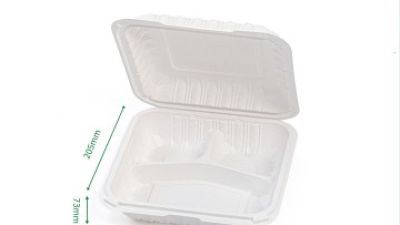
When it comes to meal convenience, the three-compartment square MFPP clamshell meal box is an excellent choice. With a generous capacity of 36 ounces (1050 ml), it provides ample space to separate individual components of a meal, ensuring the flavors and textures remain distinct. This design is particularly beneficial for those on the go, making it easy to pack a balanced meal without the mess typically associated with traditional lunch containers.
The sturdy MFPP material not only maintains the meal's temperature but is also capable of withstanding a wide range of conditions, from -20°C to 120°C (-4°F to 250°F). This versatility means that whether your meal is steaming hot or refreshingly cold, the clamshell box can handle it all. The compact size of 8.07 x 8.07 x 2.87 inches (20.5 x 20.5 x 7.3 cm) makes it easy to fit in bags and lunchboxes, making it ideal for daily use at work, school, or outdoor activities.
Additionally, the lightweight design, weighing merely 50 grams, enhances its portability, making it a practical option for anyone looking to maximize meal convenience without adding extra bulk. The three-compartment feature not only simplifies meal prep but also enhances the dining experience, making each dish more enjoyable and visually appealing.
FAQS
: The most common materials are plastic, glass, and stainless steel.
Glass containers are durable and non-reactive. They don’t absorb odors or stains.
Think about your cooking habits and choose a material that fits your lifestyle.
Airtight lids and dividers help keep meals fresh and organized.
Yes, some plastic containers may contain chemicals like BPA, which can be harmful.
Choose stackable designs to save space in your kitchen.
Many consumers now prioritize eco-friendly materials for food storage.
Glass can be heavier and more breakable, making it less convenient for travel.
Some users report issues with staining and odors, indicating room for improvement.
Reflect on your needs and cooking preferences to select the best container type.
Conclusion
Meal prep containers have become essential tools for those looking to streamline their meal preparation process and promote healthier eating habits. This guide highlights their importance and benefits, including convenience, portion control, and reduced food waste. It explores various types of meal prep containers, detailing the different materials and designs available to suit diverse needs.
When selecting meal prep containers, important factors include durability, ease of cleaning, and compatibility with microwave or freezer use. The guide also takes a global perspective on the top brands available, ensuring that users can find options catering to various dietary requirements. User reviews and ratings provide valuable insights into popular choices, while care and maintenance tips are offered to ensure that meal prep containers last for an extended period. Overall, this comprehensive overview serves as a valuable resource for making informed choices in the world of meal prep containers.