You know, in the fast-changing world of food packaging, everyone’s really craving solutions that cover all bases. I mean, it's no surprise—industry experts like John Zhang, the CEO over at GreenPack Solutions, keep talking about this idea of a "One-Stop Food Packaging Solution." He mentions that having everything in one place not only makes supply chains smoother, but it also boosts food safety standards. That’s a pretty big deal these days, and it really shows where the industry’s heading.
Today, folks around the world want things to be simple and reliable—whether it’s about getting quality stuff quickly or making sure everything's safe. This all-in-one approach connects manufacturers with cutting-edge materials, smart designs, and streamlined logistics. Honestly, it helps companies cut costs and make a bigger splash in the market at the same time.
Of course, one tricky part is finding the right balance between customizing solutions for specific needs and sticking to standardized options. Sometimes, what works for one buyer might not hit the mark for another. That’s why industries need to keep listening, learning, and tweaking their approaches. The key is to stay flexible and responsive to feedback—only then can we really nail an effective food packaging system that fits everyone’s needs.
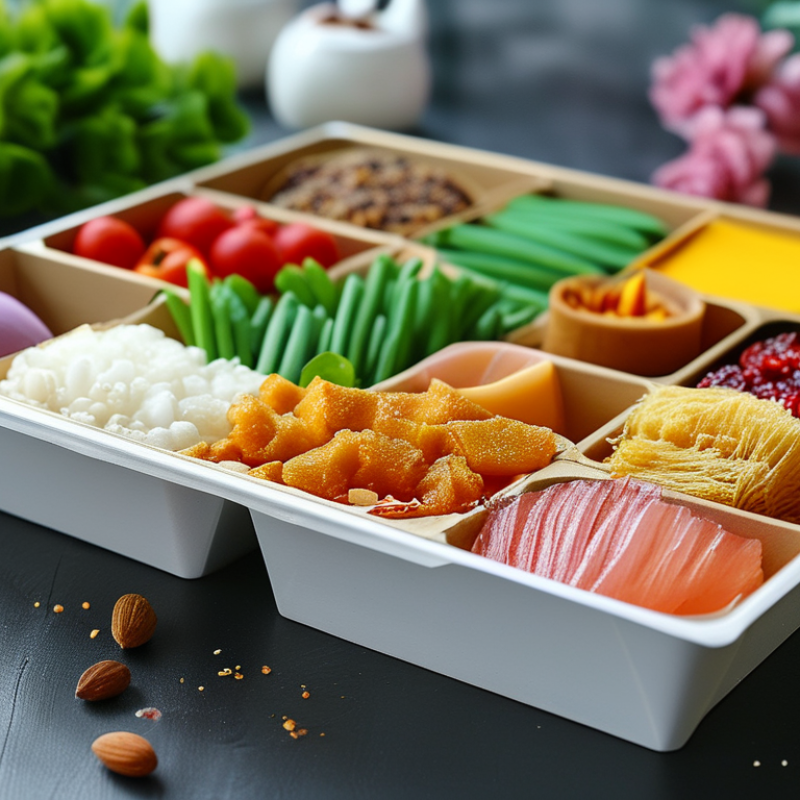
China's Role in Global Food Packaging Solutions
China has emerged as a pivotal player in global food packaging solutions. The country’s robust manufacturing capabilities enable it to offer a wide variety of innovative and cost-effective options. From biodegradable materials to advanced sealing technologies, Chinese manufacturers are continuously evolving their practices. However, challenges remain, particularly in ensuring that all products meet international safety standards.
Food Safe Packaging is at the forefront of consumer priorities. Many buyers seek assurances that the packaging materials are non-toxic and sustainable. As a result, Chinese companies are investing heavily in research and development. They aim to enhance the safety profile of their products while still being cost-competitive. This dual focus on safety and cost is not only about meeting regulatory demands but also about building trust in the marketplace.
There are instances where quality control can falter. Some exporters may struggle with inconsistent production standards. This inconsistency can lead to concerns about the safety and reliability of food packaging. It is crucial for buyers to conduct thorough vetting processes. Collaborating with certified manufacturers can mitigate risks associated with packaging failures. The emphasis must remain on ensuring that food safe packaging effectively protects both the product and consumer health.
Overview of Food Packaging Industry in China
The food packaging industry in China has shown remarkable growth and resilience. According to a recent report, the market is projected to reach over $104 billion by 2025, driven by increasing demand for packaged foods. This growth is significant, as it reflects changes in consumer preferences towards convenience. Moreover, innovations in materials and technology are transforming traditional food packaging methods.
Food Packaging Trays play a crucial role in this sector. They protect food products, extending shelf life while ensuring food safety. A survey indicated that nearly 70% of consumers prioritize packaging features like resealability and ease of use. However, the industry faces challenges. The sustainability of packaging materials is a growing concern. Many companies are under pressure to adopt eco-friendly practices. Despite progress, only a small percentage currently use biodegradable materials.
The rapid expansion of e-commerce has also impacted food packaging. Traditionally, products were packed with minimal protection. Now, e-commerce demands more robust packaging solutions. The industry must adapt quickly to new logistical challenges. While innovation thrives, not all companies keep pace. Those that fail to evolve may struggle to meet consumer expectations.
Overview of Food Packaging Industry in China
Key Players in China's Food Packaging Market
China is a significant player in the global food packaging market. With a rapid increase in industrial capabilities, numerous companies compete here. These firms range from large manufacturers to innovative startups. They provide various options, like flexible packaging and eco-friendly materials.
Many local players emphasize quality and sustainability. This approach ensures they meet global standards. However, some still struggle with quality consistency. The need for better quality control remains a challenge in this diverse market.
Moreover, technology integration plays a crucial role. Many companies invest in automation and smart packaging solutions. This trend enhances efficiency, but some companies lag behind. Continued investment in technology is essential for growth. Overall, the Chinese food packaging market shows promise and potential, driven by key players and evolving consumer preferences.
Innovative Technologies in Food Packaging
In recent years, innovative technologies in food packaging have transformed the industry. The focus has shifted towards sustainability and efficiency. New materials like biodegradable plastics are gaining traction. These materials reduce waste and environmental impact significantly. Smart packaging technology is also on the rise. It can monitor freshness and inform consumers about product statuses.
Choosing the right packaging can be challenging. Here are some tips to consider:
- Look for materials that are eco-friendly.
- Assess the shelf life requirements of your products.
As technology advances, packaging designs now include features like tamper-evidence and resealability. These enhance consumer safety and convenience. However, challenges remain, such as balancing cost with innovation.
Many buyers struggle to find reliable suppliers. Understanding the technological landscape is crucial. Staying informed about trends can help make better choices. Always seek feedback from users. This will lead to improvements and positive changes in packaging solutions.
Sustainability Trends in Chinese Food Packaging
Sustainability is transforming the food packaging industry in China. Recent reports show that over 70% of consumers prefer sustainable packaging. This trend reflects a growing awareness of environmental issues. As a result, manufacturers are revisiting their packaging strategies.
Data from industry studies indicates that biodegradable materials are gaining traction. The market for eco-friendly food packaging solutions is projected to grow by over 15% annually. This shift creates a demand for innovative Food Packaging Boxes that minimize waste. However, challenges remain. Many companies struggle to balance sustainability with durability and cost.
The recycling rate for food packaging in China is still below 30%. There is a significant need for improvement. While manufacturers are implementing greener practices, they must also prioritize effective recycling systems. Without this, the goals of sustainability remain elusive. In a dynamic market, continuous adaptation is essential for success. Firms that invest in sustainable methods will likely gain a competitive edge.
Benefits of Sourcing Food Packaging from China
Sourcing food packaging from China offers notable benefits for global buyers. The country possesses a well-established manufacturing infrastructure. This allows for a wide variety of options, making it easier for businesses to find what they need.
Clear Food Packaging is especially popular. It enhances visibility, helping customers to see the product inside. This can lead to increased sales and customer satisfaction.
China's competitive pricing is another advantage. Lower production costs do not mean lower quality. Many manufacturers prioritize quality control to meet international standards. However, challenges remain. Language barriers and different business practices can cause misunderstandings. Buyers must be cautious and ensure clear communication.
Additionally, sustainability is becoming increasingly important in food packaging. Chinese manufacturers are beginning to adopt eco-friendly practices. This shift can benefit both the environment and companies' reputations. Yet, it is essential for buyers to thoroughly research and choose partners who align with their values. Navigating these complexities requires diligence and a well-informed approach.
Challenges Faced by Global Buyers in Chinese Market
Global buyers often encounter several challenges when navigating the Chinese food packaging market.
One prominent issue is the language barrier. Many suppliers may not communicate effectively in English.
This can lead to misunderstandings and misinterpretations of product specifications.
Another significant challenge is quality control. With numerous suppliers available, ensuring product consistency can be tough.
Buyers may receive samples that look great but are not representative of bulk orders. This discrepancy can jeopardize business plans.
Tips: Always conduct thorough background checks on suppliers.
Verifying their reputation can save buyers from future headaches.
Consider visiting factories if possible. Personal assessments can provide insights that online interactions may miss.
Regulations in the Chinese market can also present obstacles. Food safety standards may differ from those in other countries.
Buyers must stay informed about these regulations to avoid compliance issues.
However, understanding local laws can be daunting for those unfamiliar with the landscape.
Tips: Consult with local experts who have experience in the food packaging sector.
Their insights can help navigate regulatory complexities effectively.
Engaging a local agent may also facilitate smoother transactions.
The Rising Demand for Sustainable Disposable Rectangular Plastic Lunch Boxes in the Food Packaging Industry: Insights from Recent Market Reports
The rising demand for sustainable packaging solutions in the food industry is significantly shaping consumer preferences and market dynamics. Recent market reports indicate a strong shift towards eco-friendly disposable products, particularly in the context of lunch boxes and meal containers. As more consumers seek convenience without compromising environmental responsibility, the market for rectangular plastic lunch boxes made from sustainable materials is experiencing exponential growth.
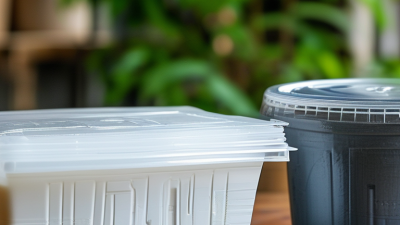
One notable product that embodies this trend is the HJ16 disposable rectangular lunch box. With a capacity of 16 ounces (550ml) and dimensions of 7.87 x 5.31 x 1.26 inches, this product caters to a diverse range of meal options while featuring a sturdy design. Available in clear lids with a choice of black or white bases, these lunch boxes not only meet the aesthetic and functional needs of consumers but also align with their values regarding sustainability. According to industry reports, the market for sustainable food packaging is projected to grow at a compound annual growth rate (CAGR) of over 5% through the next few years, highlighting an urgent need for products that resonate with environmentally-conscious customers.
Moreover, the packaging efficiency of products like the HJ16 further supports the push towards sustainability. Each carton contains 150 sets, with a shipping efficiency that allows up to 2519 cartons to fit in a 40HQ container. This optimizes transportation and minimizes the carbon footprint associated with logistics. As the food packaging industry evolves, incorporating innovative, sustainable solutions will be crucial for brands looking to thrive in a competitive landscape that increasingly prioritizes environmental stewardship.
FAQS
: The market is expected to exceed $104 billion by 2025 due to rising demand for packaged foods.
Food packaging protects products, extends shelf life, and ensures safety during consumption.
Around 70% of consumers prefer features like resealability and ease of use in packaging.
Sustainability of materials is a growing concern, with many companies under pressure to adopt eco-friendly practices.
E-commerce has increased demands for robust packaging solutions to protect products during shipping.
Biodegradable plastics and smart packaging technologies are gaining popularity for their eco-friendly benefits.
It's essential to look for eco-friendly materials and assess the shelf life requirements of the products.
Not all companies are adapting quickly, and those that don't may struggle to meet evolving consumer expectations.
Gathering user feedback can lead to critical improvements and more effective packaging designs.
Companies must balance the cost of materials with the need for innovation and sustainability.
Conclusion
China has emerged as a leading provider of One-Stop Food Packaging Solutions, catering to the needs of global buyers. The country's food packaging industry boasts a diverse array of innovative technologies, allowing manufacturers to meet the increasing demands for efficiency and sustainability. With a strong focus on eco-friendly practices, many Chinese companies are adopting sustainable trends that resonate with the growing consumer preference for environmentally responsible products.
While there are significant benefits to sourcing food packaging from China, such as cost-effectiveness and a wide selection of materials, global buyers also face challenges. Navigating operational complexities, quality control, and the nuances of local regulations can be daunting. Despite these obstacles, China's pivotal role in the global food packaging sector makes it an attractive option for businesses seeking comprehensive packaging solutions.