Leave Your Message
0%

Honestly, the Take Out Trays you pick can make or break your whole food business. I mean, think about it – that tray's doing a lot of heavy lifting: keeping the meal intact, surviving the delivery run, and quietly telling customers something about your brand. Grab the wrong one and you might end up with sauce leaking everywhere, trays going soggy from steam, or collapsing mid-stack. And trust me, customers notice that kind of thing right away.

David Luttenberger — he’s the Global Packaging Director over at Mintel — calls packaging ‘a silent salesperson.’ That idea really fits food service. Think about it: customers are judging the portion and presentation before they’ve even taken a single bite. A clean kraft tray can quietly suggest freshness. A clear lid? It lets the color and texture speak for itself. But looks can only take you so far. The material still needs to work for the food, the temperature, the delivery time, and how it all gets disposed of in the end.

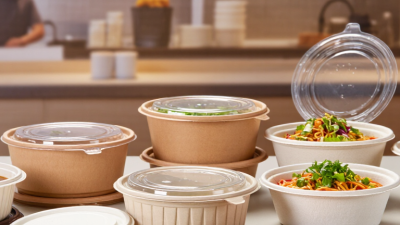
So here's the thing: don't test these trays in some ideal lab setup. Get out into the actual kitchen. Fill sample trays with hot rice, grilled veggies, or noodles that are dripping in sauce. Seal 'em, stack 'em, and send them on a real delivery run. Then look for the ugly stuff—leaks, warped corners, fogged lids, lids that refuse to open. Ask the team if these things slow them down during the rush. Ask customers if their food actually shows up in one piece. What they tell you might completely change your mind about which tray you liked at first. And honestly? That's a good thing.

Okay, so when you're weighing fiber, paperboard, plastic, or compostable options, it's worth really thinking it through. Every material has its pros and cons, you know? Compostable trays sound great, but they often need specific local processing facilities—so definitely check that. And recyclable trays aren't a free pass either; they still have to end up in the right collection stream. Before you buy, make sure you've confirmed the supplier's specs and any food-contact documentation. Don't just take their word for it if the marketing sounds nice.

Honestly, there's no such thing as the perfect tray. What you actually need is something practical — a good balance of protection, cost, branding, storage, and not wrecking the planet while you're at it. So how do you choose? This guide walks you through comparing Take Out Trays using real evidence, not just gut feelings or guesswork. And here's the thing: running a few small tests now can save you from a whole lot of customer complaints later.
How to Choose Take Out Trays for Your Business?

Understanding the Main Types of Takeout Trays

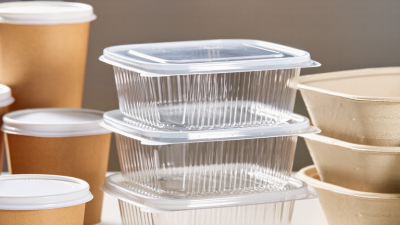
Take Out Food Trays come in several practical forms, and each suits a different menu. Hinged clamshells keep burgers, wraps, and sides together during short trips. Their attached lids are quick to close, though trapped steam can soften crisp coatings. A vent can help, but may let heat escape. Small detail.

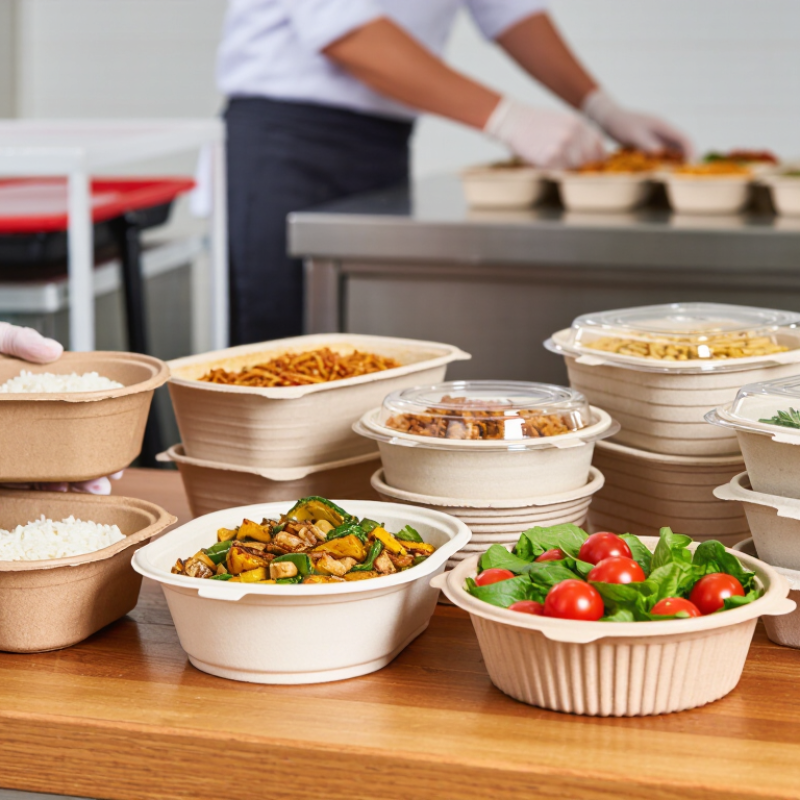
Compartment trays separate sauces, rice, and grilled items, helping keep flavors distinct. They work well for combination meals and portion control. Molded-fiber versions feel sturdy in the hand, but wet foods may weaken them over time. Paperboard trays are light and stack neatly; they need a suitable lining for oily or moist dishes. Not every tray suits every sauce.

Plastic trays are useful when visibility and leak resistance matter, especially for chilled meals. Check whether the lid seals firmly and whether the base flexes when lifted. Aluminum containers tolerate hot foods and can be used in suitable ovens, but not in microwaves. Worth testing. Fill a sample with soup or saucy noodles, then carry it in a delivery bag. A tray that feels strong on a counter may buckle under movement.

Matching Tray Materials to Your Menu

How to Choose Take Out Trays for Your Business?

Matching tray materials to your menu means thinking beyond price. Hot, saucy meals need sturdy trays that resist leaks and hold their shape during delivery. Fiber-based trays can suit sandwiches, fries, and other foods where a breathable container helps limit trapped steam. For soups or oily dishes, check the tray’s leak resistance with the actual portion size; a quick counter test may not reflect a bumpy ride.

Plastic Take Out Trays can work well for cold foods and meals needing clear separation, but confirm they are rated for your food’s temperature and intended use. The U.S. EPA’s 2018 materials report counted 82.2 million tons of containers and packaging—28.1% of U.S. municipal solid waste. That figure is a useful reminder to consider right-sizing trays and avoiding unnecessary compartments.

Tips: Pack a sample meal, close the tray, and leave it for 20 minutes. Check for softened corners, condensation, leaks, and food shifting. Match the test to your real service conditions. A tray that looks sturdy empty may sag under hot noodles. And honestly, testing every menu item can feel tedious—but skipping it can cost more in spills and replacements.

Choosing the Right Size, Shape, and Compartments

Choosing Carry Out Trays starts with portion size, not appearance. A small entrée needs a snug base to prevent sliding during delivery. Oversized trays create empty space, allowing sauces and garnishes to shift. Measure the tallest item before ordering. Fried foods also need room for airflow, or crisp textures quickly become soft.

Shape affects stacking, storage, and customer handling. Rectangular trays suit sandwiches, rice bowls, and meals with separate side portions. Round containers work better for soups, salads, and circular dishes. Compartments deserve careful testing. Two sections can protect vegetables from sauces, while three sections may reduce portion mixing. However, extra dividers increase material use and may limit larger servings. I have seen attractive layouts fail when lids press against toppings.

The National Restaurant Association’s 2024 State of the Restaurant Industry report projected U.S. restaurant sales above one trillion dollars. At that scale, small packaging choices can influence costs and customer experience. The U.S. Environmental Protection Agency reported that containers and packaging represented 28.1% of municipal solid waste generation in 2018. Right-sizing therefore matters beyond storage.

Test trays with real meals, stacked for 30 minutes, then carried across a parking lot. Check leaks, lid pressure, heat retention, and labeling space. My first trial would not be perfect. Some meals need deeper corners, while others need fewer compartments. Record those failures before placing a large order.

Checking Food Safety, Heat Resistance, and Leak Protection

Choosing Take Away Trays should start with food safety, not appearance. I inspect the material, lid fit, and intended food temperature before ordering. Use trays made for food contact and request supplier documentation when available. A clean, odor-free surface matters, especially for sauces and ready-to-eat meals. Check whether the tray suits oily, acidic, or salty foods. Follow applicable food-contact requirements in your market. A container that works for fries may fail with tomato stew.

Heat resistance needs practical testing. Fill a sample with hot soup and close the lid. Hold it as staff would during service. Watch for warping, soft corners, or steam forcing the lid open. Microwave use is a separate requirement. Never assume it is safe without clear guidance. Hot food can also create condensation, making labels loosen and hands slippery. Short transport trials reveal problems that product sheets may miss.

Leak protection depends on design and handling. A tight rim, stable base, and secure lid reduce spills, but no tray stays leak-proof in every position. I test filled trays on a gentle tilt, then place them in delivery bags with other containers. This exposes weak seals and stacking pressure. Still, one trial is not enough. Repeat testing with cold, hot, thick, and watery foods. Staff feedback deserves attention, because real service is messier than a controlled sample.

Considering Storage, Transport, and Customer Convenience

How to Choose Take Out Trays for Your Business?

Considering Storage, Transport, and Customer Convenience

A tray can look sturdy on a shelf and still buckle when loaded with hot food. Test it with your usual portions, including sauces and heavier sides. Check whether the lid stays secure when the container is tilted gently. A small leak can turn a customer’s commute into a frustrating mess. Not ideal. For meals with separate components, compartments may help keep crisp items away from gravy, though they can take up more storage space.

Storage matters before the lunch rush, too. Compare tray dimensions with your shelves, delivery bags, and the area where staff assemble orders. Nesting trays can save room, but tightly stacked containers may be awkward to separate with damp or gloved hands. Try opening a sleeve during a busy shift. It is a simple test, but easy to overlook. Consider how trays handle heat and condensation; steam trapped under a lid can soften fried foods. Customers also value trays that open without a struggle and sit steadily on a lap or small table. No tray solves every problem. Ask staff what spills or slows packing, then test a few options with real menu items before ordering in bulk.

Comparing Cost, Sustainability, and Supplier Options

Choosing take-out trays starts with the full cost, not the unit price. A cheap tray can become expensive after lids, freight, storage, and spoilage are included. The U.S. Environmental Protection Agency reported that containers and packaging generated 82.2 million tons of municipal solid waste in 2018. That figure makes material selection a purchasing decision, not merely a kitchen detail. Compare polypropylene, molded fiber, and recycled-content options using cost per packed meal.

Sustainability claims need careful checking. The OECD reported 353 million tonnes of plastic waste globally in 2019, while only a limited share was recycled. A compostable tray may perform poorly where commercial composting is unavailable. Ask suppliers for certification, recycled-content percentages, food-contact documentation, and disposal guidance. Test each tray with hot soup, oily noodles, and a 30-minute delivery route. Small leaks create real costs. They also damage customer trust.

Supplier choice affects resilience. Request samples from at least three suppliers, then compare minimum order quantities, production lead times, tooling fees, and replacement policies. A local supplier may reduce freight emissions and emergency delays, but its material price may be higher. An overseas supplier may offer scale, yet require more inventory and stronger quality controls. Some estimates will be wrong. Recheck them quarterly against actual breakage, delivery complaints, and storage space. A spreadsheet is useful, but the packed meal is the final test.

How to Choose Take Out Trays for Your Business? - Comparing Cost, Sustainability, and Supplier Options
Tray Material Typical Wholesale Cost per Tray* Heat and Leak Performance Sustainability Profile End-of-Life Requirements Supplier Availability Typical MOQ Typical Lead Time Best Fit
Virgin Polypropylene (PP) $0.08–$0.22 Excellent heat resistance; suitable for hot, oily, and moist foods. Many formats are microwave-safe when labeled accordingly. Durable and lightweight, but made from fossil-based plastic. Recyclability depends on local collection and sorting systems. Clean, accepted in local rigid-plastic recycling programs where available. Very broad Low to medium 2–6 weeks for standard stock items High-volume operations prioritizing low cost and reliable performance.
Recycled Polypropylene (rPP) $0.10–$0.28 Very good performance; food-contact suitability depends on the recycled resin and applicable regulations. Uses post-consumer or post-industrial plastic and can reduce demand for virgin resin. Recyclability is generally similar to PP. Clean and accepted in local rigid-plastic recycling programs where available. Broad Medium 3–8 weeks Businesses seeking recycled content without changing the tray format.
Molded Fiber from Bagasse or Other Plant Fiber $0.12–$0.35 Good for hot foods; grease and moisture resistance varies by coating and product design. Made from renewable fiber sources. Some products are compostable, but coatings and additives must be checked. Commercial composting is often required; acceptance varies by facility and region. Broad Medium 4–10 weeks Restaurants and caterers seeking fiber-based packaging and a plastic-free presentation.
Paperboard with Water- or Grease-Resistant Coating $0.10–$0.30 Good for dry and moderately moist foods. Performance depends strongly on the coating and construction. Efficient to transport and commonly made with renewable fiber. Plastic or chemical coatings may affect recycling or composting. Paper recycling is possible when accepted locally and when food contamination is limited; coated products require verification. Very broad Low to medium 2–8 weeks Takeaway meals, bakery products, and applications where branding or printability is important.
Polylactic Acid (PLA) $0.16–$0.40 Suitable mainly for cool or room-temperature foods. Heat resistance is lower than PP unless a heat-resistant grade is used. Bio-based plastic typically made from plant-derived feedstocks. It is not biodegradable in normal outdoor conditions. Usually requires an industrial composting facility; often unsuitable for conventional plastic recycling streams. Moderate Medium to high 4–10 weeks Cold foods, salads, desserts, and businesses with access to industrial composting.
Aluminum $0.15–$0.45 Excellent heat resistance and strong barrier performance. Suitable for baking, reheating, and oily foods when properly specified. Highly recyclable and retains material value, although primary aluminum production is energy-intensive. Empty and clean before recycling; local recycling acceptance should be confirmed. Broad Low to medium 2–6 weeks for standard formats Oven-ready meals, catering, roasting, and applications requiring strong heat performance.

*Indicative wholesale ranges in U.S. dollars for standard, unprinted trays purchased in bulk. Actual prices vary by size, depth, lid type, coating, recycled content, order volume, freight, region, certifications, and customization. Confirm food-contact compliance, microwave or oven-use instructions, minimum order quantities, and local recycling or composting acceptance before purchasing.

FAQS

What type of tray suits burgers and wraps?

Hinged clamshells keep burgers, wraps, and side dishes together during short deliveries. They close quickly. However, trapped steam may soften crispy coatings. Small vents can help, but heat may escape.

When should I use a compartment tray?

Use compartment trays for combination meals with rice, sauces, and grilled foods. Separate sections protect flavors and support portion control. Wet foods may weaken molded-fiber trays over time.

Are paperboard trays suitable for oily meals?

Paperboard trays are lightweight and stack neatly. They need a suitable lining for oily or moist foods. A sauce test is necessary. Not every lining performs well.

When are plastic trays useful?

Plastic trays help when visibility and leak resistance matter. They suit chilled meals especially well. Check the lid seal and base flexibility before regular use.

Can aluminum containers hold hot food?

Aluminum containers tolerate hot foods and may suit approved ovens. Do not use them in microwaves. Test the container with soup before choosing it.

How can I test a tray before ordering?

Fill a sample with soup or saucy noodles. Carry it through a delivery bag for 30 minutes. Check leaks, lid movement, soft spots, and bending. Counter strength can mislead.

How should the total tray cost be calculated?

Calculate the cost per packed meal, not only the tray price. Include lids, freight, storage, spoilage, and possible replacement costs. A cheap tray may become expensive.

How should sustainability claims be checked?

Request certification, recycled-content percentages, food-contact documents, and disposal instructions. Compostable materials may fail where commercial composting is unavailable. The green label alone proves little.

How should suppliers be compared?

Request samples from at least three suppliers. Compare minimum orders, lead times, tooling fees, and replacement policies. Local supply may reduce delays, while overseas supply may need more inventory. Some estimates will be wrong. Review actual breakage and complaints quarterly.

Conclusion

Choosing the right Take Out Trays can improve food quality, customer satisfaction, and daily operating efficiency. Start by understanding the main tray types, then match the material to your menu. Paperboard may suit lighter meals, while plastic, molded fiber, or other durable options can be better for hot, oily, or moisture-rich foods. Consider the tray’s size, shape, and compartment design to keep portions organized and prevent different foods from mixing.

Food safety, heat resistance, secure closures, and leak protection are essential when selecting trays. Businesses should also evaluate how easily the trays can be stacked, stored, transported, and opened by customers. Finally, compare overall cost rather than focusing only on the unit price, taking into account waste, storage space, and delivery efficiency. Sustainability is also important, so consider materials and disposal options that align with your business goals. Working with a dependable supplier can help ensure consistent quality, suitable customization, and reliable availability.
Sophia

Sophia

Sophia is a seasoned marketing professional at Fujian Seafancy Technology Development Co., Ltd., a respected leader in the food packaging industry with two decades of experience. With a deep expertise in disposable and recyclable food containers, she passionately represents her company's commitment......
Previous What Are the Best To Go Containers for Wholesale in 2026?