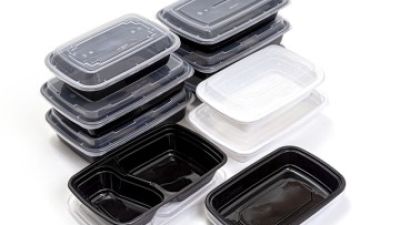
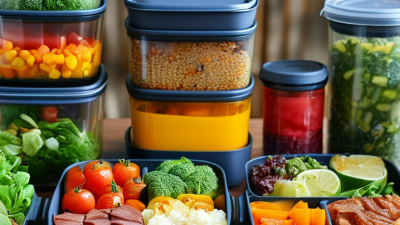
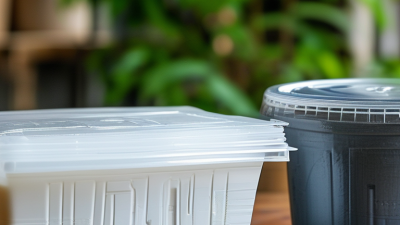
In the ever-changing world of food storage and packaging, Deli Containers are really starting to catch people's attention. As folks look for something durable and practical, it’s good to know what to keep an eye on as we head into 2026. John Smith, a well-known expert from FreshPack Solutions, mentions, “The right deli container can seriously make a difference when it comes to keeping food fresh and looking good.”
Good quality deli containers do more than just protect food—they also make it look more appealing. Materials like BPA-free plastics and glass are becoming pretty popular with buyers these days. Picking the right container can help keep food fresh for longer, which is super important for delis and restaurants trying to cut down on waste and serve top-notch quality.
But honestly, choosing the perfect container isn’t always a walk in the park. Sometimes, products aren’t as sturdy as they seem in the photos or descriptions. That’s why it’s a smart move to check out customer reviews and look for certifications before buying. The market’s packed with so many options it can get pretty overwhelming. In this crowded space, understanding the pros and cons of different types of Deli Containers can really help you make smarter, more confident choices.
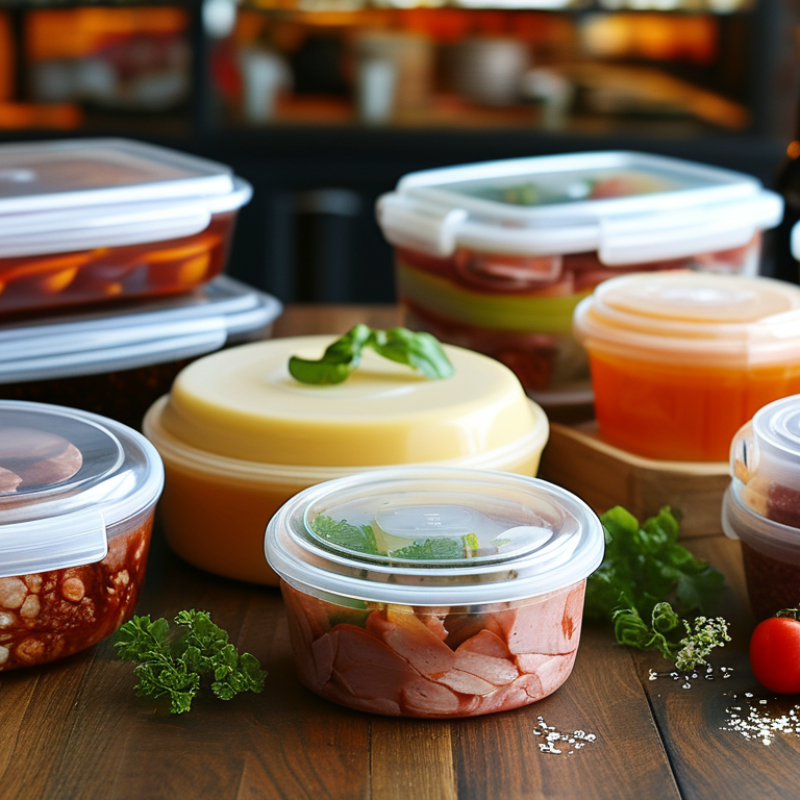
Top Deli Container Trends to Watch in 2026
As we look ahead to 2026, deli container trends will reshape how food is stored and presented. Eco-friendly materials are gaining traction. Buyers seek sustainable options that lessen environmental impact. These containers, often made from recycled or biodegradable materials, appeal to health-conscious consumers. They also enhance a brand’s reputation for caring about the planet.
Innovative designs are another trend to watch. Containers with built-in portion control features are becoming popular. This caters to consumers who want convenience without sacrificing health. Also, multi-compartment containers allow for better food organization and freshness. However, not all designs work perfectly for all foods. Many users report challenges with leaks or durability in everyday use.
Digital technology is influencing deli containers as well. Smart packaging can provide freshness indicators and track expiration dates. While this tech is exciting, it raises questions about compatibility with existing systems. Not every retailer is ready to embrace these changes fully. Buyers must navigate these complexities carefully as they plan for future needs.
Key Features to Look for in Deli Containers
When selecting deli containers, buyers should prioritize key features that enhance usability and safety.
Material quality is crucial. Look for options made from BPA-free plastics or glass, which ensure food safety.
According to a recent industry report, over 70% of consumers prefer eco-friendly materials.
This choice also reflects a growing trend towards sustainability.
Size and shape matter. Containers should be stackable for efficient storage.
A variety of sizes caters to different food types, from salads to sandwiches.
Analyzing market data, nearly 45% of restaurants report that versatile container sizes improve their food delivery efficiency.
Consider airtight lids. They help in preserving freshness and extending shelf life.
Confirm that the sealing mechanism is strong and reliable.
Design details shouldn’t be overlooked.
Clear containers promote easy identification of contents.
Additionally, microwave-safe options offer convenience for reheating.
Interestingly, an industry survey found that customer satisfaction increases with user-friendly designs.
However, some container sets may not fit all types of food perfectly, leading to potential waste.
Thus, buyers should critically evaluate their specific needs to find the ideal balance.
The Benefits of Sustainable Deli Container Materials
Sustainable deli container materials are becoming increasingly important in the food packaging industry. Research estimates that over 80% of consumers prefer eco-friendly packaging options. This shift hints at a growing demand for containers made from renewable resources. Biodegradable plastics, for instance, can decompose in less than 90 days in commercial composting facilities. This reduction in waste is critical, as landfills are projected to reach capacity by 2035, according to environmental reports.
The benefits extend beyond waste reduction. Using sustainable materials can improve brand image. A survey revealed that 70% of consumers are willing to pay more for products that are packaged sustainably. However, achieving this often requires a balance between cost and environmental impact. Some sustainable materials can be pricier than traditional options, challenging businesses to reevaluate their budgets and sourcing strategies. It's a complex issue that demands ongoing reflection within the industry.
Additionally, as regulations tighten, companies face pressure to adopt greener practices. This includes investing in innovations that may not be widely available yet. The journey toward sustainable deli containers is ongoing, and businesses must adapt to succeed. The challenges are real, but the potential for positive change is significant.
Comparative Review of Popular Deli Container Brands
When considering deli containers for 2026, it's important to compare various brands on the market. Each brand offers unique features suitable for different needs. Some focus on sustainability, while others excel in durability or versatility. Buyers should examine these aspects closely.
Material is a crucial factor. Some containers are made of compostable substances, appealing to eco-conscious consumers. Others may prioritize robust, reusable designs made from high-grade plastic. Quality matters. A poor choice can lead to spills or unsanitary conditions. It's essential to check user reviews and ratings, as these provide real-life insights.
Size options also vary. Some brands offer an extensive range, accommodating everything from small salads to large platters. In contrast, others may have a more limited selection. Reflect on your specific needs. Consider how often you'll use the containers and for what types of food. Reflect on your purchases and whether they meet your expectations. This careful evaluation leads to smarter choices, ensuring you invest wisely in deli containers that last.
Best Practices for Storing Food in Deli Containers
When it comes to storing food in deli containers, attention to detail is key. Proper storage can prolong the freshness of your ingredients. Use clear containers to easily identify contents. This simple step can prevent food waste and promote food safety.
**Tip:** Label containers with dates. This habit helps track freshness and minimizes confusion about older items. Color-coded labels can be a fun way to enhance organization.
Temperature control is vital. Keep deli containers in the right environment. Some foods require refrigeration while others do not. Learn the best practices for each food type to maintain quality.
**Tip:** Use airtight containers for items prone to spoiling. Air exposure can lead to quicker decay. Regularly check sealing mechanisms; even slight imperfections can compromise your food storage.
Always wash containers thoroughly before storing new food. Residues can affect the flavor and safety of fresh ingredients. Consider using warm soapy water or a dishwasher for an effective clean.
**Tip:** Avoid stacking containers too tightly. This may lead to breakage or make it hard to access what you need. Practicing these steps can ensure that your food remains fresh and safe.
Top Deli Containers for 2026: What Buyers Should Know
| Container Type |
Material |
Capacity (L) |
Best Use Case |
Temperature Range (°F) |
| Classic Deli Container |
Polypropylene |
3.8 |
Cold salads, meats |
-40 to 160 |
| Stackable Deli Container |
Polycarbonate |
5.7 |
Bulk storage |
-40 to 212 |
| Microwave Safe Container |
BPA-Free Plastic |
2.5 |
Reheating foods |
-20 to 250 |
| Heavy-Duty Container |
Stainless Steel |
10.0 |
Long-term storage |
-60 to 500 |
| Tamper-Proof Deli Container |
Polyethylene |
4.5 |
Pre-packaged foods |
-40 to 180 |
Budgeting Tips for Selecting High-Quality Deli Containers
When selecting deli containers for your business, budgeting is crucial. Quality containers may cost more upfront but save money in the long run. Look for materials that are durable and suitable for various food types. For example, BPA-free plastics ensure safety and compliance. Remember, not all containers are created equal.
Consider the functionality of the deli containers. Good designs can reduce waste and prevent spillage. Check if the lids seal properly to maintain freshness. If containers break easily, you'll face added costs. Weighing long-term benefits against initial investment is necessary.
Look for bulk purchasing options to keep prices down. It’s often cheaper to buy in larger quantities. However, assess your actual storage needs first. Investing in quality should not compromise your budget. Reflect on your choices and adjust as needed. Avoid hasty decisions that might lead to regrets.
Regulatory Standards Affecting Deli Container Safety in 2026
As we approach 2026, understanding regulatory standards for deli container safety becomes increasingly crucial. Many regulations are designed to protect consumer health. These standards govern materials used, labeling, and environmental considerations. Compliance can vary widely based on location and specific products.
For instance, the FDA and other regulatory bodies may emphasize the importance of using food-grade materials. Containers must resist chemicals and be free from harmful additives. Inadequate adherence to these regulations can lead to serious health risks. Moreover, packaging that fails to meet safety standards may hinder a business's reputation.
It's vital for buyers to stay informed. They should research materials and certifications. Not all deli containers meet stringent safety requirements. Failure to comply with local regulations may result in product recalls or legal issues. Businesses must balance cost with safety, reflecting on their choices and their impact on public health. This ongoing consideration ensures that their products remain safe and trustworthy.
The Ultimate Guide to Choosing Eco-Friendly Takeaway Containers: Features and Benefits of Recyclable Rectangular Microwavable Options
When it comes to choosing eco-friendly takeaway containers, recyclable rectangular microwavable options stand out for their practicality and environmental benefits. Made from food-safe and BPA-free polypropylene, these containers not only ensure food safety but also help reduce plastic waste. Their recyclable nature allows consumers to enjoy convenient meals while contributing to a sustainable future.
These containers are designed to withstand temperatures ranging from -20°C to 120°C (-4°F to 250°F), making them microwave and freezer safe. This feature is particularly beneficial for those who require long-term freezer storage or need to reheat meals quickly. The tightly fitting lids are leak-proof, ensuring that food stays intact and fresh during transport, a crucial factor for busy individuals and food service professionals alike. Additionally, the sturdy construction of these containers is pressure-resistant, which prevents cracking or bending during delivery, ensuring that food arrives in perfect condition.
Their versatility makes these containers perfect for a variety of scenarios, from office lunches and fast food restaurants to food trucks, catering events, and supermarkets. By opting for these eco-friendly takeaway containers, both businesses and consumers can enjoy the convenience of takeaway meals while making a positive impact on the environment.
FAQS
: Budgeting ensures quality containers, which may cost more upfront but save money long-term.
Focus on durable, food-safe materials, like BPA-free plastics, that suit various food types.
Choose designs that minimize spillage and ensure lids seal tightly to maintain freshness.
Assess your storage needs carefully; buying in bulk can be cost-effective, but only if needed.
Compliance protects consumer health and upholds your business's reputation against safety risks.
Selection of non-compliant containers can lead to health risks, recalls, and potential legal issues.
Research materials and certifications to confirm that they meet safety requirements.
Quality containers reduce replacement costs and prevent issues related to spillage and contamination.
Regular reflection helps you adapt to changing needs and avoid hasty, regrettable decisions.
Rushing the decision can lead to compromised quality and increased long-term costs.
Conclusion
As we look ahead to 2026, the market for deli containers is evolving with noteworthy trends and features. These containers are increasingly focusing on sustainability, offering eco-friendly materials that reduce environmental impact while ensuring food safety. When selecting deli containers, it’s essential to consider key features such as durability, leak resistance, and compatibility with various food types.
Additionally, understanding best practices for food storage in deli containers can enhance food preservation and safety. Budget-conscious consumers should also explore effective budgeting tips to invest in high-quality products that comply with the regulatory standards affecting deli container safety. Keeping these insights in mind will help buyers make informed decisions in a dynamic market.