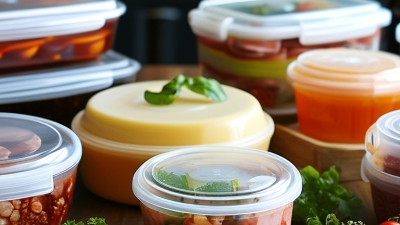
In the fast-moving world of food services, it’s pretty clear how important good Food Packaging Boxes really are. I remember Emily Roberts, a well-known packaging guru, once saying, “Great packaging not only protects your food but actually boosts your brand.” That really hits home, right? It’s a reminder that how you package your food shouldn’t be an afterthought—it’s a key part of your marketing game.
Honestly, every little detail counts when it comes to packaging. From the materials you pick to the design and how functional it is—each piece helps catch your customer’s eye. For example, eco-friendly options are super popular right now with folks who care about the planet. And eye-catching, memorable designs? They can honestly make your product stick in people’s minds. But here’s the thing—many businesses miss out on this stuff. They settle for generic boxes, and in doing so, they miss a golden opportunity to showcase their brand. So, ask yourself—does your current packaging really reflect your brand’s identity?
In such a competitive market, it’s really worth thinking carefully about your Food Packaging Boxes. Are you just doing the bare minimum, or are you pushing the envelope a little? High-quality packaging isn’t just a nice-to-have anymore; it can set you apart from the crowd and help build customer loyalty. Bottom line? Putting some real thought into your food packaging isn’t optional—it's absolutely crucial if you want to grow and succeed.
Essential Factors to Consider When Choosing Food Packaging Boxes
Choosing the right food packaging boxes is crucial for any business. Essential factors to consider include material, sustainability, and design.
Data from the Food Packaging Institute indicates that over 40% of consumers consider packaging sustainability before making a purchase. This highlights the growing importance of eco-friendly materials.
Material selection is also vital. For instance, corrugated cardboard is cost-effective and provides excellent protection. In contrast, plastic containers offer durability but may discourage eco-conscious buyers.
A recent study showed that 70% of consumers prefer biodegradable packaging over traditional options. This change demands brands adapt to consumer preferences or risk losing market share.
Design plays a significant role in attracting customers. Eye-catching graphics and clear labeling can enhance brand recognition. However, functionality should not be sacrificed for aesthetics. A package must keep food fresh while being easy to open. Balancing these aspects can be challenging. Some companies struggle to find the perfect blend, resulting in packaging that fails to resonate with customers. This reflection is crucial for businesses aiming to thrive in a competitive market.
Eco-Friendly Packaging Options for Sustainable Business Practices
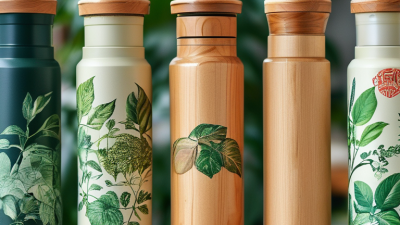
Sustainable packaging is crucial for businesses today. Eco-friendly options help reduce waste and promote a healthier planet. A recent report from the Packaging Sustainability Coalition indicated that 70% of consumers prefer sustainable packaging. This shift shows a growing demand for environmentally responsible practices in the food industry.
Fast Food Boxes Packaging can be designed using biodegradable materials. These materials decompose much faster than traditional plastics. Research shows that using plant-based materials can reduce carbon emissions by up to 30%. Many businesses are exploring innovative designs, such as reusable containers. However, not all solutions are perfect. Some biodegradable options may still require optimal conditions to break down effectively.
Implementing eco-friendly packaging can pose challenges. The cost of raw materials may be higher, impacting profit margins. Additionally, businesses face the task of educating customers on how to dispose of packaging correctly. Engaging with consumers and explaining these benefits can help create a positive impact. Emphasizing transparency in sourcing can also build trust. The journey toward sustainable practices is complex, but the potential rewards for businesses are significant.
Innovative Designs that Enhance Food Presentation and Appeal
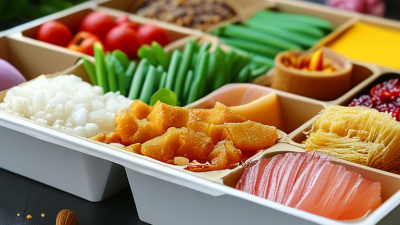
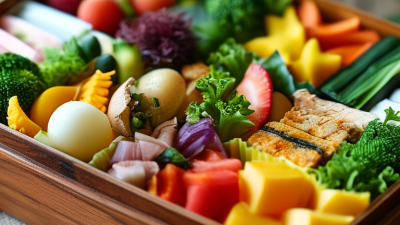
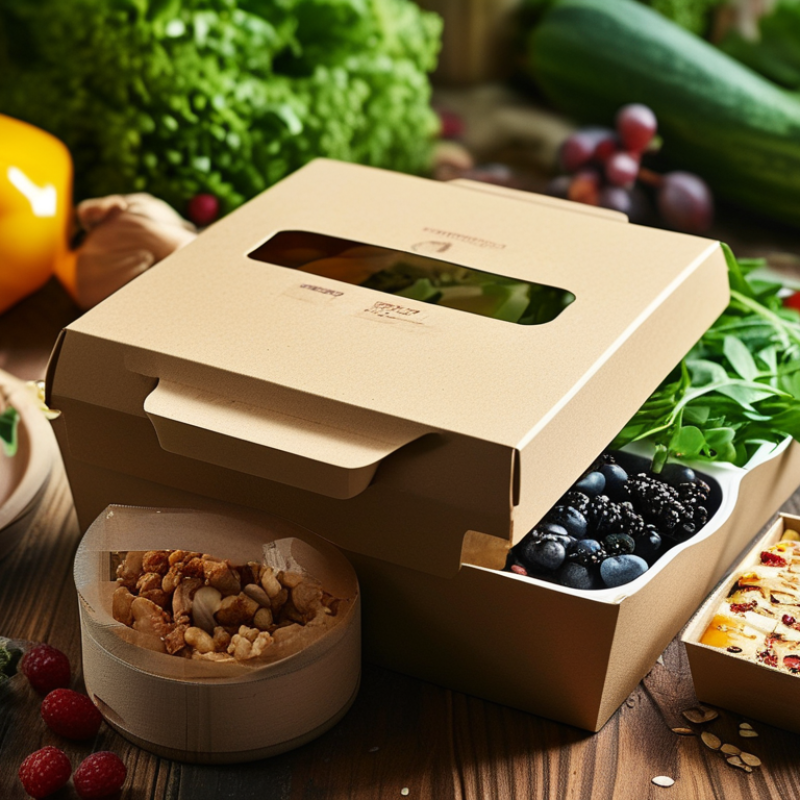
Innovative food packaging boxes play a crucial role in attracting customers and enhancing food presentation. Creative designs can make a dish look more appetizing and appealing. For example, windowed boxes allow customers to see the fresh food inside, sparking interest. Eco-friendly materials also resonate with today's environmentally conscious consumers, showing that your brand cares about sustainability.
Tips to consider include using bold colors and attractive graphics. These elements can grab attention and communicate your brand's personality effectively. Exploring unique shapes and sizes can also set your packaging apart. Think about what enhances the dining experience, such as elegant compartments for sauces or utensils.
While innovation is key, it is essential to balance aesthetics with functionality. Packaging should protect food during transport and maintain its freshness. You'll want your packaging to be user-friendly, ensuring easy opening and disposal. Reflect on customer feedback and make adjustments where necessary. Strive for packaging that not only looks good but also elevates the quality of your food.
Durability and Protection: Ensuring Food Safety During Transport
When it comes to food packaging, durability and protection are paramount. Food Packaging Boxes Plastic can be an excellent choice due to their resilience. They resist moisture and prevent contamination, making them suitable for various food items. These boxes safeguard against damage during transport and storage. They can handle the rigors of shipping without compromising safety.
However, not all plastic packaging is created equal. Some may lack the strength needed for heavy items. Companies must assess the specific requirements of their products. Conducting tests and gathering feedback can reveal which designs offer the best protection. Reinforcing edges or using thicker materials might be necessary for fragile goods.
Choosing sustainable materials is also a growing concern. Businesses should consider the environmental impact of their packaging. This requires research and analysis, as eco-friendly options often differ in durability. Balancing safety and sustainability remains a significant challenge. Using Food Packaging Boxes Plastic responsibly can minimize this dilemma while ensuring food safety.
Cost-Effective Packaging Solutions for Small and Large Businesses
Choosing the right packaging can transform a business. Cost-effective solutions are essential for both small and large companies. Many often overlook the impact of packaging. It’s not just a box; it's a brand statement.
Plastic Food Packaging Boxes are versatile and can be customized to fit various shapes and sizes. They offer durability and protection for food products, making them a popular choice. Businesses can save costs while ensuring quality. However, it’s crucial to assess if these boxes meet sustainability goals. Some might find the environmental impact concerning.
In a competitive market, packaging matters. A well-designed box can attract customers. But remember, it shouldn't just be about looks. Functionality is key. Consider how the packaging protects the product during transport. More reflection leads to better choices. Balancing cost with quality is a challenge every business faces. Embracing innovative solutions can lead to better outcomes.
Top 10 Food Packaging Boxes Every Business Should Consider
| Box Type |
Material |
Size (inches) |
Usage |
Cost Estimate |
| Kraft Paper Box |
Kraft Paper |
8 x 8 x 3 |
Bakery Goods |
$0.50 each |
| Pizza Box |
Corrugated Cardboard |
12 x 12 x 2 |
Pizzas |
$0.75 each |
| Chinese Takeout Box |
Paperboard |
6 x 6 x 3 |
Takeout |
$0.30 each |
| Sushi Box |
Plastic |
9 x 6 x 1.5 |
Sushi |
$0.85 each |
| Lunch Box |
Bamboo |
7 x 5 x 3 |
Lunch Meals |
$1.20 each |
| Cupcake Box |
Cardboard |
10 x 10 x 5 |
Cupcakes |
$0.65 each |
| Deli Box |
Plastic |
8 x 6 x 3 |
Deli Meals |
$0.90 each |
| Sandwich Box |
Cardboard |
9 x 4 x 3 |
Sandwiches |
$0.55 each |
| Wrap Box |
Recycled Paper |
10 x 5 x 5 |
Wraps |
$0.70 each |
Custom Branding Opportunities through Food Packaging Design
Food packaging design is more than just a protective layer. It serves as a powerful platform for brand communication. Custom branding opportunities in food packaging can significantly enhance a business's visibility. Thoughtful design can capture attention and evoke emotions, fostering a connection with consumers. Consider colors, textures, and typography that resonate with your target audience.
When creating packaging, reflect on how it represents your brand values. Errors in design can mislead customers or confuse your message. Invest time in research to understand what appeals to your market. Incorporate sustainable materials to build trust. Many consumers today value eco-friendly options and see them as a sign of responsibility.
Every box tells a story. Design should reflect your product's essence, showcasing its uniqueness. Experiment with various shapes and sizes to stand out on crowded shelves. Small changes can lead to significant impacts in branding. However, continuous improvement is key; seeking feedback and making adjustments can enhance effectiveness over time.
Trending Materials and Technologies in Food Packaging Industry
The food packaging industry is evolving rapidly, driven by consumer demand for sustainability and safety. In recent studies, it's found that about 74% of consumers prefer sustainable packaging. This shift is prompting businesses to explore advanced materials like bioplastics and recycled paper. These innovations not only reduce environmental impact but also enhance the brand's image. Furthermore, research indicates that the global market for biodegradable food packaging is projected to reach $15 billion by 2027.
New technologies are also playing a crucial role. Smart packaging is gaining traction, with capabilities to monitor freshness and prevent contamination. Reports suggest that smart packaging technology could improve food safety by up to 50%. These advances include sensors that provide real-time data about the product's condition. However, integrating such technologies can be costly and may not be feasible for every business. Companies must weigh these options carefully.
Disposable Food Packaging Boxes remain essential as they offer convenience. Yet, they also pose a challenge for waste management. A staggering 40% of food packaging ends up in landfills, highlighting the need for better solutions. While some brands strive for eco-friendly alternatives, the transition isn’t uniform across the industry. Remaining aware of these discrepancies allows for informed decisions. The balance between cost, safety, and sustainability continues to be a tough puzzle for food packaging businesses.
FAQS
: Packaging design attracts customers and enhances food presentation, making dishes look more appetizing.
Windowed boxes show fresh food inside. Unique shapes and compartments enhance the dining experience.
Bold colors and attractive graphics grab attention and communicate your brand's personality effectively.
Durability protects food during transport and storage, ensuring safety and quality are maintained.
Not all plastic is equal; durability varies. Assess specific needs and conduct tests for optimum protection.
Balancing safety and sustainability can be difficult. Eco-friendly options may not always be as durable.
Customer feedback helps identify areas for improvement. Adjustments can enhance functionality and appeal.
Packaging should be user-friendly, allowing for easy opening and disposal, enhancing overall convenience.
Innovation is essential, but aesthetics must not compromise functionality. Packaging must protect food effectively.
Regularly reflect on customer experiences and make necessary changes to improve packaging quality and appeal.
Conclusion
In today's competitive market, selecting the right Food Packaging Boxes is crucial for businesses aiming to enhance their brand image and product safety. Key factors to consider include the durability and protection these boxes offer, ensuring that food remains safe during transport. Eco-friendly options are increasingly popular, reflecting a commitment to sustainability and attracting environmentally conscious consumers.
Furthermore, innovative designs can significantly enhance the visual appeal of food products, making them more enticing to potential buyers. Businesses should also explore cost-effective solutions tailored to their specific needs, whether they are small startups or larger enterprises. Custom branding opportunities through packaging design allow businesses to create a unique identity, while keeping abreast of trending materials and technologies ensures they stay relevant in the evolving food packaging industry.