When it comes to modern storage options, plastic containers are really making waves. And honestly, if you've looked into it, you'll see the market’s booming—according to some reports from Research and Markets, it’s set to hit around $62.3 billion by 2026. That’s pretty impressive, right? It all comes down to how versatile and durable these containers are. From food and drink to healthcare, more and more industries are relying on them to save space and keep products safe and protected.
But, of course, it’s not all sunshine and rainbows. Not all plastic containers are equal, and that can sometimes lead to confusion. There are different qualities, and some aren’t even recyclable, which raises concerns about sustainability. It really matters for both consumers and businesses to think about the environmental impact of their choices. Picking the right type of container can make a big difference—both in how efficiently you use space and in how eco-friendly you are.
Figuring out which plastic container to go for can actually be quite tricky. There are so many options designed for different needs, and choosing the wrong one might mean wasted space or a compromise on safety. So, it’s super important to be aware of that variety. As demand keeps growing, understanding the ins and outs of these containers will help you make smarter decisions—balancing practical needs with caring for the planet.
Overview of Plastic Container Types
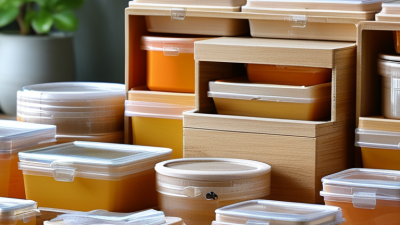
When it comes to efficient storage solutions, A Plastic Container can be a game-changer. Various types exist, each serving unique purposes. Clear bins are popular for visibility. They allow easy identification of contents. Stackable containers save space. These provide flexibility in organization. Furthermore, airtight options help preserve food items. They prevent moisture and pests, ensuring freshness.
Different sizes and shapes of a plastic container cater to diverse needs. For example, small bins are perfect for craft supplies. Larger containers suit bulk items like toys or seasonal clothing. Some containers even come with dividers. This feature is great for organizing small bits together. On the flip side, not all containers are created equal. Durability can vary. It's essential to choose wisely based on the intended use.
Consideration of these factors aids in finding the right fit for your needs. Managing clutter empowers anyone in pursuit of a tidy space. However, it takes some trial and error to discover the ideal plastic container. Each choice presents an opportunity to reflect on storage efficiency.
Characteristics of Efficient Storage Solutions
Efficient storage solutions depend on choosing the right plastic containers. Opt for containers that offer airtight seals. This prevents moisture and air intrusion, thereby maintaining freshness. Clear containers help you see contents easily, reducing the chances of forgetting items. Many people underestimate the importance of organization. Using labeled containers can drastically improve accessibility and efficiency.
Proper stackability is another key characteristic. Select containers that nest well together. This maximizes space and keeps your storage area tidy. Some containers are designed to be modular, making them adaptable to various spaces. It's essential to consider the size and shape of your items. Not all plastic containers fit every need.
Use Plastic Container options that offer durability and are BPA-free. This ensures safety while extending the lifespan of your storage solutions. When managing a kitchen or garage, it's wise to periodically reassess container use. Containers that once served a purpose may become obsolete. Regular evaluation helps keep your space optimized. Always choose containers that fit your needs rather than picking what looks pleasing.
Bottles: Versatile Storage for Liquids
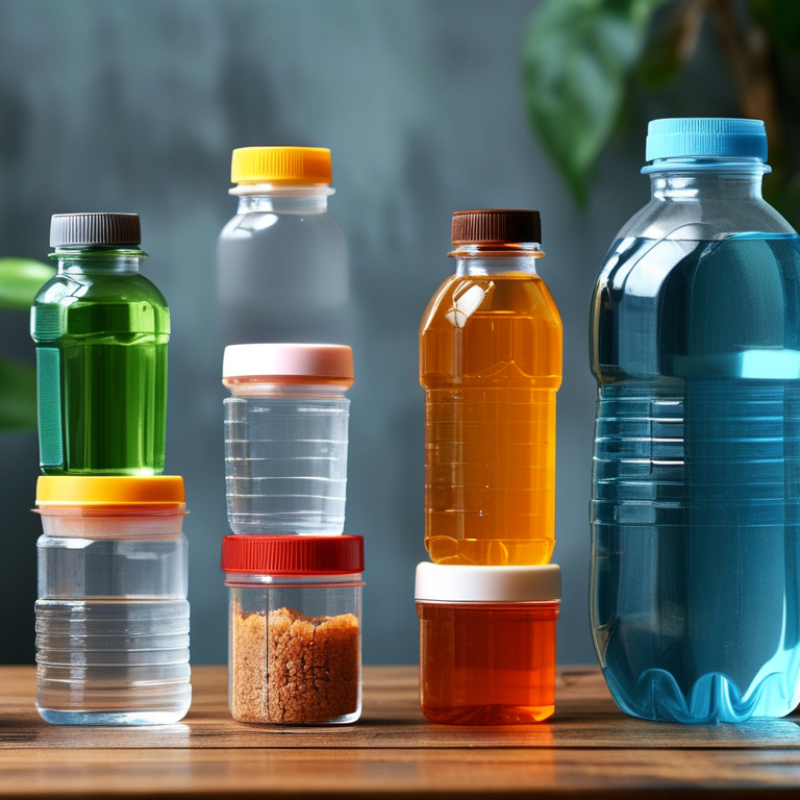
Bottles are an essential component of efficient storage solutions, particularly for liquids. They offer versatility, durability, and various capacities, catering to different storage needs. According to a recent industry report, the global plastic bottle market is projected to reach $200 billion by 2025, reflecting the demand for these storage options. Bottles are lightweight, making them easy to handle and transport.
Different types of bottles serve specific purposes. For instance, wide-mouth bottles allow for easy filling and cleaning, while narrow-mouth designs are better for pouring. However, the choice of material matters. PET and HDPE bottles are widely used, yet each has its environmental implications. Recent studies show that only 9% of plastic ever produced has been recycled, causing reflection on sustainable practices within the industry.
While bottles provide great convenience, they often come with a down side. Misuse and improper disposal lead to pollution and waste. Additionally, some consumers may overlook the importance of checking for BPA-free labels when selecting plastic bottles. This raises questions about consumer education and accountability in the pursuit of efficient storage solutions. Balancing convenience with environmental responsibility remains a critical challenge.
Bins: Organizing Items with Stackable Options
Bins are essential for efficient storage solutions. They provide an organized way to store various items. One of the standout features of these bins is their stackable design. Stackable bins save space and enhance accessibility. You can easily slide them into closets or storage units. This feature makes them ideal for small areas or homes with limited space.
When choosing bins, consider their material and size. Plastic Container Pp is a common choice for durability and versatility. The lightweight nature of these containers allows for easy transportation. Consider mixing different sizes for better organization. Some bins might not fit perfectly in stacked configurations. This can lead to wasted space. Reflect on your storage needs to ensure optimal use.
Moreover, think about labeling your bins. This practice enhances efficiency and simplifies retrieval. You might find that not all bin styles work for you. It's okay to try different options to find what fits best. Not every solution is perfect, and some setups may require adjustment. Embrace trial and error to achieve your ideal organized space.
Food Storage Containers: Keeping Food Fresh
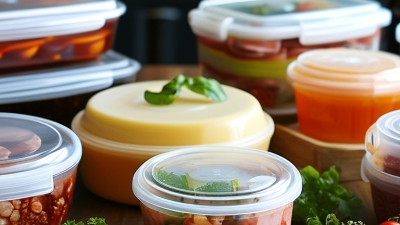
Food storage containers play a crucial role in maintaining the freshness of your meals. They come in various shapes, sizes, and materials. Choosing the right type can make a difference in flavor and texture. Airtight containers are essential for protecting food from air and moisture. Materials like BPA-free plastic are commonly used. They offer durability and are safe for food contact.
Consider the importance of clear containers. You can easily see what's inside, reducing food waste. Using labels can help track freshness dates. It’s easy to forget when items are stored away. Inconsistent sealing can lead to spoilage, reminding you to check your methods. Glass containers are also a popular choice for food storage. They are sturdy and maintain temperature well. However, they can be heavy and fragile, raising concerns about safe handling.
It is important to reflect on your current storage habits. Are you using the right containers? Are lids sealing properly? Re-evaluating your system can save time and frustration. Efficient storage not only fosters health but also encourages cooking at home. Ultimately, the right food storage solution can turn meal prep into a simple and enjoyable task.
Caddies: Convenient Carry-All for Tools and Supplies
Caddies are essential for efficient organization, especially in workshops and home projects. These portable containers help carry tools and supplies conveniently. According to industry reports, the global plastic container market is projected to reach $432 billion by 2026. This growing trend underscores how vital storage solutions are in both professional and personal environments.
A well-designed caddy can hold various items, such as hand tools, paint supplies, or gardening implements. Its ergonomic shape allows for simple transport. However, not all caddies are created equal. Users often report issues with durability and compartment sizes. It's crucial to assess what items you will carry. This planning helps avoid the frustration of an overcrowded or poorly designed caddy.
Proper usage enhances efficiency. Visualizing the layout of your caddy can save time when working on projects. Keep frequently used tools in the most accessible spots. Also, consider labeling compartments for quick identification. Many users find that a simple checklist of necessary items before starting can be beneficial. Achieving a balance between convenience and organization can lead to a more productive work environment.
Top 10 Plastic Container Types for Efficient Storage Solutions
This chart illustrates the popularity of various plastic container types used for effective storage solutions. Caddies are among the most favored due to their convenience in carrying tools and supplies.
Specialized Containers: Tailored Solutions for Unique Needs
When it comes to specialized storage, The Plastic Container offers tailored solutions for unique needs. For example, stackable containers are great for maximizing vertical space. They make organization easy, yet not all designs fit standard dimensions, which can complicate storage. Finding the right size is essential.
Food storage containers are another specialized option. These are designed to keep items fresh. However, not every type is microwave-safe. Users should always check the labeling. Some may find the available sizes insufficient for bulk storage, requiring additional containers for larger items.
The Plastic Container can also adapt to office needs. Document holders and supply bins help maintain order. But, mismatched styles can create a visually chaotic workspace. Clear containers enhance visibility, yet some users prefer opaque options to conceal contents. This presents a choice between practicality and aesthetics.
Top 10 Plastic Container Types for Efficient Storage Solutions
| Container Type |
Capacity (Liters) |
Dimensions (cm) |
Best Use Case |
| Stackable Boxes |
30 |
50 x 40 x 30 |
Heavy-duty storage |
| Transparent Bins |
20 |
40 x 30 x 25 |
Organization of small items |
| Food Storage Containers |
5 |
20 x 15 x 10 |
Kitchen food storage |
| Airtight Jars |
1 |
10 x 10 x 12 |
Dry goods pantry storage |
| Laundry Baskets |
60 |
70 x 40 x 30 |
Clothing storage |
| Cube Storage Bins |
15 |
35 x 35 x 35 |
Toy storage |
| Hazardous Material Containers |
10 |
30 x 30 x 30 |
Chemical storage |
| Modular Storage Solutions |
Varies |
Custom |
Versatile space-saving |
| Drum Containers |
200 |
60 x 60 x 90 |
Liquid storage |
| Foldable Crates |
25 |
50 x 30 x 30 |
Transport and storage |
FAQS
: Bottles offer versatility, durability, and lightweight convenience for transporting liquids. Various sizes cater to differing needs.
Wide-mouth bottles allow easy filling and cleaning, while narrow-mouth designs are better for controlled pouring.
PET and HDPE are common, but only 9% of plastic is recycled, raising concerns about sustainability and waste.
Misuse, improper disposal, and overlooking BPA-free labels contribute to pollution and health concerns for consumers.
Caddies help carry tools and supplies easily, but their design needs to accommodate the specific items you carry.
Users often face problems with durability and compartment sizes, leading to frustration during projects.
Visualizing the caddy's layout saves time. Keep frequently used tools accessible and consider labeling compartments for efficiency.
Finding the right size is crucial. Some containers may not fit standard dimensions or be microwave-safe, requiring careful selection.
Users must ensure containers are suitable for different storage needs and check if they are microwave-safe or large enough.
Choosing between clear and opaque containers affects visibility and organization, creating a balance between practicality and appearance.
Conclusion
Plastic containers offer a versatile and efficient solution for various storage needs. The article outlines different types of plastic containers, starting with bottles, which are ideal for storing liquids due to their portability and secure sealing. Bins provide organizational space with stackable options, maximizing storage area while keeping items easily accessible.
Food storage containers focus on maintaining the freshness of perishable items, ensuring safe and convenient food management. Additionally, caddies serve as convenient carry-alls for tools and supplies, streamlining the organization of smaller items. Specialized containers are also highlighted, catering to unique storage requirements for different applications. Overall, understanding the characteristics of these plastic containers can enhance efficiency in storage solutions across various settings.