



Leave Your Message
Engineered with exact volumetric measurements, leak-resistant seals, and temperature-tolerant materials for optimal culinary balance.
Analyzing the macro-economic surge in fitness diets, commercial meal subscriptions, and algorithmic portion control architectures.
The global landscape of commercial catering, quick-service restaurants (QSR), and direct-to-consumer (DTC) healthy food services has experienced a seismic transformation. Carry out food boxes for food meal prep and portion control have evolved from simple passive vessels into active operational assets. In an era dominated by wellness-oriented lifestyles, clinical nutritional therapy, metabolic health tracking, and macro-balanced fitness regimens, the design integrity of food containers dictates both consumer compliance and brand profitability.
Segmented deep-well cavities maintain strict ingredient separation, preventing fluid migration, cross-contamination, and enzymatic degradation between proteins, grains, and dressed vegetables.
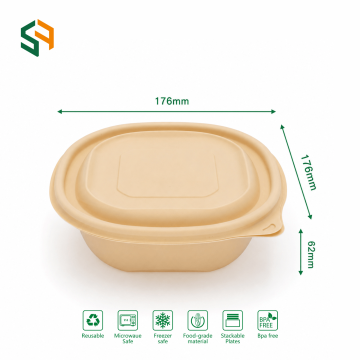
Advanced polymers and corn starch formulations maintain structural rigidity from deep-freeze refrigeration (-20°C) to high-frequency microwave regeneration (120°C) without chemical leaching.
Precision-engineered interlocking base lids and anti-slip perimeter rims maximize cold-chain courier transport density, minimizing tipping risks and delivery damages in high-volume meal kit hubs.
Commercial meal prep operations are increasingly turning towards smart, portion-controlled packaging to mitigate labor costs and eliminate over-portioning losses. Over-portioning by as little as 5% per meal container can erode tens of thousands of dollars in operating margin annually across industrial cloud kitchens. By implementing rigid, uniform-dimension carry out food boxes, commercial chefs and automated automated dispensing dispensers can achieve repeatable, macro-nutrient exactness that matches app-driven user diet plans (such as Keto, Mediterranean, Low-FODMAP, or High-Protein fitness schedules).
Furthermore, consumer psychology heavily favors transparent or semi-transparent anti-fog lid configurations. A visually distinct presentation, wherein the portion of lean protein (such as grilled salmon or skinless chicken breast) is prominently isolated from complex carbohydrates and fibrous vegetables, reinforces perceived meal freshness and portion discipline. When takeaway meal boxes maintain airtight barrier locks, moisture retention is maximized, preserving organoleptic properties throughout extended 3-to-5-day refrigerated shelf lives.
Professional Food Packaging Solutions Provider • Specializing in the production of disposable and recyclable food containers.
With 20 years of industry expertise, we are a professional manufacturer focused on the R&D and production of food packaging containers.
Located in Fuzhou City, Fujian Province, China, we own an 18,000m² modern production base equipped with high-standard clean workshops and over 50 automated production lines, supported by a professional team of more than 100 members.
Backed by our fully integrated production system covering the entire process from raw materials to finished products, we deliver comprehensive control over quality and efficiency across every stage of manufacturing.
Engineered for versatility across catering, meal prep subscription services, takeaway networks, and institutional dining.


With over 100 in-house mold systems, we respond quickly to your custom needs and deliver end-to-end packaging solutions. Committed to exceptional value and uncompromising quality, we directly enhance your customers’ satisfaction and strengthen your market position.
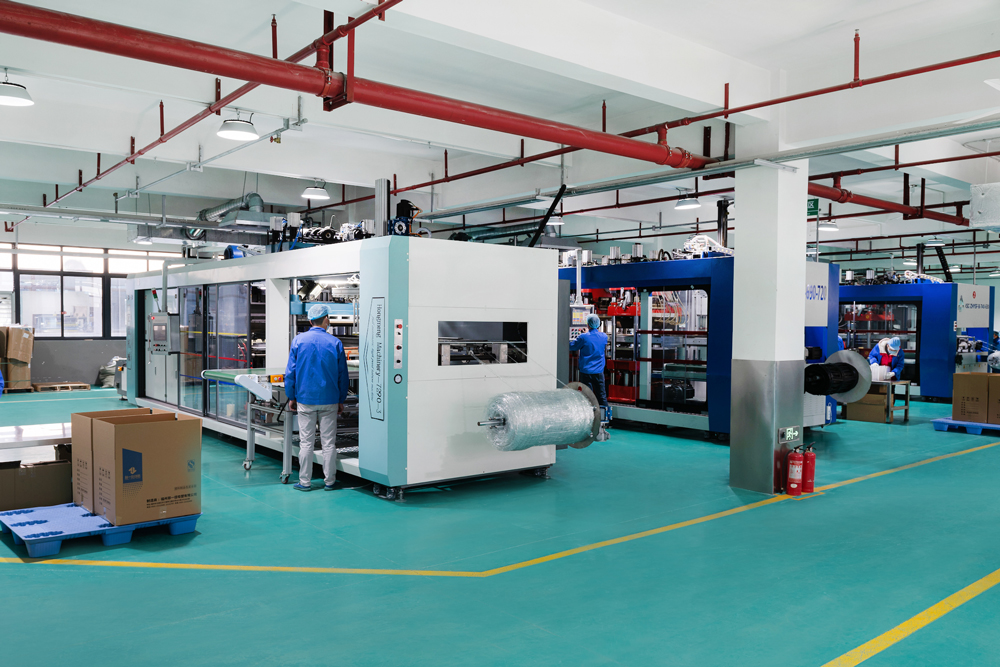
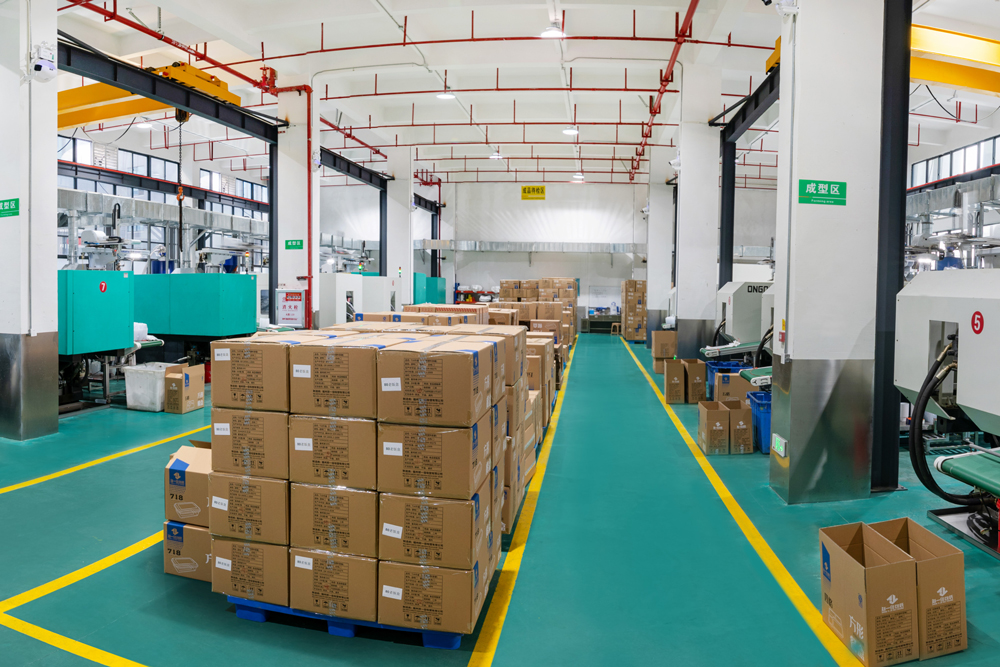
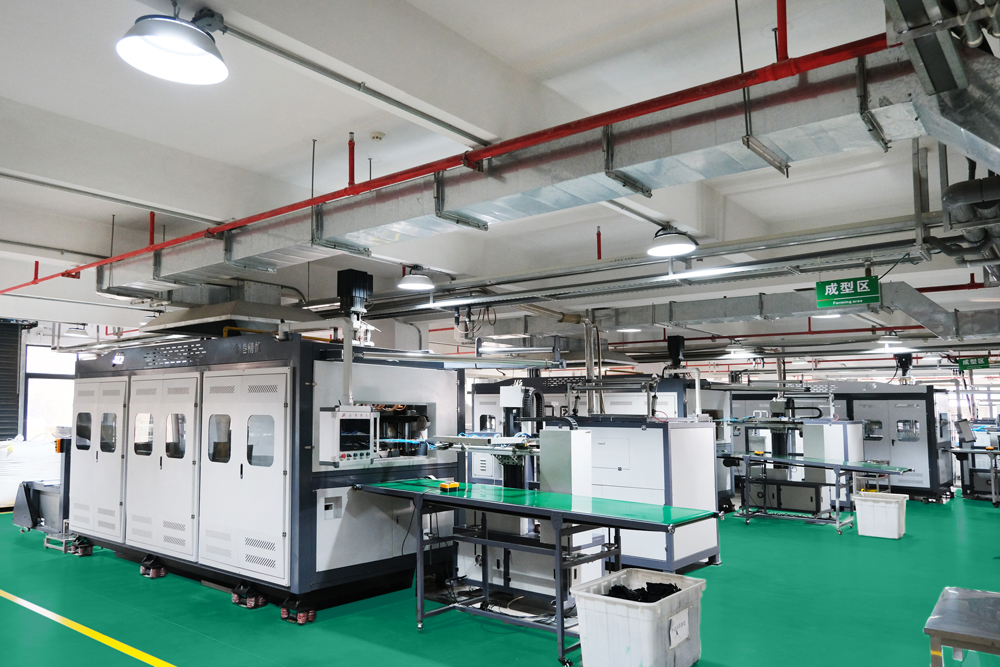
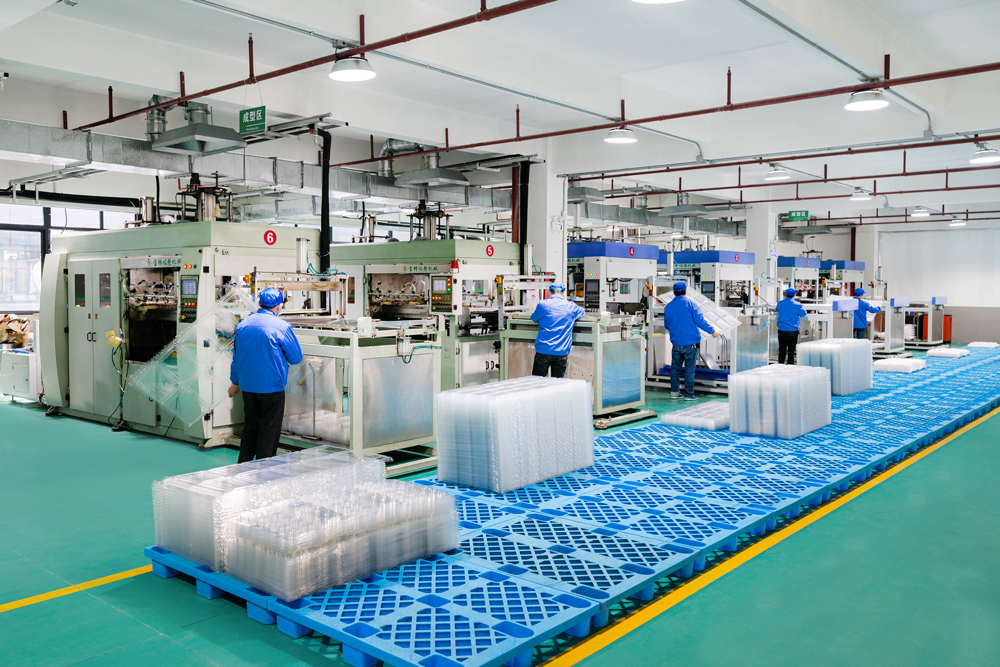
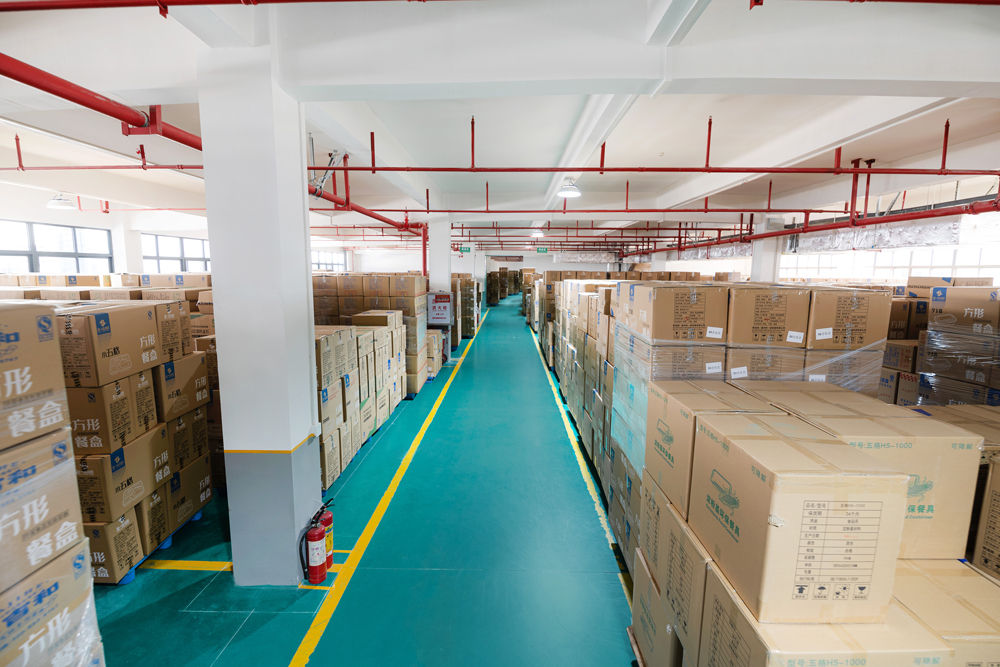
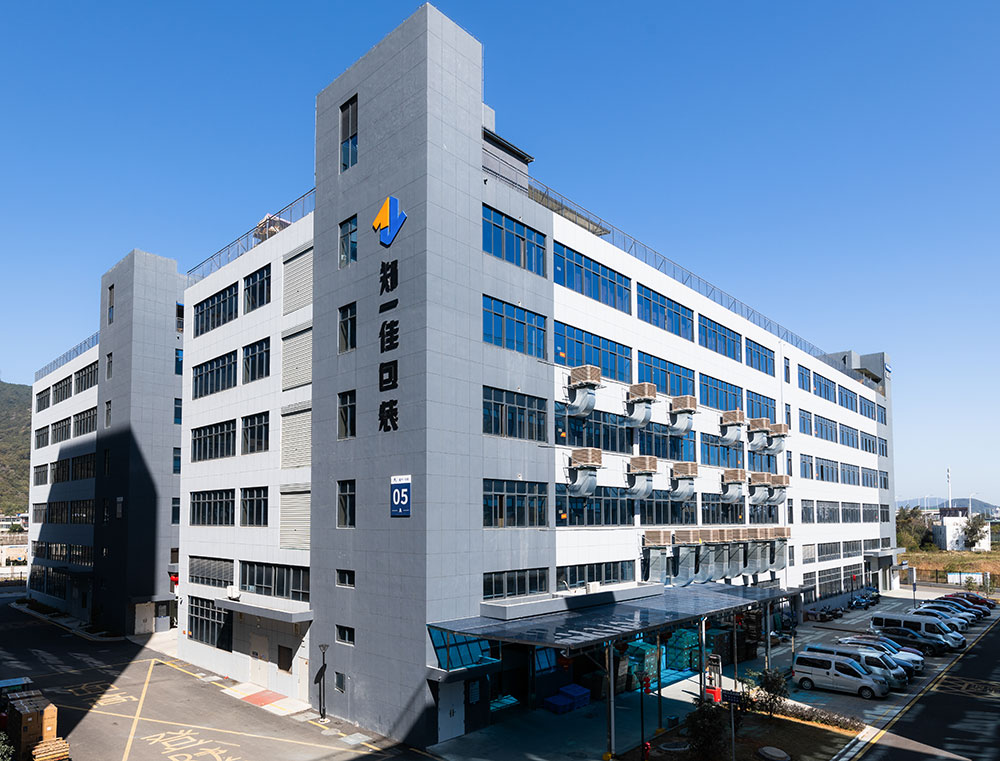
We are certified to ISO9001, ISO14001, HACCP, and QS for food-grade packaging. By combining our in-house CNC mold technology with strict quality control, we ensure safety, stability, and reliability of every product.
Our forward-looking approach, reliable quality, and competitive pricing have earned long-term trust from global customers. With years of experience, we deliver high-quality products; through continuous innovation, we drive sustainable development. We are committed to healthy lifestyles and a greener future with sustainable packaging solutions.
The operational versatility of carry out food boxes extends far beyond conventional restaurant takeout. As consumer dietary consciousness expands, specialized industrial and commercial sectors leverage multi-compartment containers for distinct operational demands:
Direct-to-door meal kit brands rely on 2-compartment and 3-compartment food boxes to strictly isolate 40g of protein, 50g of low-GI carbohydrates, and 100g of steamed greens. The airtight seal locks in micro-nutrients while providing fitness enthusiasts with ready-to-heat, microwave-safe portability between workouts and workplace environments.
Hospitals, rehabilitation centers, and diabetic care facilities employ calibrated portion control containers to standardize sodium, sugar, and caloric thresholds. Tamper-evident perimeter locks guarantee patient safety and zero contamination across sterile hospital wings.
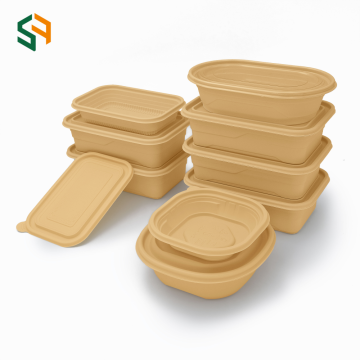
Modern tech campuses and enterprise canteens utilize eco-friendly corn starch meal boxes to offer grab-and-go balanced lunches. The bio-composite structural matrix withstands hot gravies and acidic dressings without softening, aligning with corporate ESG sustainability mandates.
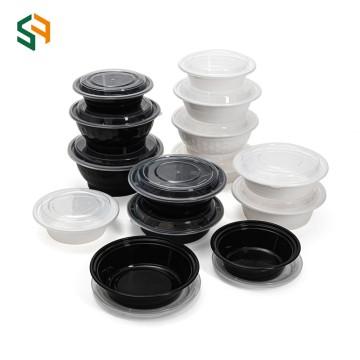
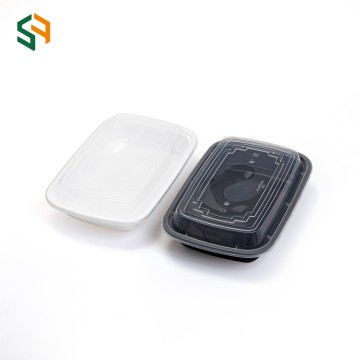
Cloud kitchens running multiple virtual brands (salad bars, grain bowl kitchens, Asian wok stations) streamline inventory by standardizing on stackable rectangular and round PP containers, drastically reducing packaging SKUs and improving packing line throughput.
Selecting the optimal container material is vital for preserving food chemistry and maintaining end-user satisfaction. Our Food-Grade Virgin Polypropylene (PP5) containers exhibit extraordinary flexural fatigue resistance, allowing hinges to withstand hundreds of open-close cycles. They operate reliably within temperature extremes of -20°C to 120°C, offering full microwave, freezer, and dishwasher safety.
Concurrently, our Corn Starch-Based Composite Containers represent the pinnacle of sustainable food container engineering. Derived from renewable annual agricultural starches blended with food-contact binding agents, these containers significantly lower petroleum dependency, degrade under industrial composting parameters, and generate a drastically reduced carbon footprint during thermal extrusion and thermoforming processes.
Explore our complete commercial range engineered for food-grade safety, rigorous portion discipline, and high-frequency catering workflows.
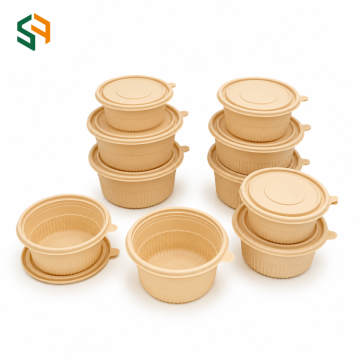
A strategic framework for commercial food distributors, ghost kitchen operators, and institutional hospitality procurement heads.
When selecting carry out food boxes for high-volume meal prep and portion control, global sourcing managers must evaluate a comprehensive matrix of mechanical performance, food-grade compliance, logistics density, and sustainability credentials. Below are key technical parameters to consider:
Substandard lid snaps result in moisture migration and sauce leakage, which ruins consumer meals and triggers negative brand reviews. Opt for precision-molded undercut snap beads that provide an audible lock.
Uniform tare weights are indispensable for high-speed automated checkweighers in meal prep assembly lines. Micro-toleranced dimensions ensure robotic de-nesting machines run without stoppage jams.
With over 100 in-house CNC mold systems, we provide custom compartment partitioning, branded lid embossing, and tailored volumetric capacities from 500ml to 1500ml with exceptionally short lead times.
The next frontier in food meal prep packaging integrates smart temperature indicators, QR-coded batch tracking for farm-to-table traceability, and mono-material constructions that facilitate effortless consumer recycling. By pairing advanced bio-polymers and recyclable Polypropylene with high-efficiency automation, our Fuzhou manufacturing hub continues to spearhead sustainable food container advancements worldwide.