Leave Your Message
Explore our premium selection of heavy-duty, leak-proof, and microwavable deli packaging optimized for high-volume cloud kitchens and commercial food service demands.
The commercial food service landscape is undergoing a massive paradigm shift. With the global rise of decentralized food networks, ghost kitchens, and third-party delivery apps, the reliance on high-performance food packaging has never been more critical. Deli containers, once viewed as simple storage vessels, are now engineered components essential to supply chain efficiency, food safety compliance, and brand representation.
In high-volume commercial kitchens, packaging must satisfy multiple demanding criteria simultaneously. It must withstand rapid temperature changes—moving seamlessly from blast freezers to high-heat commercial microwaves. It must feature robust structural integrity to support stacking in delivery driver vehicles, preventing collapse under load. Furthermore, as global regulations tighten around single-use plastics, the demand for recyclable, bio-based, and compostable alternatives has accelerated. Modern manufacturers are utilizing advanced polymer formulations, such as clarified polypropylene (PP) and bio-blends, to deliver high-clarity, lightweight, yet highly rigid containers that minimize material usage without sacrificing performance.
Engineered to withstand temperatures from sub-zero freezing to 120°C microwaving without warping or releasing toxic chemical compounds.
Precision-engineered perimeter seals and snap-lock lids prevent liquid migration and maintain internal humidity levels during transit.
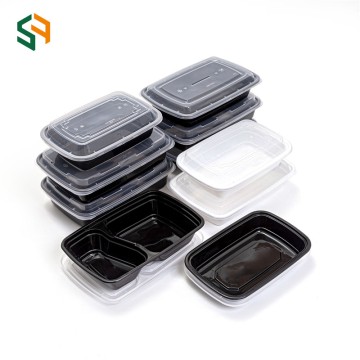
Standardized nesting and locking bases facilitate secure vertical stacking, optimizing limited storage space in delivery hubs and vehicles.
Cloud kitchens operate on a model of speed, efficiency, and scale. With no dine-in customers, the food container is the only physical touchpoint between the kitchen and the consumer. In these environments, deli containers must support rapid automated or semi-automated filling lines. The container rims must be perfectly uniform to allow automated lid-sealing machines to operate without jamming. Once filled, these containers are stacked in thermal delivery bags, where they must resist the ambient steam and pressure of hot food without softening.
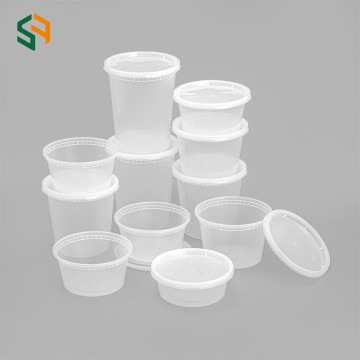
For large-scale catering operations, corporate offices, and university dining halls, portion control and preservation are paramount. Clear, round deli containers allow kitchen staff to pre-portion ingredients, salads, and side dishes, maintaining visibility for inventory management. The airtight seals extend the shelf life of prepped ingredients, reducing food waste and optimizing labor scheduling.
In the retail grab-and-go sector, visual appeal drives sales. Consumers associate high-clarity deli packaging with freshness. Premium semi-transparent containers allow the natural colors of salads, fruit bowls, and cold delicatessen items to stand out on refrigerated shelves. Anti-fog lid technology prevents condensation buildup, ensuring the food always looks appetizing and ready for immediate consumption.
As we look toward the next decade, several key trends are defining the evolution of commercial food containers:
To be your trusted partner in sustainable food packaging – delivering high-value products, reliable quality, and excellent service.
With years of experience in disposable tableware, we use 100% compostable, bio-based, and biodegradable materials to reduce fossil fuel dependency. Precision manufacturing ensures every container is durable, safe, and able to return to nature responsibly.
We are committed to a greener future – helping you serve meals in a way that protects both health and the planet.
Our journey is defined by continuous improvement, expanding capabilities, and a steadfast commitment to delivering the highest quality commercial food packaging solutions globally.
Browse our comprehensive range of high-performance food storage and delivery options designed for commercial operations.