Leave Your Message
Engineered for leak resistance, microwave reheating, and eco-friendly disposal in demanding transit environments.
The global restaurant industry has undergone a monumental shift. Off-premise dining, driven by mobile applications, third-party delivery services, and virtual ghost kitchens, has transformed from a secondary convenience into a primary revenue driver. In this high-stakes landscape, the humble deli container has emerged as a critical touchpoint between a restaurant’s kitchen and the consumer's dining table. No longer just a vessel for transport, modern deli containers are highly engineered systems designed to preserve food quality, ensure food safety, and project a brand's commitment to sustainability.
For restaurants, quick-service brands, and catering companies, packaging is directly tied to customer satisfaction and repeat business. When food leaves the kitchen, it is subjected to the unpredictable conditions of transit—vibrations, temperature drops, and physical shocks. Traditional weak packaging often leads to spills, soggy textures, and lukewarm meals, resulting in poor reviews and lost loyalty. Consequently, high-performance deli containers have become essential infrastructure. The commercial demand for leakproof, stackable, and microwavable containers has skyrocketed, driving manufacturers to innovate rapidly in material science and structural design.
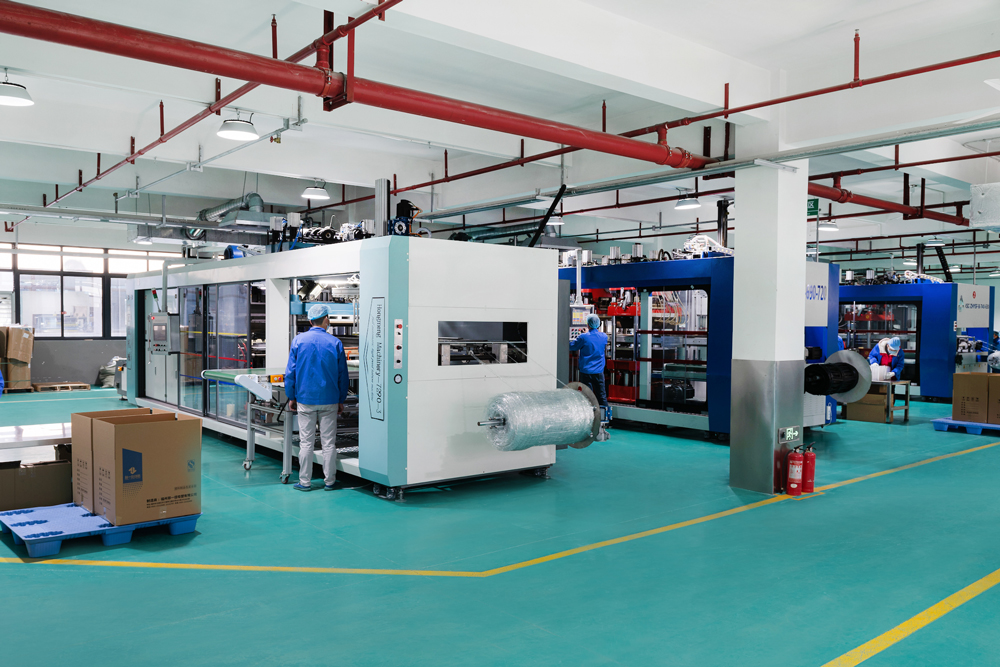
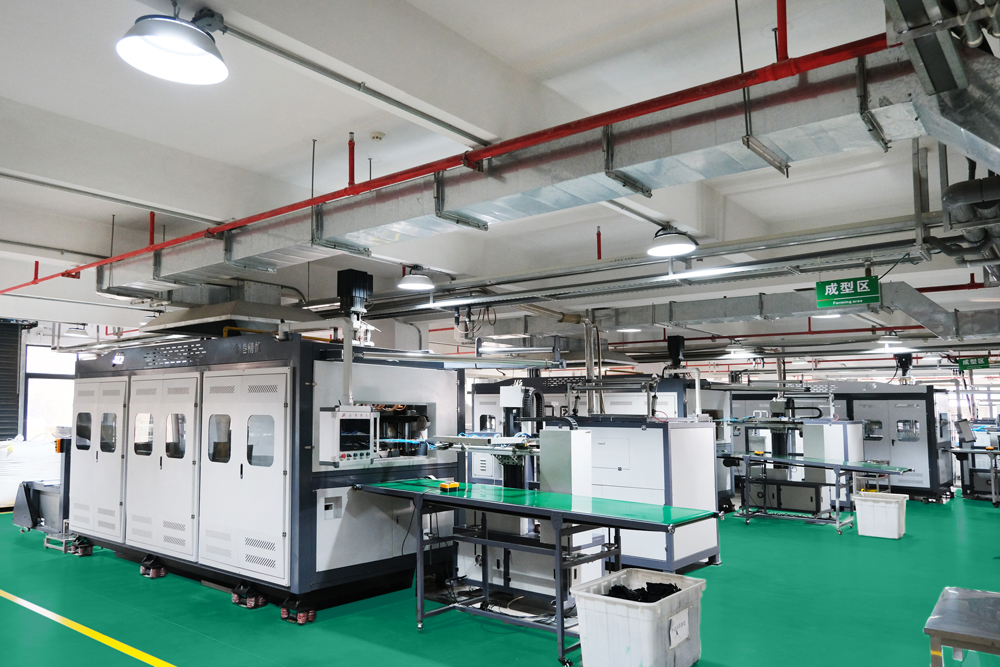
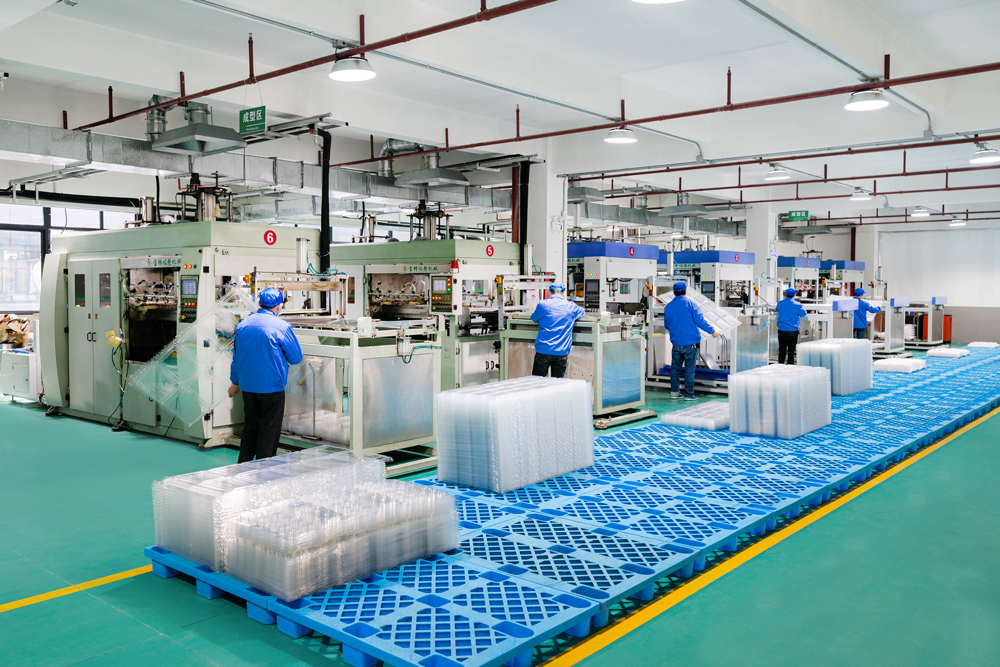
Behind the scenes, the production of deli containers relies on advanced high-speed injection molding and thermoforming technologies. To keep pace with global demand while maintaining cost efficiency, manufacturers are deploying fully automated production lines. Robotics handle everything from raw material feeding and precision molding to quality inspection and automated packaging. This level of automation minimizes human contact, ensuring strict hygiene standards (critical for food-grade packaging) and eliminating structural defects that could cause leaks during delivery.
Professional Food Packaging Solutions Provider specializing in the production of disposable and recyclable food containers.
With 20 years of industry expertise, we are a professional manufacturer focused on the R&D and production of food packaging containers.
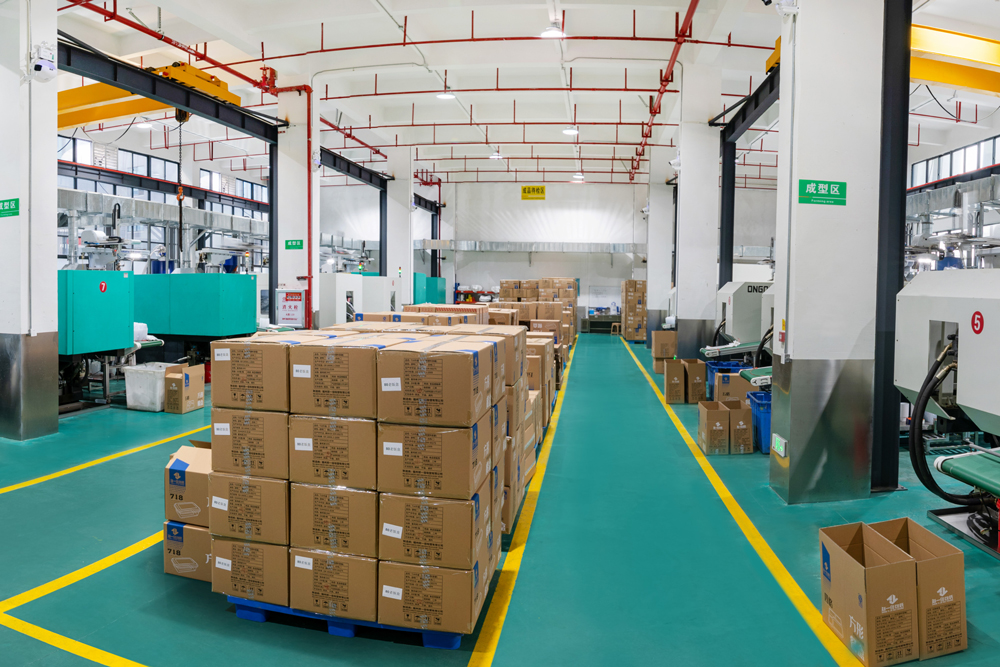
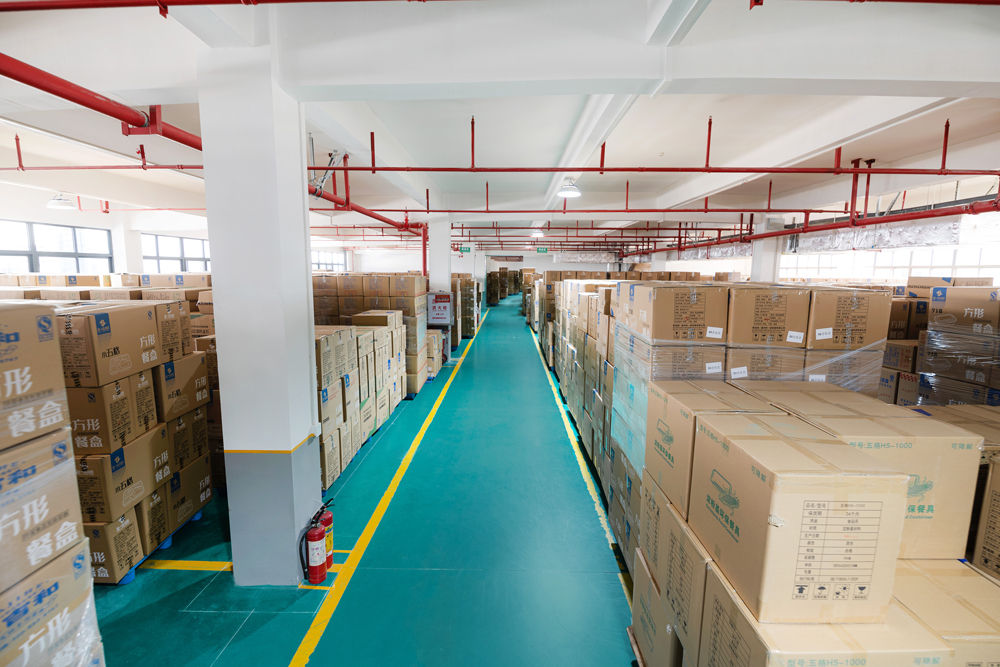
Located in Fuzhou City, Fujian Province, China, we own an 18,000m² modern production base equipped with high-standard clean workshops and over 50 automated production lines, supported by a professional team of more than 100 members.
Backed by our fully integrated production system covering the entire process from raw materials to finished products, we deliver comprehensive control over quality and efficiency across every stage of manufacturing.
We offer a wide range of product series, customized to meet the diverse needs of modern food service operations:


Different foods present unique physical and thermodynamic challenges during delivery. A container designed for a cold salad cannot simply be repurposed for a piping hot noodle soup without risking structural failure or thermal discomfort for the customer. This is why specialized deli containers are engineered for specific delivery and takeout situations.
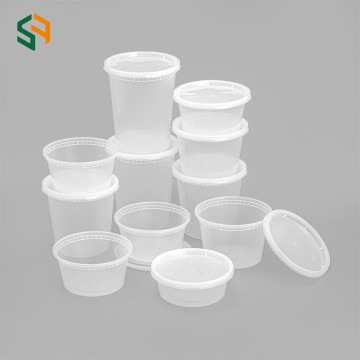
Liquid-heavy dishes require absolute seal integrity. Traditional snap-on lids can easily pop off when containers are stacked or subjected to sudden movements in a delivery vehicle. Modern round deli containers utilize advanced double-seal rims and airtight, leak-resistant lids. Additionally, as hot liquids generate steam, these containers must balance pressure without allowing liquid to escape. Specialized venting systems allow steam to vent slowly, preventing container deformation while ensuring the lid remains securely locked in place.
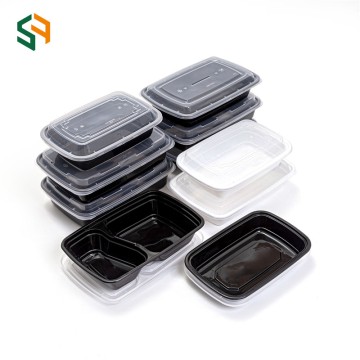
Consumers value convenience above all. The transition from delivery box to dining plate is increasingly bypassed; customers expect to reheat their food directly in the delivery container. Polypropylene (PP) has become the material of choice for this application due to its high melting point (approx. 160°C / 320°F). Our microwavable rectangular takeaway containers allow customers to reheat meals safely without releasing harmful chemicals or losing structural rigidity. This reusability also extends the lifecycle of the container, turning a single-use item into a multi-use household container.
For salads, cold cuts, sushi, and fruit bowls, clarity is paramount. Customers eat with their eyes first, and high transparency is directly linked to perceived freshness. For these applications, PET (Polyethylene Terephthalate) or high-clarity PP is used. These materials offer exceptional optical clarity, allowing the vibrant colors of fresh food to stand out on grocery shelves or inside delivery bags. Furthermore, cold containers must withstand low temperatures without becoming brittle, preventing cracking during transport or storage in commercial refrigerators.
Optimizing the Delivery Supply Chain: By utilizing standardized dimensions and modular stackability, restaurants can pack delivery bags faster and courier drivers can transport multiple orders simultaneously without risk of tipping or crushing. This directly translates to lower delivery costs and faster delivery times.
With over 100 in-house mold systems, we respond quickly to your custom needs and deliver end-to-end packaging solutions.
Committed to exceptional value and uncompromising quality, we directly enhance your customers' satisfaction and strengthen your market position. Our production facility features state-of-the-art thermoforming machines, high-speed injection molds, and cleanroom environments that meet international food safety regulations.
The packaging industry is at a critical juncture. Environmental regulations and consumer awareness are driving a massive push towards sustainability. Single-use plastic bans in various jurisdictions are forcing brands to rethink their packaging strategies. As a result, the future of deli containers lies in circular economy principles and smart materials.
While traditional plastics remain essential for high-heat and liquid-heavy applications, biodegradable materials like PLA (Polylactic Acid) and sugarcane bagasse are gaining significant traction. These materials break down naturally, reducing landfill waste. However, the engineering challenge is maintaining the performance characteristics of plastic—such as grease resistance and thermal stability—using bio-based alternatives. Our R&D team is actively developing hybrid solutions that combine the performance of PP with biodegradable additives to facilitate faster breakdown without compromising transport safety.
Using PCR materials is another highly effective pathway to reduce carbon footprints. By sourcing food-grade recycled plastics, we can close the loop on packaging production. This reduces reliance on virgin fossil fuels and aligns with the sustainability goals of major restaurant chains and global food brands. We continuously invest in advanced purification technologies to ensure that all PCR materials used in our food packaging meet stringent FDA and EFSA food safety standards.
The integration of technology into packaging is an emerging trend. QR codes printed directly on deli containers can provide consumers with detailed information about the food's origin, nutritional facts, and recycling instructions. In the future, we may see the integration of temperature-sensitive indicators that change color if the food falls below safe holding temperatures during delivery, giving consumers peace of mind and helping restaurants monitor courier performance.

We are certified to ISO9001, ISO14001, HACCP, and QS for food-grade packaging. By combining our in-house CNC mold technology with strict quality control, we ensure safety, stability, and reliability of every product.
Our forward-looking approach, reliable quality, and competitive pricing have earned long-term trust from global customers. With years of experience, we deliver high-quality products; through continuous innovation, we drive sustainable development. We are committed to healthy lifestyles and a greener future with sustainable packaging solutions.
Explore our complete, industry-standard catalog optimized for restaurant delivery, takeout, and meal prep operations.