Leave Your Message
High-performance, eco-conscious disposable containers engineered specifically to handle cold distribution temperatures while maintaining optimal presentation for salads and cold meals.
The global food service sector has experienced a profound structural shift over the past decade, accelerated by the exponential growth of online delivery apps, corporate catering, and a collective consumer migration toward healthier eating habits. At the center of this transformation is the humble disposable meal box for cold food storage and salad takeaway. No longer considered a mere container, modern food packaging operates as a critical component in maintaining food safety, preserving nutritional integrity, and representing brand values in transit.
In the commercial landscape, fresh salads, cold-pressed meals, sushi, and pre-packaged deli items present unique storage and transport challenges. Unlike hot foods, which require insulation to retain heat, cold food items must be kept at strict refrigeration temperatures (typically below 4°C / 40°F) to prevent bacterial growth and enzymatic spoilage. Concurrently, packaging materials must withstand condensation, resist structural softening when exposed to high moisture levels, and maintain absolute structural integrity under stacked loading conditions in delivery vehicles.
From an industrial manufacturing perspective, the demand for high-volume, cost-effective, and environmentally sustainable packaging has forced a transition in raw materials and production processes. Manufacturers are shifting away from traditional single-use polystyrene (EPS) toward advanced raw materials like food-grade Polypropylene (PP), Mineral-Filled Polypropylene (MFPP), and biodegradable polymers (PLA and sugarcane bagasse). These materials are chosen not only for their mechanical properties but also for their recyclability and reduced environmental footprint, aligning with stringent global regulations like the European Union's Single-Use Plastics Directive and similar regional mandates across North America and Asia-Pacific.
Specifically engineered to maintain structural integrity and flexibility at low temperatures, preventing cracking or brittleness during storage.
Lids treated with anti-fog coatings prevent condensation build-up, ensuring maximum visual clarity for retail display and consumer appeal.
Utilizing recyclable PP and advanced MFPP compositions to reduce plastic content by up to 40% while maintaining performance.
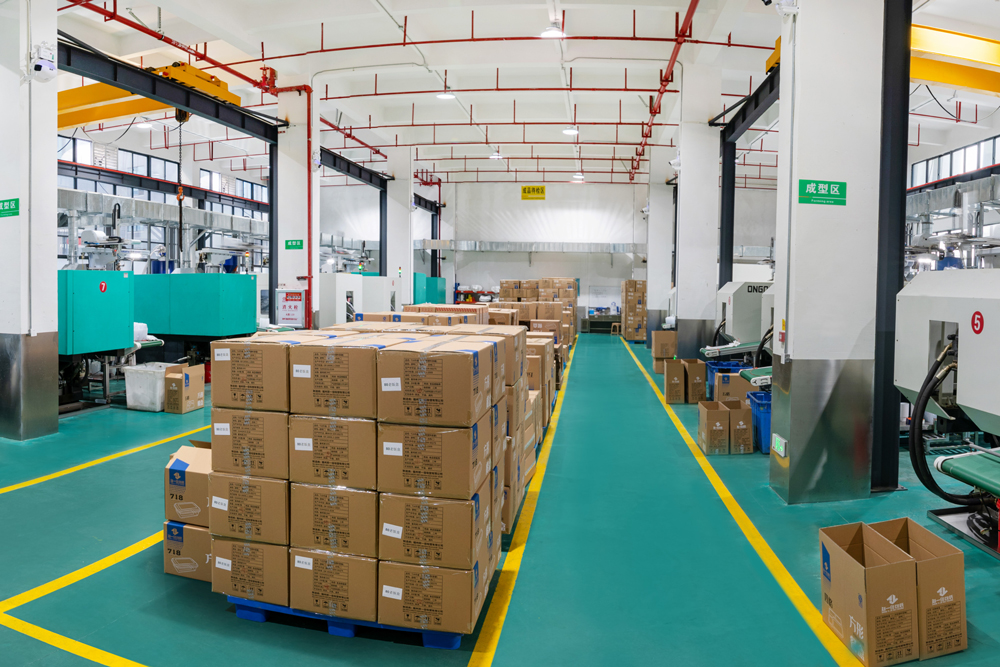
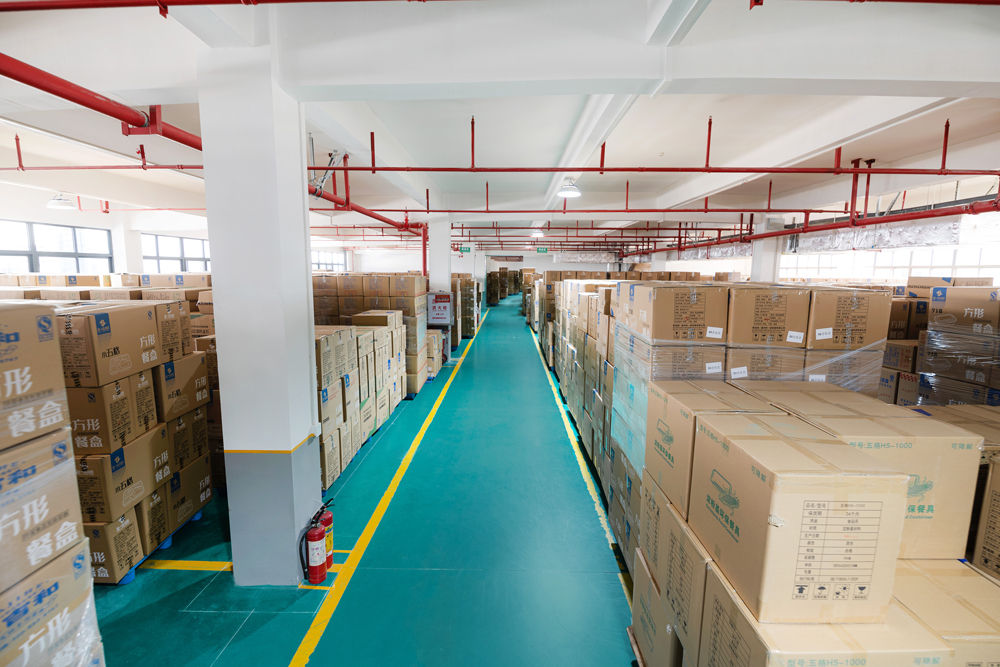
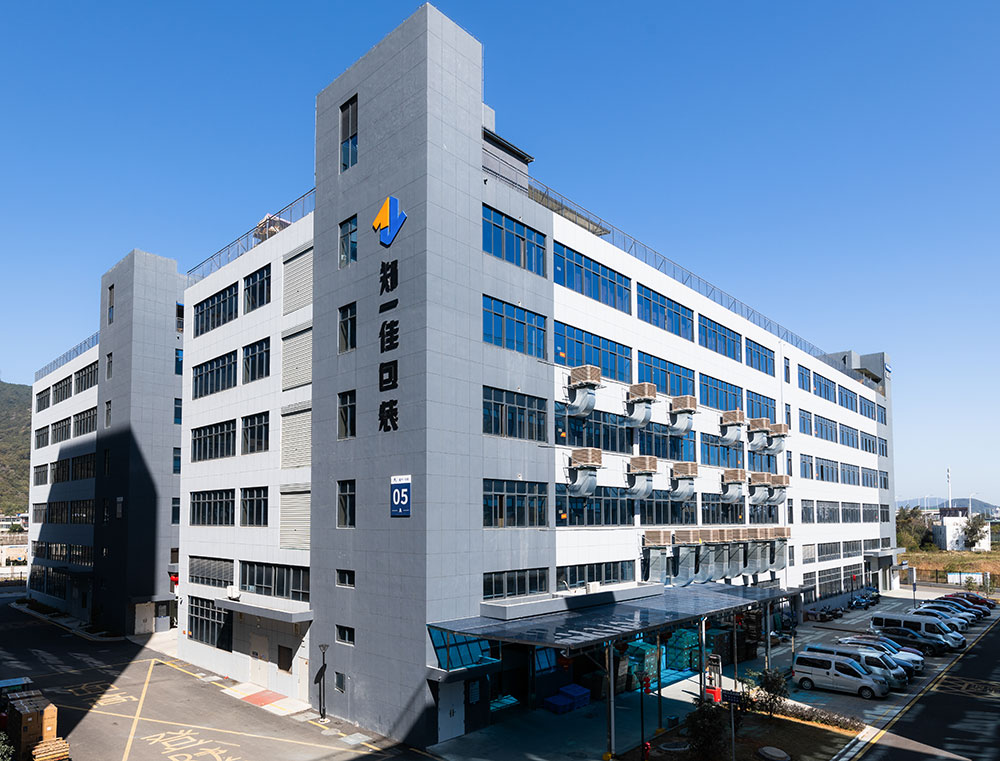
Specializing in the production of disposable and recyclable food containers with global quality standards.
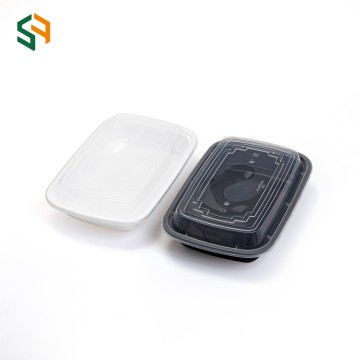
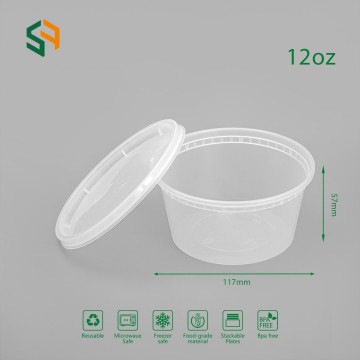
We offer a wide range of product series designed to meet diverse catering, retail, and industrial food packaging requirements:

Cold foods, especially salads containing fresh greens, cucumbers, tomatoes, and dressings, release moisture over time. When stored in a closed environment, this moisture creates a high-humidity microclimate inside the container. Standard paper-based packaging, unless heavily coated with plastic or wax, absorbs this moisture, leading to structural sagging, softening, and eventually, leaks.
Advanced disposable meal boxes for cold food storage solve this by utilizing hydrophobic materials like Polypropylene (PP) or Mineral-Filled Polypropylene (MFPP). These materials possess inherent moisture barriers, keeping the container rigid and secure even when stored in commercial refrigerators for several days. This structural stability is critical for supermarkets and delivery services that stack containers 5 to 10 high on shelves or in transport boxes.
In the retail food industry, consumers eat with their eyes. A salad box with a fogged-up, condensation-covered lid hides the vibrant colors of fresh ingredients, reducing consumer trust and purchase intent. Condensation occurs when warm air inside the container cools rapidly, forming tiny water droplets on the inner surface of the lid.
To counter this, high-quality cold storage containers are equipped with custom-engineered anti-fog lids. These lids are treated with food-safe surfactants that reduce the surface tension of the water droplets, forcing them to spread into a thin, continuous, invisible film of water rather than individual droplets. This ensures crystal-clear visibility of the fresh salad, berries, or cold cuts inside, driving sales in grab-and-go retail environments.
A major challenge in salad takeaway is preventing soggy greens. When salad dressings, proteins (like chicken or tofu), and wet ingredients (like olives or tomatoes) remain in direct contact with leafy greens for extended periods, osmotic pressure draws water out of the leaves, making them limp and unappealing.
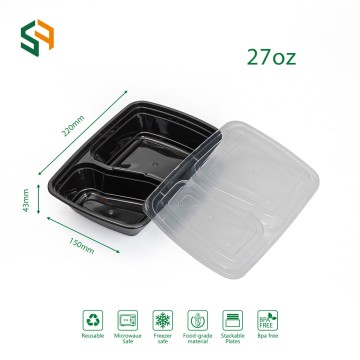
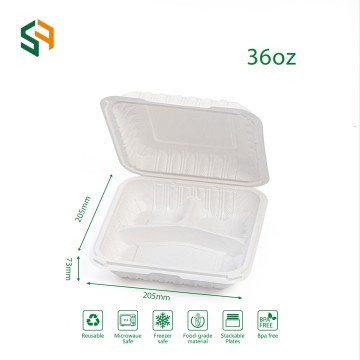
Modern multi-compartment containers, such as two-compartment and three-compartment designs, isolate different food components. Dressings and croutons can be kept separate until the moment of consumption. This compartmentalization not only extends the shelf-life of the salad by up to 48 hours but also enhances the overall dining experience by maintaining the distinct textures and flavors of each ingredient.
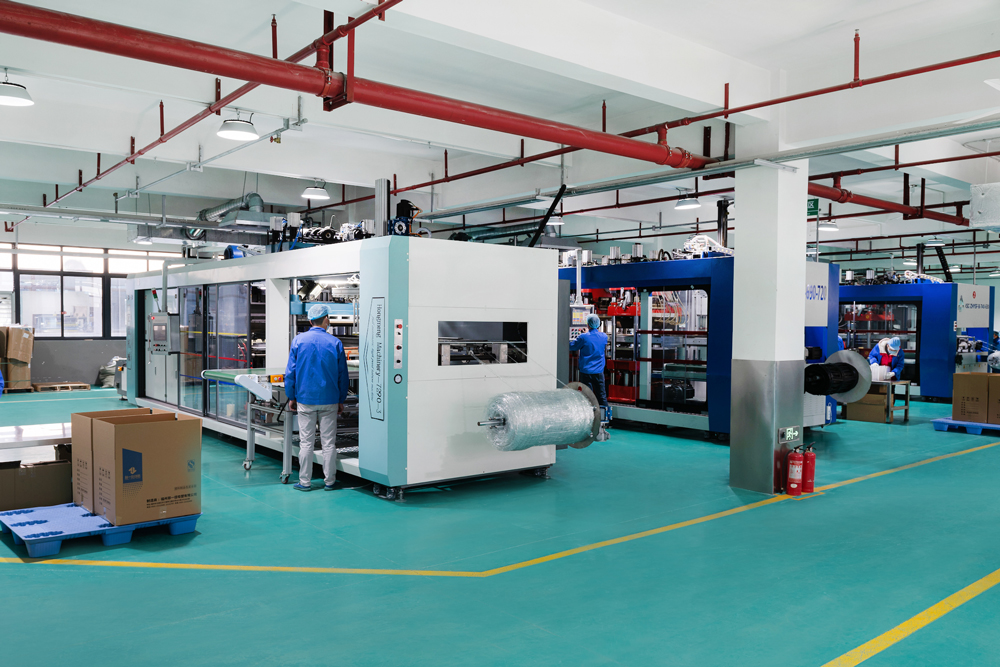
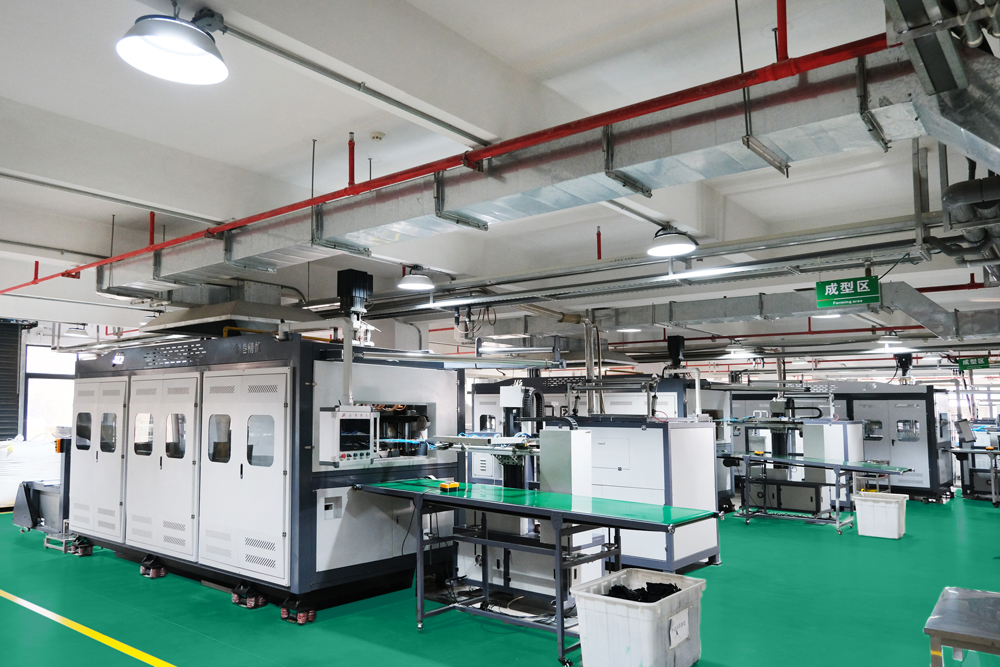
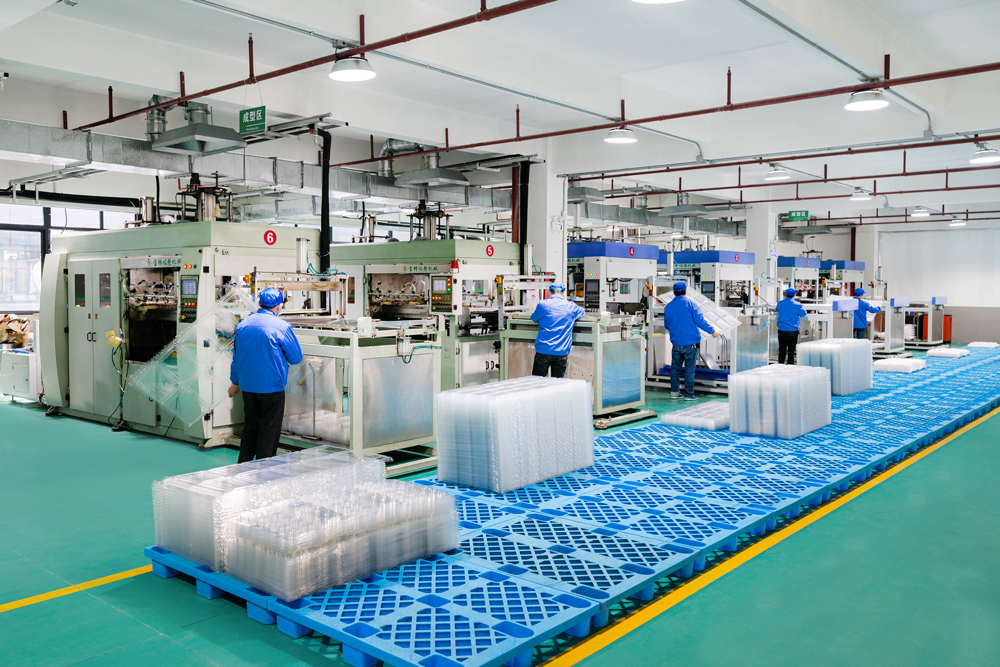
With over 100 in-house mold systems, we respond quickly to your custom needs and deliver end-to-end packaging solutions. Committed to exceptional value and uncompromising quality, we directly enhance your customers' satisfaction and strengthen your market position.
The application of a specialized disposable meal box for cold food storage and salad takeaway spans multiple sectors of the modern food ecosystem. Each scenario demands unique features from the packaging design:
For fast-casual salad chains, speed of assembly and secure transport are paramount. Staff must be able to quickly pack, lid, and bag salads without worrying about lid pop-offs or dressing leaks during delivery. Hinged containers or bowls with secure double-click perimeter seals are the preferred choice here. These designs ensure that even if the container is tilted or shaken during courier transit, the liquid contents remain completely sealed inside.
Supermarkets rely on shelf-life and presentation. Salads, cold pastas, and fruit bowls are prepared in central kitchens and distributed to retail locations. The packaging must withstand cold-chain logistics, including vibrations during transport and temperature fluctuations. Stackability is also critical; containers must have nesting features built into their lids and bases to prevent stacks from sliding off shelves, maximizing retail space efficiency.
Subscription-based meal prep companies deliver weekly or daily batches of cold-stored meals directly to consumers. These containers are stored in home refrigerators for up to 5-7 days. The packaging must maintain its seal to prevent oxidation and keep the food fresh. Additionally, consumers appreciate containers that are microwave-safe, allowing them to heat up meals (if they contain warmable components) without transferring the food to another dish. Polypropylene (PP) is highly valued in this scenario because of its wide temperature tolerance (-20°C to 120°C).
For corporate events, aesthetic appeal is crucial. Standard takeaway boxes do not match the premium nature of business catering. Sleek, matte-finish, black-base containers with ultra-clear lids elevate the presentation of cold appetizers, gourmet salads, and desserts, acting as an extension of the caterer's brand quality.
We are certified to ISO9001, ISO14001, HACCP, and QS for food-grade packaging. By combining our in-house CNC mold technology with strict quality control, we ensure safety, stability, and reliability of every product.
Our forward-looking approach, reliable quality, and competitive pricing have earned long-term trust from global customers. With years of experience, we deliver high-quality products; through continuous innovation, we drive sustainable development. We are committed to healthy lifestyles and a greener future with sustainable packaging solutions.
Our manufacturing processes integrate energy-efficient injection molding and thermoforming machinery, minimizing carbon emissions per unit produced. We also actively recycle post-industrial scrap back into non-food contact product streams, ensuring a circular manufacturing loop.
As the packaging industry evolves, several key trends are shaping the future of disposable meal boxes for cold food storage and salad takeaway:
MFPP represents a significant leap forward in eco-friendly plastic packaging. By blending natural minerals (like talc or calcium carbonate) with polypropylene resin, manufacturers can reduce plastic use by up to 40% while improving the structural strength, heat resistance, and degradation properties of the container. MFPP containers are fully recyclable, microwave-safe, and offer excellent resistance to cold temperatures, making them highly popular for sustainable cold food distribution.
With the growth of smart logistics, packaging is becoming interactive. Brands are printing QR codes directly on lids or bases to provide consumers with traceability information, nutritional values, ingredient sources, and recycling instructions. In cold chain logistics, smart labels with color-changing indicators are being tested to monitor whether food has been kept at the correct temperature during transit, giving consumers peace of mind regarding food safety.
As urban delivery costs rise, space optimization is key. Future packaging designs focus on maximizing internal volume while minimizing external dimensions. Nested stacking designs save storage space in warehouse and restaurant kitchens, while modular shapes allow delivery drivers to pack more orders into thermal transport bags, increasing delivery efficiency.
Explore our full selection of high-durability, food-safe disposable containers designed for cold storage, salad takeaway, and general food service distribution.