



Leave Your Message
High-performance, leak-resistant container systems engineered for high-volume commercial kitchens and delivery networks.
The global food service sector is experiencing a rapid paradigm shift. Driven by digitization, changing consumer habits, and the exponential rise of delivery-only models, the reliance on high-quality food packaging has never been more critical. At the core of this transformation are disposable plastic boxes for food. No longer merely a vessel for transport, modern food packaging serves as a critical touchpoint for brand identity, food safety, thermal preservation, and environmental responsibility. In commercial food services and high-velocity cloud kitchens, the choice of packaging directly impacts operational efficiency, customer satisfaction, and overall profitability.
Cloud kitchens operate on high-speed, delivery-only logistics. Packaging is no longer just a container; it is the physical link between the chef's kitchen and the customer's dining room table, directly preserving food quality, temperature, and presentation.
Cloud kitchens (also known as ghost kitchens, dark kitchens, or virtual kitchens) operate purely on delivery and takeout models. Free from the overhead costs of traditional dine-in spaces, these facilities optimize every square inch for food preparation and rapid dispatch. Consequently, the demands placed on packaging are incredibly stringent. Containers must be stackable without crushing, leak-proof to withstand bumpy delivery rides on motorcycles, and thermally efficient to keep meals hot or cold during transit times that can exceed 30 minutes.
Disposable plastic boxes, particularly those manufactured from high-grade Polypropylene (PP) and bio-based composites, have emerged as the gold standard. Their structural integrity, resistance to high temperatures, and cost-effectiveness make them indispensable. In high-velocity commercial kitchens where speed is paramount, the design of a plastic box—such as easy-snap lids, nesting capabilities for space optimization, and standardized sizes—can save valuable seconds during peak hours. Furthermore, the global market is witnessing a shift towards smarter inventory management, where food service operators seek unified packaging solutions that can serve multiple menu items, thereby reducing storage overhead.
Different food concepts utilize these advanced disposable plastic packaging solutions in specialized ways to optimize performance:
In virtual kitchens where multiple brands operate under one roof, standardization is key. Multi-compartment rectangular plastic meal containers allow operators to package complex meals with separate mains and sides, preventing flavor mixing and maintaining presentation. These containers must withstand rapid stacking, as delivery drivers often carry multiple orders simultaneously.
For fast-casual chains, speed and presentation are vital. Crystal-clear PP bowls and leak-proof round containers showcase the freshness of ingredients, making them ideal for salads, grain bowls, and hot soups. The anti-fogging technology applied to lids ensures that condensation does not obscure the customer's view of the food.
The meal prep industry relies heavily on portion control and preservation. Disposable rectangular plastic lunch boxes with airtight seals extend the shelf life of chilled meals. These containers must be microwave-safe and freezer-safe, allowing consumers to transition the meal from the refrigerator directly to the microwave without transferring it to another dish.
Large-scale catering operations require containers that can handle high-temperature foods directly from the cooking line. High-grade PP plastic boxes can withstand temperatures up to 120°C, ensuring they do not warp, melt, or leach harmful chemicals when filled with hot gravies, stews, or freshly fried foods.
As the demand for disposable packaging grows, so does the scrutiny on its environmental impact. The packaging industry is responding with major innovations in material science. Traditional petroleum-based plastics are being optimized or replaced with sustainable alternatives.
Looking ahead, several key trends are set to define the future of disposable food packaging:
1. Automation-Ready Designs: As commercial kitchens and packaging facilities adopt robotic arms and automated filling lines, packaging must be designed for machine compatibility. Consistent dimensions, predictable denesting forces, and rigid rims are essential for smooth automated handling.
2. Smart Packaging Integration: The integration of QR codes, temperature indicators, and freshness sensors on plastic boxes is becoming more common. This allows consumers to verify the sourcing of their food and ensures that the meal has stayed within safe temperature zones throughout delivery.
3. Circular Economy and Closed-Loop Recycling: Governments worldwide are implementing stricter regulations on single-use plastics. The industry is moving towards a circular economy where disposable boxes are designed to be easily sorted, washed, and recycled back into food-grade or industrial-grade plastic products.
4. Aesthetic and Branding Customization: Packaging is the silent ambassador of a brand. Custom colors, embossed logos, and sleek geometric shapes help cloud kitchens establish a premium brand identity in a crowded digital marketplace.
To be your trusted partner in sustainable food packaging – delivering high-value products, reliable quality, and excellent service.
With years of experience in disposable tableware, we use 100% compostable, bio-based, and biodegradable materials to reduce fossil fuel dependency. Precision manufacturing ensures every container is durable, safe, and able to return to nature responsibly.
We are committed to a greener future – helping you serve meals in a way that protects both health and the planet.
Our operational history from 2005 to 2026 showcases a journey of technological advancement, automation, and sustainable manufacturing excellence.
Explore our full line of food packaging options designed for commercial reliability and environmental sustainability.
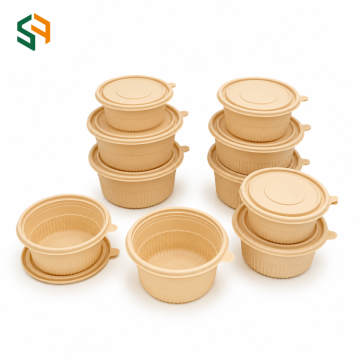 Eco-Friendly Corn Starch Round Takeaway Food Bowls
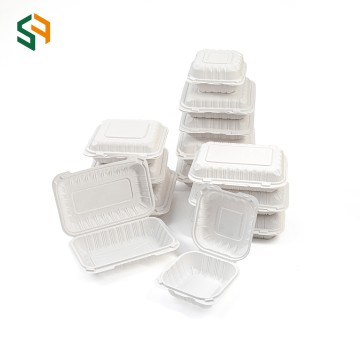 Pressure Proof White Clamshell Plastic Hinged Container
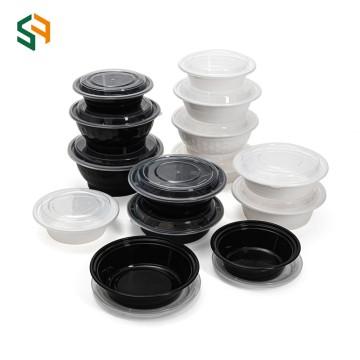 Restaurant Round PP Plastic Bowl For Food Packaging
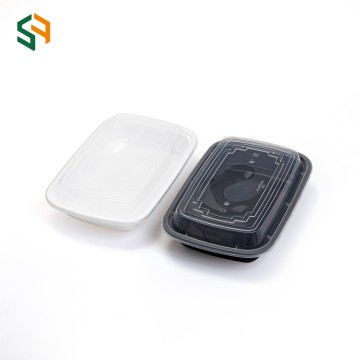 Disposable Rectangular Plastic Lunch Box For Food Packaging
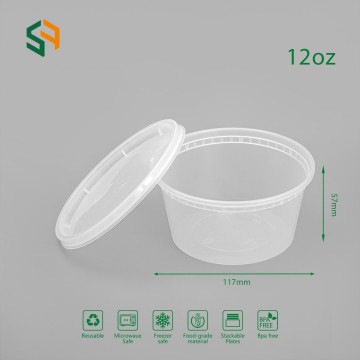 Disposable Round Plastic PP Cups with Lids
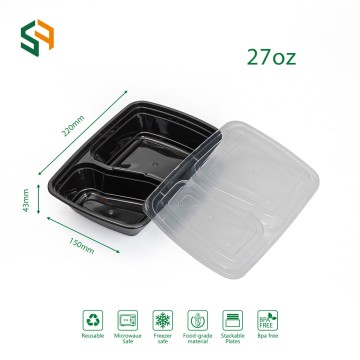 Two Compartment Rectangular Plastic Meal Container
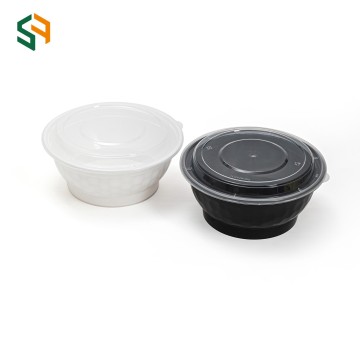 Disposable Leak-Proof Round PP Plastic Bowl
Eco-Friendly Corn Starch Round Takeaway Food Bowls (Bulk)