Leave Your Message
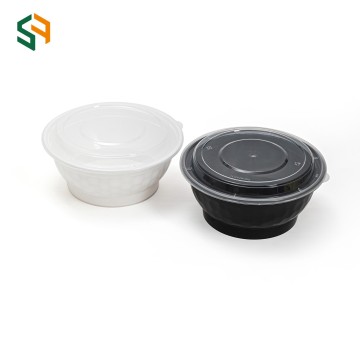
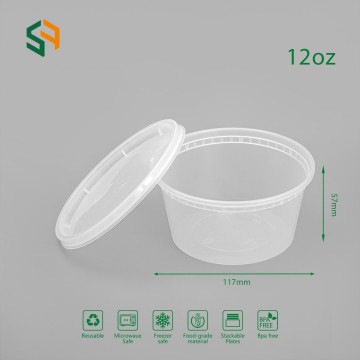
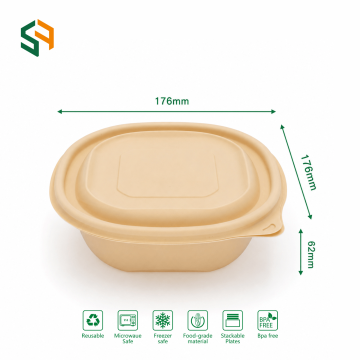
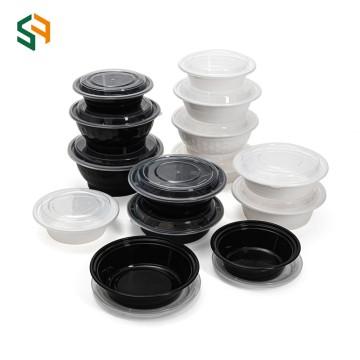
The global foodservice and retail landscape is undergoing an unprecedented structural transformation driven by the rapid expansion of Central Kitchens (Commissary Kitchens), Ghost Kitchens, and Ready-to-Eat (RTE) frozen meal distribution networks. In an era where operational efficiency, food safety standardization, and labor cost optimization dictate market survival, food brands are shifting culinary production away from fragmented storefront kitchens into centralized, highly automated industrial facilities. At the very core of this industrial ecosystem lies an often-underestimated technological component: Disposable Take Out Food Containers For Frozen Food Distribution And Central Kitchens.
Unlike traditional restaurant takeout packaging—which only needs to survive a 30-minute warm transit—containers deployed in central kitchen distribution must endure extreme thermodynamic and mechanical stress. A single container must seamlessly transition from high-temperature hot-filling (+95°C) to rapid blast-chilling or cryogenic spiral freezing (-40°C), followed by palletized cold-storage warehousing, multi-node refrigerated transport, retail display, and finally, consumer microwave or steam-oven regeneration (+120°C). Standard off-the-shelf plastics suffer from severe structural embrittlement at sub-zero temperatures, leading to catastrophic cracking during B2B transit, seal failure, freezer burn, and costly supply chain waste.
Engineered with copolymer impact modifiers, our food-grade Polypropylene (PP) and modified cornstarch biocomposites prevent molecular crystallization at -40°C. This eliminates drop-impact shattering during frozen pallet handling while maintaining full microwave structural integrity up to 120°C without warping or leaching chemical plasticizers.
Central kitchens rely on robotic denesting, automated volumetric dosing, and inline heat-sealing or snap-lidding machinery. Our CNC-machined molds guarantee dimensional tolerances within ±0.15mm, ensuring zero jamming on high-speed conveyors, uniform flange flatness for hermetic lidding films, and optimized draft angles for effortless denesting.
Addressing global ESG mandates, our corn-starch biodegradable containers bridge the gap between sustainability and industrial functionality. Formulated with natural mineral reinforcements, they resist moisture absorption in high-humidity cold rooms and provide oil-proof, leak-proof performance for B2B catering and retail meal kits.
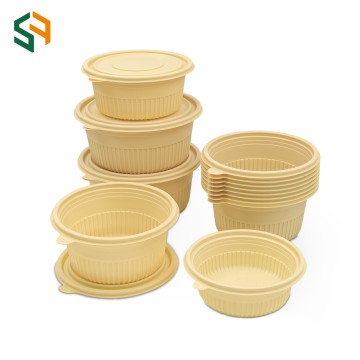
For QSR (Quick Service Restaurant) and fast-casual chains operating hundreds of outlets, maintaining identical flavor profiles for broths, curries, gravies, and marinades requires centralized cooking. Once prepared in industrial kettles, these liquids are pumped into Disposable Leak-Proof Round PP Plastic Bowls and Cups. The packaging must withstand immediate blast-freezing where liquid expansion occurs. Our containers feature engineered expansion ribs and flexible yet tear-resistant wall geometries that accommodate the 9% volume expansion of water turning into ice without rupturing the bottom base or popping the snap-fit lid. Upon arrival at satellite kitchens, staff simply thaw and portion directly from the hygienic container.
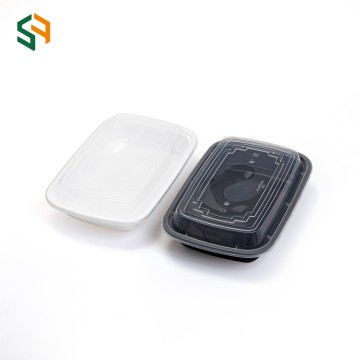
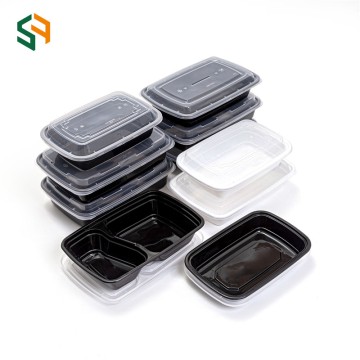
The consumer retail sector for frozen and chilled ready-meals has exploded alongside instant grocery delivery platforms. In this scenario, the container serves both as an industrial logistics vessel and the final consumer-facing dining ware. Recyclable Rectangular Microwavable Takeaway Containers With Clear Lids play a vital role here. High-clarity anti-fog lids allow visual merchandising in supermarket freezers, while modular rectangular footprints maximize cubic space utilization inside insulated cold-chain tote boxes and refrigerated trucks—reducing logistics carbon footprints by up to 18% compared to non-modular round packaging.
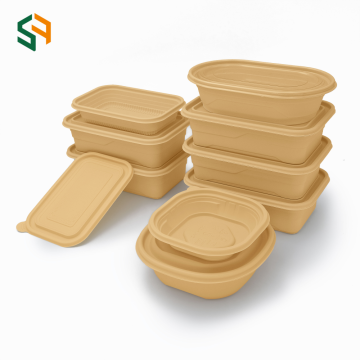
Institutional catering demands strict adherence to HACCP protocols, trace-contaminant safety, and rapid regeneration cycles. Central kitchens supplying airlines, high-speed rail networks, hospitals, and corporate campuses utilize Food-Grade Corn Starch-Based Square Takeaway Meal Boxes and multi-compartment rectangular lunch boxes. These containers prevent cross-contamination of flavors between main proteins, starches, and side vegetables during turbulent transit. Furthermore, their stackable interlocking rim designs allow catering trolleys to transport hundreds of meals vertically without crushing the bottom layers.
Looking toward 2026 and beyond, the convergence of AI-driven supply chain management and material science is reshaping disposable food packaging. Key trends include: Modified Atmosphere Packaging (MAP) integration, where PP trays are engineered with high-barrier EVOH co-extruded layers or specialized sealing rims to lock in nitrogen/CO2 gas mixtures, extending chilled shelf life from 3 days to 15+ days without preservatives; Smart QR/RFID Thermal Tracking, where flat lid surfaces are optimized for high-speed laser etching or thermal-transfer barcode printing to track batch expiration across cold chain nodes; and Mono-Material Recyclability, ensuring that both container bases and lids are manufactured from 100% unified PP resin or certified compostable biopolymers to streamline post-consumer recycling streams.
With 20 years of industry expertise, we are a professional manufacturer focused on the R&D and production of food packaging containers.
Located in Fuzhou City, Fujian Province, China, we own an 18,000m² modern production base equipped with high-standard clean workshops and over 50 automated production lines, supported by a professional team of more than 100 members.
Backed by our fully integrated production system covering the entire process from raw materials to finished products, we deliver comprehensive control over quality and efficiency across every stage of manufacturing.


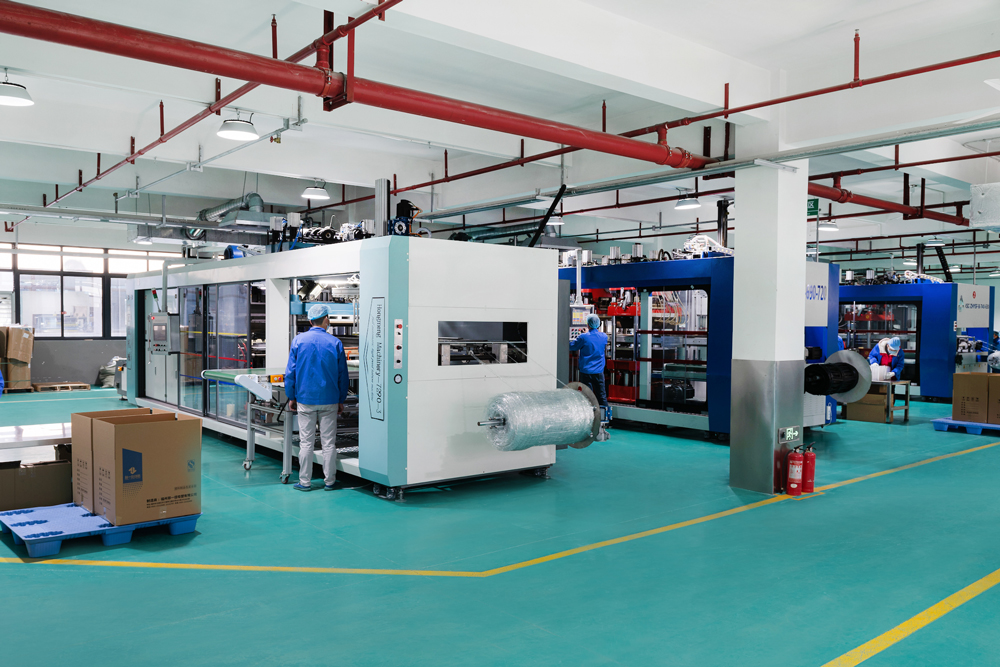
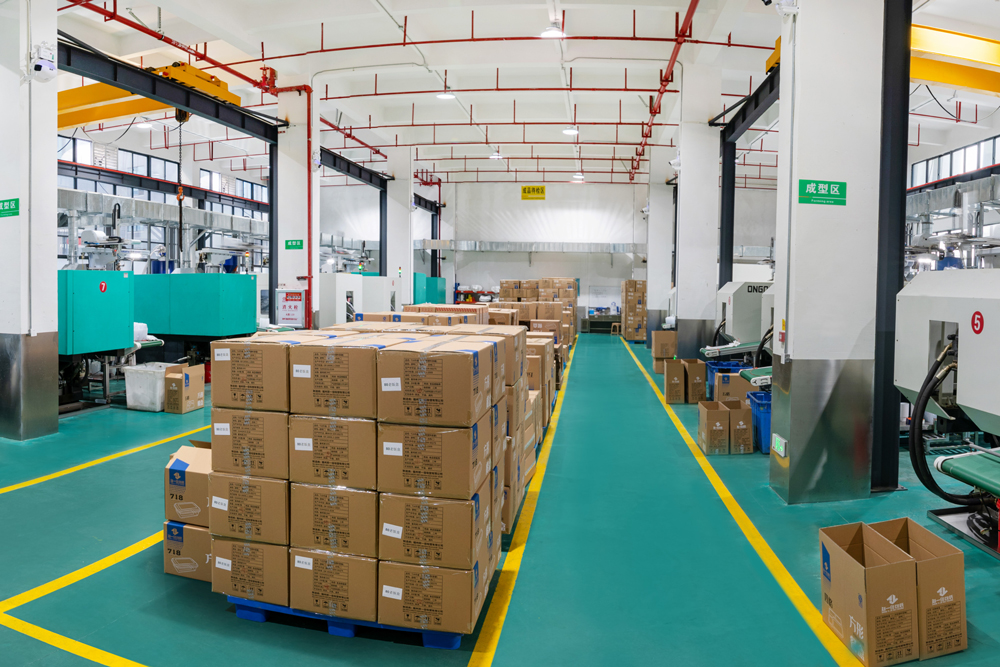
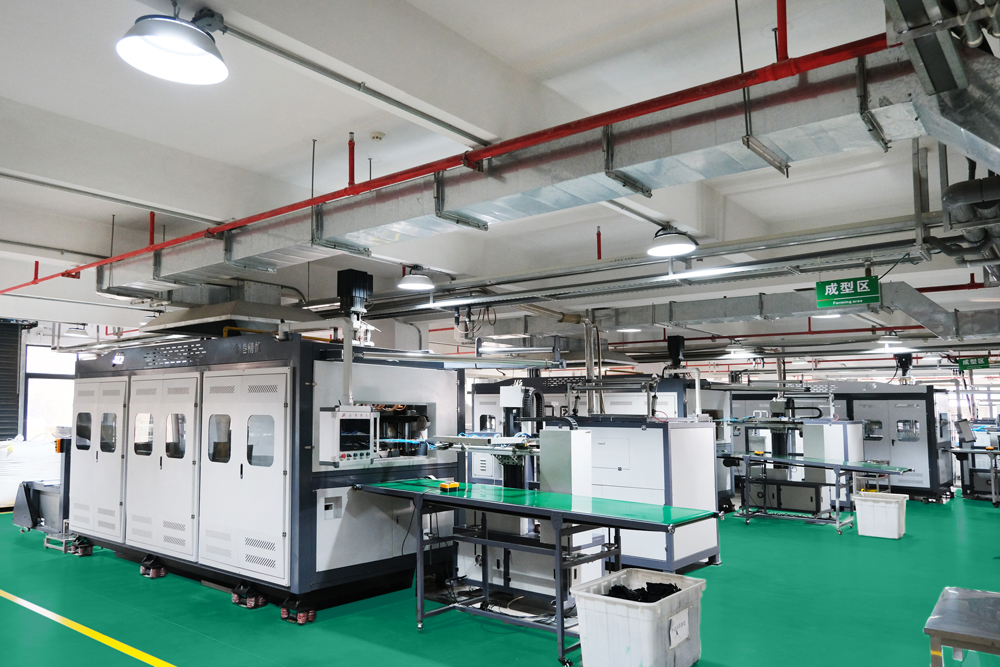
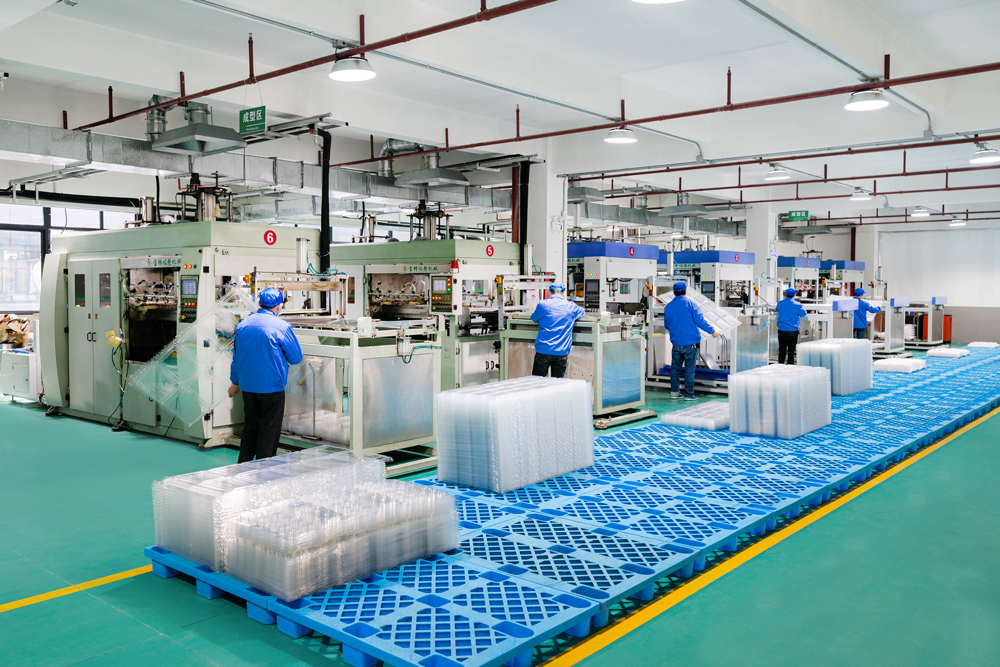
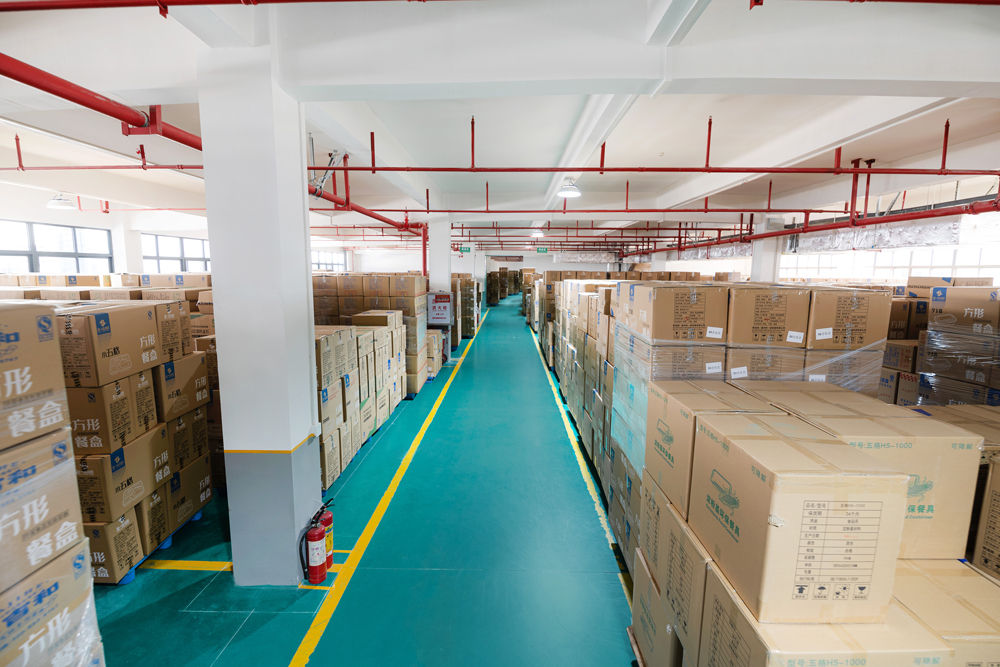
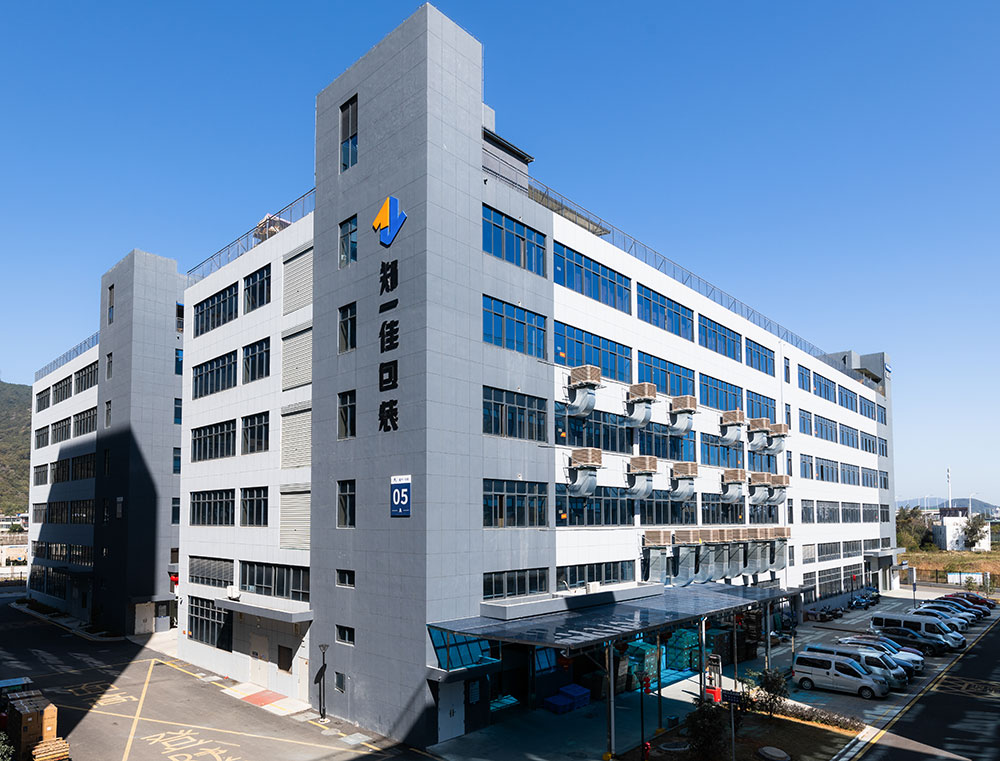
We are certified to ISO9001, ISO14001, HACCP, and QS for food-grade packaging. By combining our in-house CNC mold technology with strict quality control, we ensure safety, stability, and reliability of every product.
Our forward-looking approach, reliable quality, and competitive pricing have earned long-term trust from global customers. With years of experience, we deliver high-quality products; through continuous innovation, we drive sustainable development. We are committed to healthy lifestyles and a greener future with sustainable packaging solutions.
For central kitchens and frozen food distributors operating under stringent international food safety audits, our vertically integrated cleanroom manufacturing eliminates microbial and particulate contamination risks from resin extrusion to thermoforming and automated stacking.
When procuring Disposable Take Out Food Containers For Frozen Food Distribution And Central Kitchens at scale, supply chain directors and packaging engineers must evaluate four critical technical parameters beyond unit price:
1. Polymer Glass Transition & Melt Flow Index (MFI): Standard homopolymer PP becomes brittle around 0°C. For deep-freeze distribution (-18°C to -40°C), specifying random copolymer or block copolymer PP—or mineral-fortified cornstarch blends—is mandatory to maintain Izod impact strength during cold-storage order picking and automated sorting.
2. Lid-to-Rim Seal Mechanics & Venting: Temperature fluctuations between hot-filling and blast-chilling create internal vacuum pressure differentials. If a lid seal is poorly engineered, negative pressure will either implode the container walls or pop the lid open. Our dual-lock recessed snap lids and flat heat-sealable flanges accommodate pressure differentials while offering optional steam-release micro-vents for consumer microwave heating.
3. Thermal Conductivity & Blast-Freezer Airflow Optimization: In spiral and tunnel blast freezers, residence time directly impacts electricity consumption and ice-crystal size in food tissue. Containers designed with uniform wall thickness distribution and recessed base channels promote laminar cold-air circulation across all surfaces, accelerating core temperature pull-down by up to 15% and preserving authentic culinary texture upon regeneration.
4. Custom Tooling & Brand Differentiation: Utilizing our 100+ in-house CNC mold systems, central kitchens and frozen meal brands can customize embossing, compartment dividers, and structural ribs tailored to their exact automated filling nozzle spacing and cold-chain crate dimensions.