Leave Your Message
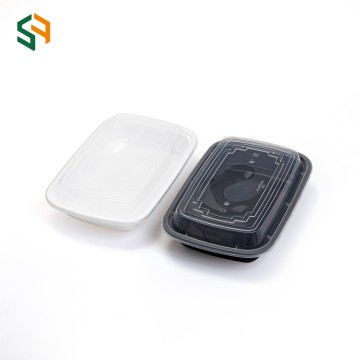
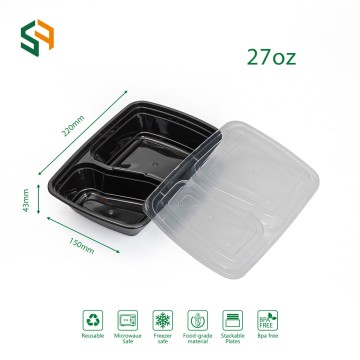
Engineered for secure sealing, structural strength, and outstanding microwave heat distribution.
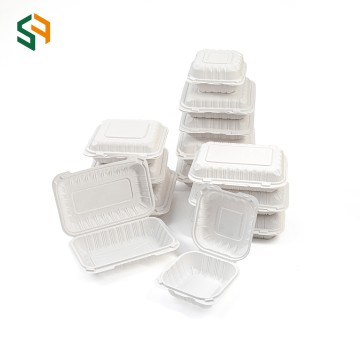
The global ready-to-eat (RTE) food sector is experiencing a monumental transformation, driven by shifts in consumer lifestyles, rapid urbanization, and the rise of convenience-focused dining. As consumers demand high-quality, hot meals that can be prepared in minutes, the packaging industry has had to evolve far beyond simple containment. Hinged plastic packaging has emerged as the definitive standard for microwavable hot food, combining structural integrity, heat resistance, and unparalleled convenience.
Industrially, the transition to hinged configurations represents a major efficiency gain for food processors and packaging lines. Historically, separate bases and lids led to elevated inventory management costs, higher risks of lid mismatching, and slower packing speeds. Hinged designs resolve these pain points by integrating the entire closure system into a single, cohesive unit. This single-piece design streamlines high-speed automated packing lines, reduces shipping volumes, and minimizes the physical footprint required in commercial kitchens and retail environments.
Key Industrial Trend: The global demand for microwavable Polypropylene (PP) hinged containers is projected to grow significantly as quick-service restaurants (QSRs), convenience store chains, and institutional catering operations seek to minimize material handling errors while maximizing sealing reliability under high temperatures.
From a commercial standpoint, modern consumer behavior prioritizes safety and mess-free handling. With the explosion of third-party food delivery services and grab-and-go options in supermarkets, packaging must perform under extreme conditions. It must withstand the thermal shock of going from refrigerated display cases directly into high-wattage microwave ovens, all while maintaining its shape, preventing leaks, and remaining safe to touch for the consumer. Hinged plastic containers engineered from premium food-grade PP provide exactly this balance of strength, safety, and operational simplicity.
In the realm of microwavable packaging, material selection is critical to ensuring food safety and package performance. While alternative plastics like PET (Polyethylene Terephthalate) and PS (Polystyrene) are excellent for cold applications, they fail when subjected to the temperatures required to reheat hot food. PET typically deforms at temperatures around 65°C (149°F), and PS can release harmful compounds when heated. Polypropylene (PP), however, boasts a melting point of approximately 160°C (320°F), making it uniquely suited for microwave applications.
PP's chemical composition allows it to remain inert and stable when exposed to hot oils, fats, and acidic foods, which are common in ready-to-eat meals. This resistance prevents chemical migration from the container into the food, ensuring compliance with strict global food safety standards (such as FDA and EFSA regulations). Furthermore, PP is highly flexible, which prevents the hinged joint from cracking or fatiguing after repeated openings and closings.
To enhance performance and sustainability, advanced manufacturers are utilizing mineral-filled PP. By blending natural minerals (such as talc or calcium carbonate) into the PP matrix, the package's rigidity is increased, and its reliance on fossil-based polymers is reduced. This results in a container that heats more evenly in the microwave, maintains its structural stiffness when loaded with heavy food items, and offers a lower overall carbon footprint.
Professional Food Packaging Solutions Provider Specializing in Disposable & Recyclable Food Containers
With 20 years of industry expertise, we are a professional manufacturer focused on the R&D and production of food packaging containers. Located in Fuzhou City, Fujian Province, China, we own an 18,000m² modern production base equipped with high-standard clean workshops and over 50 automated production lines, supported by a professional team of more than 100 members.
Backed by our fully integrated production system covering the entire process from raw materials to finished products, we deliver comprehensive control over quality and efficiency across every stage of manufacturing.
Hinged plastic microwavable containers are utilized across a diverse array of commercial food sectors, each demanding unique performance characteristics:
These varied applications underscore the need for precision engineering. The combination of structural ribbing, reliable hinges, and steam-release technologies allows hinged PP packaging to perform consistently across all sectors, protecting food quality from preparation to final consumption.
We offer a wide range of product series designed to meet diverse global packaging requirements:


Creating a high-performance microwavable container requires precise engineering. The hinge must balance flexibility and durability, allowing the lid to open and close repeatedly without failing. If the hinge is too rigid, it may crack during shipping or handling; if it is too soft, the lid may not align correctly with the base, compromising the seal.
Modern thermoforming and injection molding techniques align the polymer molecules along the hinge line, creating a "living hinge" with exceptional flex life. This ensures the container remains intact from the packaging line to the consumer's microwave.
In addition to the hinge, the perimeter locking mechanism is vital. Double-click or button-lock mechanisms provide tactile and audible feedback when sealed, giving packaging operators and consumers confidence that the container is closed. Many advanced hinged designs also feature built-in steam venting channels. These channels allow steam to escape during microwave heating, preventing pressure buildup and lid ballooning, while retaining enough moisture to keep the food from drying out.
With over 100 in-house mold systems, we respond quickly to your custom needs and deliver end-to-end packaging solutions. Committed to exceptional value and uncompromising quality, we directly enhance your customers' satisfaction and strengthen your market position.
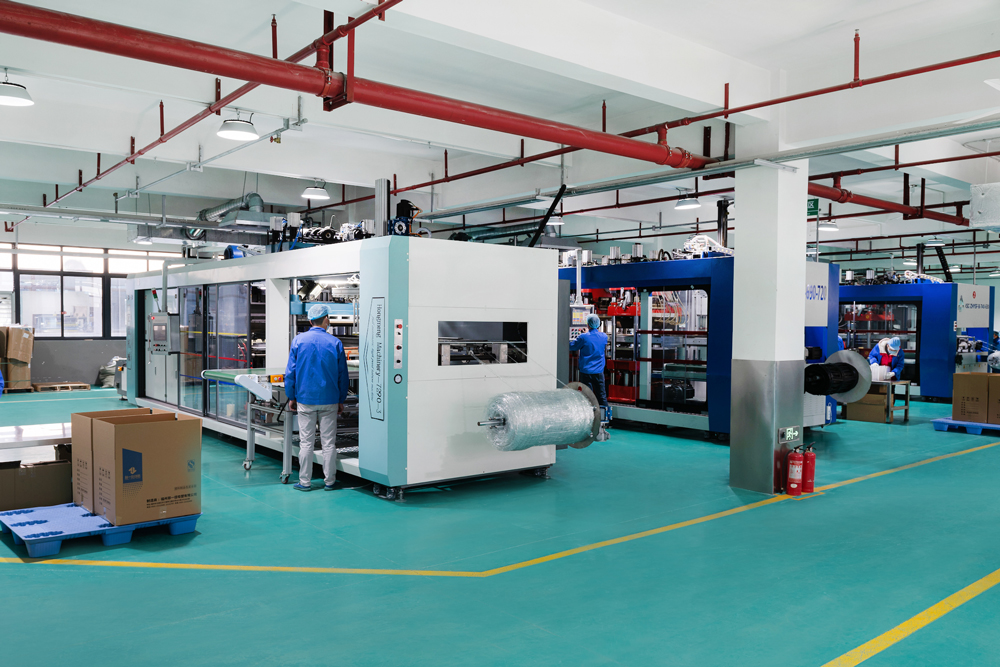
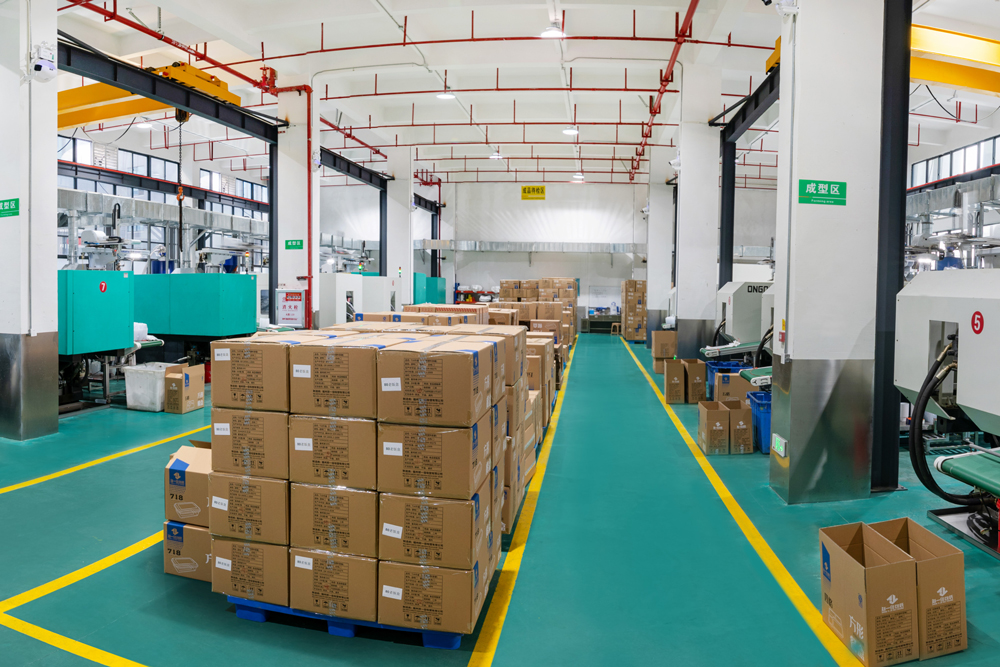
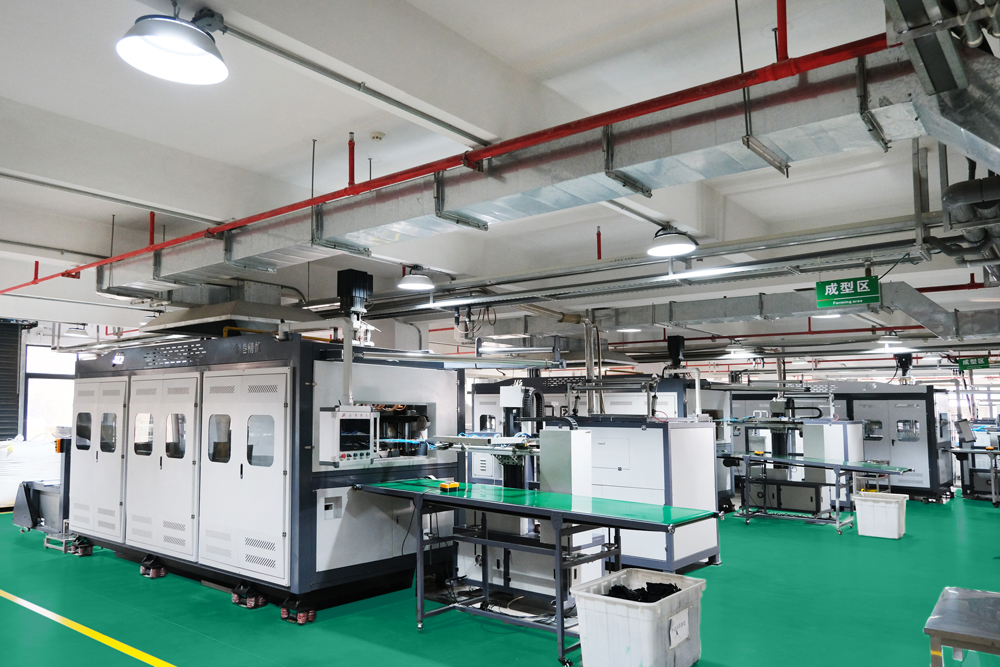
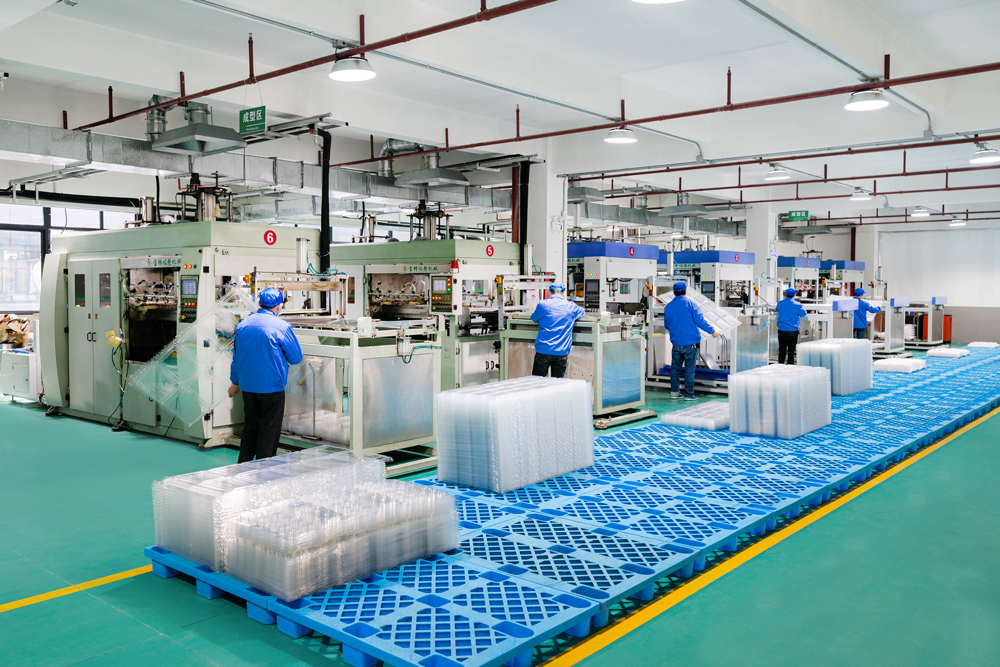
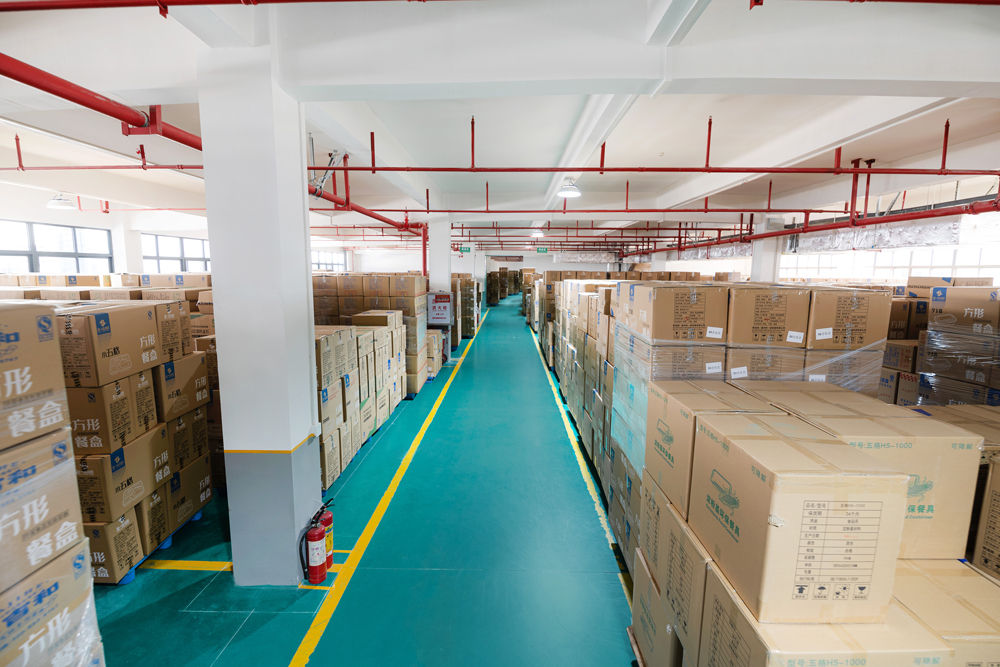
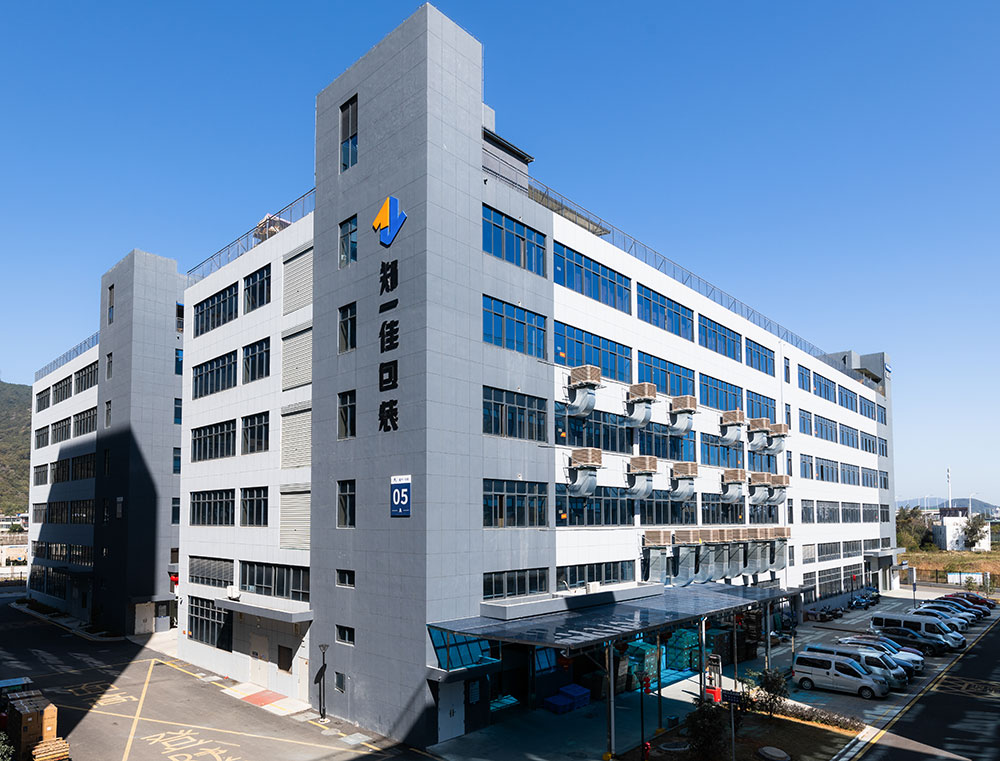
We are certified to ISO9001, ISO14001, HACCP, and QS for food-grade packaging. By combining our in-house CNC mold technology with strict quality control, we ensure the safety, stability, and reliability of every product.
Our forward-looking approach, reliable quality, and competitive pricing have earned long-term trust from global customers. With years of experience, we deliver high-quality products; through continuous innovation, we drive sustainable development. We are committed to healthy lifestyles and a greener future with sustainable packaging solutions.
As environmental awareness grows, the food packaging industry is actively working to reduce its ecological impact. Polypropylene (PP) is highly recyclable (bearing the Resin Identification Code 5), making it a valuable material within the circular economy. Modern recycling facilities can efficiently process PP containers into PCR (Post-Consumer Recycled) resins, which can then be reused in non-food applications or, when properly purified, back into food-grade packaging.
To support global sustainability goals, our R&D efforts focus on lightweighting containers. By using advanced molding technologies and structural optimizations, we can reduce the plastic content of each container without sacrificing its strength or thermal resistance. Additionally, we are exploring bio-based PP alternatives derived from renewable plant oils, which offer the same performance as traditional petroleum-based plastics while reducing greenhouse gas emissions during production.
Explore our full range of high-performance, food-grade packaging solutions.