Leave Your Message
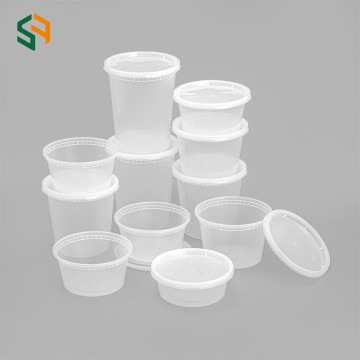
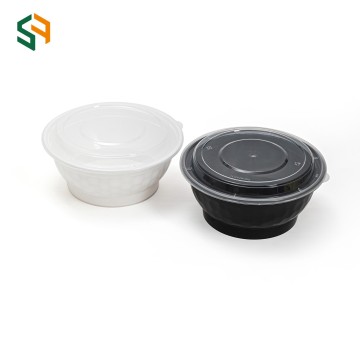
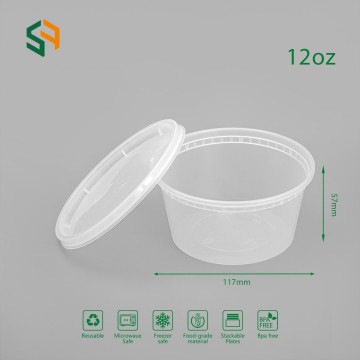
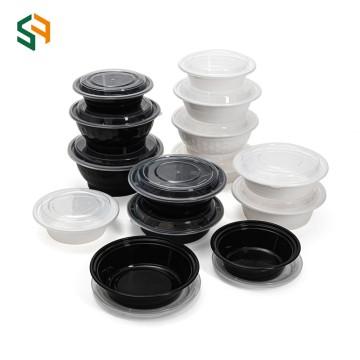
Discover our core line of engineered round microwavable containers designed specifically to meet the high thermal and structural demands of supermarket delis and pre-packaged meals.
The global food retail industry is undergoing a monumental shift. As modern consumers juggle increasingly busy schedules, the demand for high-quality, ready-to-eat (RTE) and ready-to-heat (RTH) meals has surged. Supermarket deli departments, once limited to simple cold cuts and basic potato salads, have transformed into gourmet hubs offering everything from hot soups and pasta to roasted meats and complex meal prep bowls. At the heart of this operational revolution is the microwavable round container.
From a commercial perspective, packaging is no longer just a vessel; it is a critical touchpoint in the supply chain and consumer experience. Supermarkets and food processors require packaging that can withstand rapid temperature shifts, maintain food freshness, prevent messy leaks during transit, and present the food in an appetizing manner. The round design has emerged as the gold standard for delis due to its superior thermal dynamics, ease of automated filling, and natural aesthetic appeal that mimics traditional home tableware.
Round shape eliminates cold spots during microwave heating, ensuring uniform temperature distribution throughout the food.
Engineered radial ribbing resists deformation under high heat and vertical stacking pressure in retail display cases.
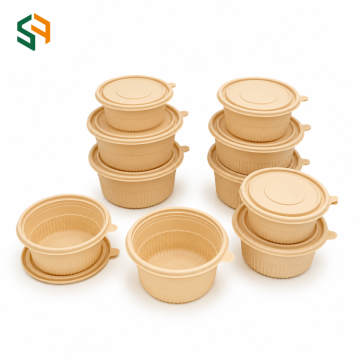
Manufactured using highly recyclable PP and innovative bio-based compounds to reduce carbon footprint.
Industrial food packaging manufacturers are continuously innovating to meet these demands. The integration of multi-station positive and negative pressure thermoforming machines, coupled with automated robotic handling, has allowed for the production of containers with highly consistent wall thicknesses. This precise engineering ensures that even under the intense steam pressure generated during microwaving, the container maintains its structural integrity without warping, softening, or releasing harmful chemicals into the food.
In a bustling supermarket deli, speed and safety are paramount. Hot-fill applications require containers that can receive foods like soups, stews, and gravies directly from heating wells at temperatures exceeding 85°C (185°F). A high-quality round PP (polypropylene) bowl is essential here. Its high melting point (typically around 160°C) ensures that the plastic does not leach or degrade. Furthermore, leak-proof, airtight lids prevent spills, protecting both store associates and customers from hot liquid burns during transport.
Pre-packaged meals often spend days in cold storage or open-front refrigerated display cases at temperatures around 4°C. The container must remain durable and impact-resistant in these cold conditions, avoiding the brittleness common to lower-grade plastics. When the consumer takes the meal home, the container must transition seamlessly from the refrigerator to the microwave. The round geometry is particularly beneficial here: as microwave energy penetrates the food, the circular shape prevents the concentrated corner heating that often ruins meals in rectangular trays, resulting in a perfectly heated dish every time.
For large-scale food manufacturers supplying supermarkets, compatibility with high-speed automated denesting, filling, and sealing equipment is critical. Round containers offer excellent denesting properties, meaning they stack tightly but separate easily on the production line without jamming. Additionally, the uniform lip design of round bowls allows for highly consistent heat-sealing with film or secure snap-on lid application, minimizing downtime and maximizing throughput.
As global carbon neutrality goals become more stringent, the food packaging industry is undergoing a green transition. The traditional reliance on virgin fossil-fuel plastics is being challenged by three major trends:
Polypropylene remains the material of choice for microwavable containers due to its unparalleled heat resistance and chemical stability. However, modern manufacturers are focusing on thin-wall technology—reducing the amount of plastic used per container without sacrificing strength. Additionally, the integration of food-grade post-consumer recycled (PCR) PP is gaining traction as supply chains align with circular economy principles.
The development of bio-based plastics, such as those derived from cornstarch (PLA) and other plant resources, represents a massive leap forward. While early bioplastics struggled with heat resistance, modern modified bio-based materials can now withstand microwave heating while remaining compostable or biodegradable under industrial conditions. This allows supermarkets to offer fully green packaging solutions that return to nature responsibly.
To extend the shelf life of pre-packaged meals without adding preservatives, manufacturers are incorporating multi-layer co-extrusion technology. By sandwiching an oxygen barrier layer (such as EVOH) within the PP walls, these round containers can significantly slow down food oxidation, keeping meals fresh for longer on supermarket shelves and reducing food waste nationwide.
To be your trusted partner in sustainable food packaging – delivering high-value products, reliable quality, and excellent service.
With years of experience in disposable tableware, we use 100% compostable, bio-based, and biodegradable materials to reduce fossil fuel dependency. Precision manufacturing ensures every container is durable, safe, and able to return to nature responsibly.
We are committed to a greener future – helping you serve meals in a way that protects both health and the planet.
From precision industrial manufacturing to global sustainable food packaging solutions, explore our journey of growth and technological breakthroughs.
Explore our full catalog of microwavable, recyclable, and compostable containers engineered to elevate your deli and ready-meal presentations.