




Analysis of the Development Status and Future Trends of the Degradable Food Container Industry!
Driven by the dual goals of global dual carbon goals and the normalization of domestic plastic ban policies, the biodegradable food container industry is entering a period of rapid development. As a core green product that replaces traditional disposable plastic food packaging, biodegradable food cwontainers rely on the core advantages of renewable raw materials, pollution-free degradation, and low-carbon environmental protection. They are widely used in various scenarios such as food delivery, chain fast food, supermarket retail, camping and tourism, aviation catering, and group meals, gradually realizing the large-scale replacement of traditional plastic tableware and becoming a golden track in the field of environmentally friendly new materials.
From the current development status of the industry, the domestic biodegradable food container industry has formed a complete industrial chain system, and the supply of raw materials, production processes, product categories, and market applications are becoming increasingly mature. The raw material side has achieved diversified layout, and mainstream materials such as plant fibers, plant starch, PLA, PBAT, PHA have been mass-produced on a large scale, effectively solving the industry pain points of early raw material shortages and high costs. The resource utilization of agricultural and forestry waste such as sugarcane bagasse and straw not only realizes the recycling of agricultural waste, but also reduces the production cost of raw materials, and has both environmental and economic benefits.
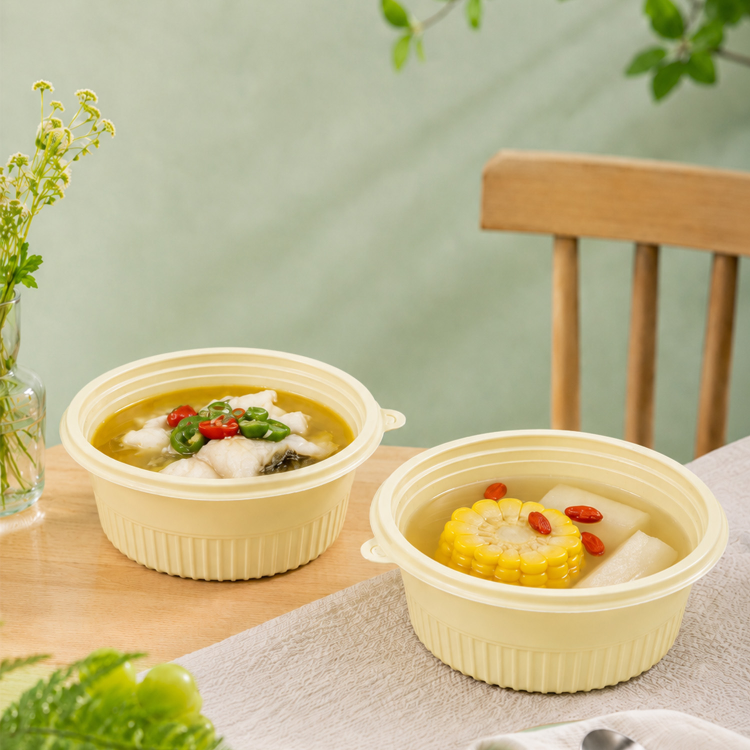
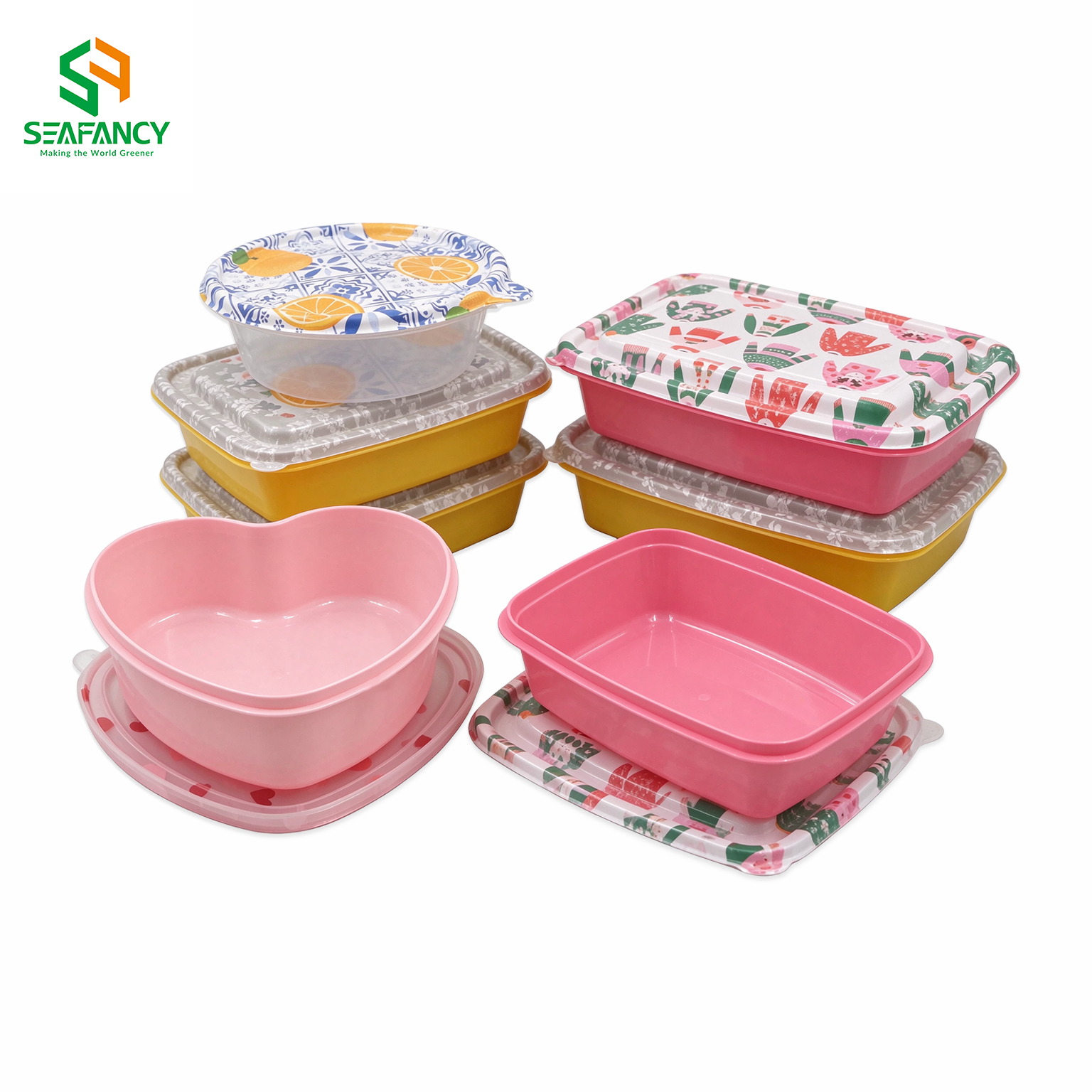
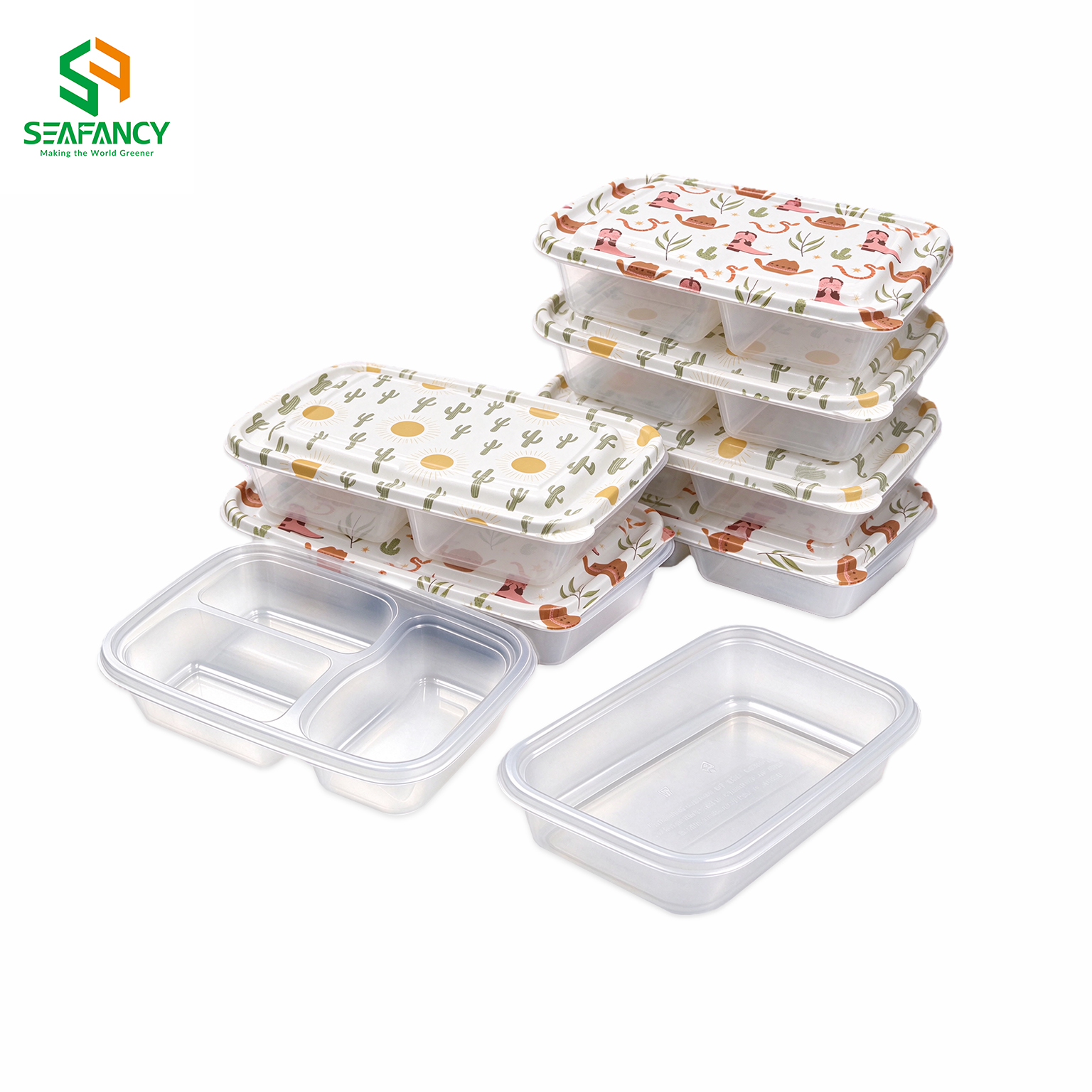
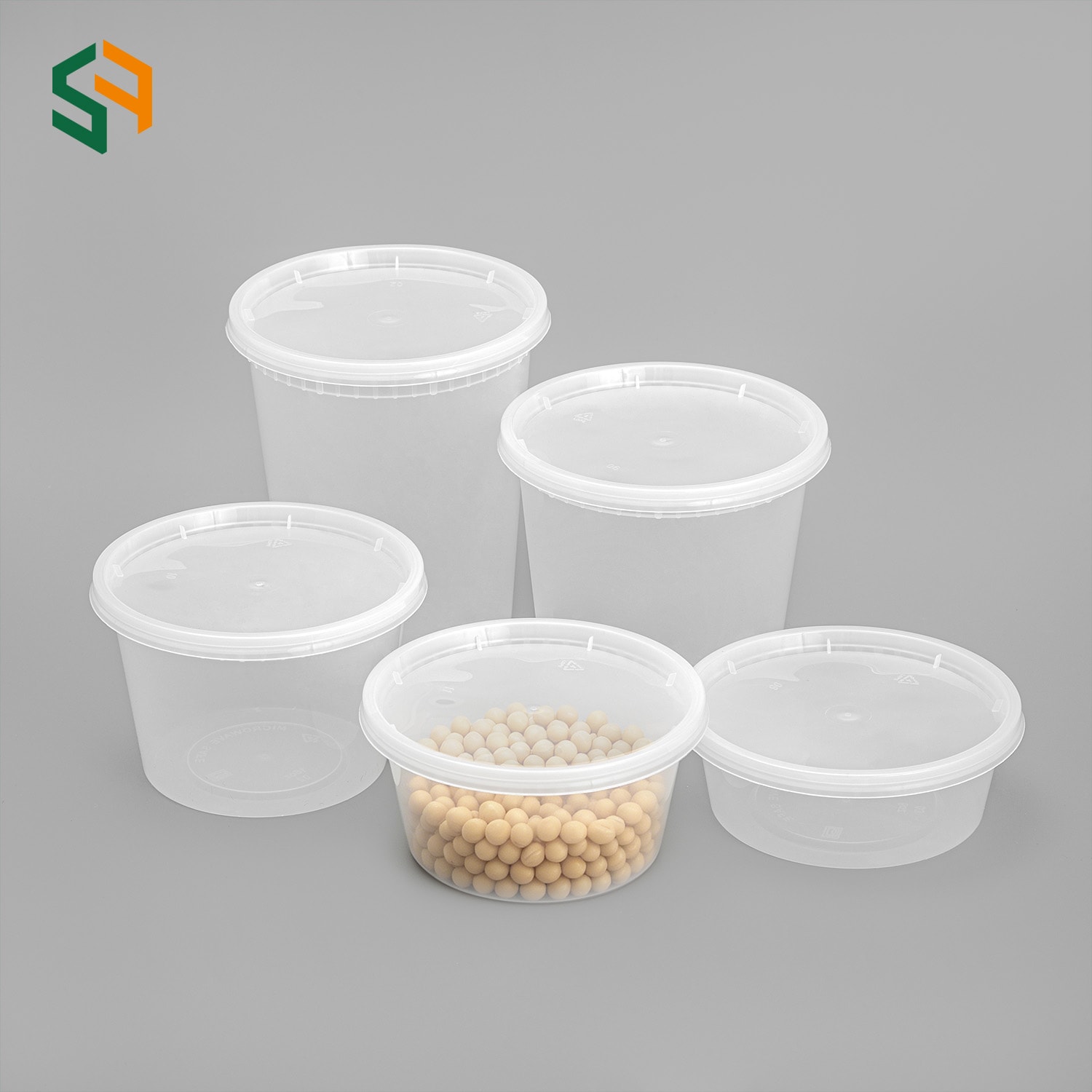
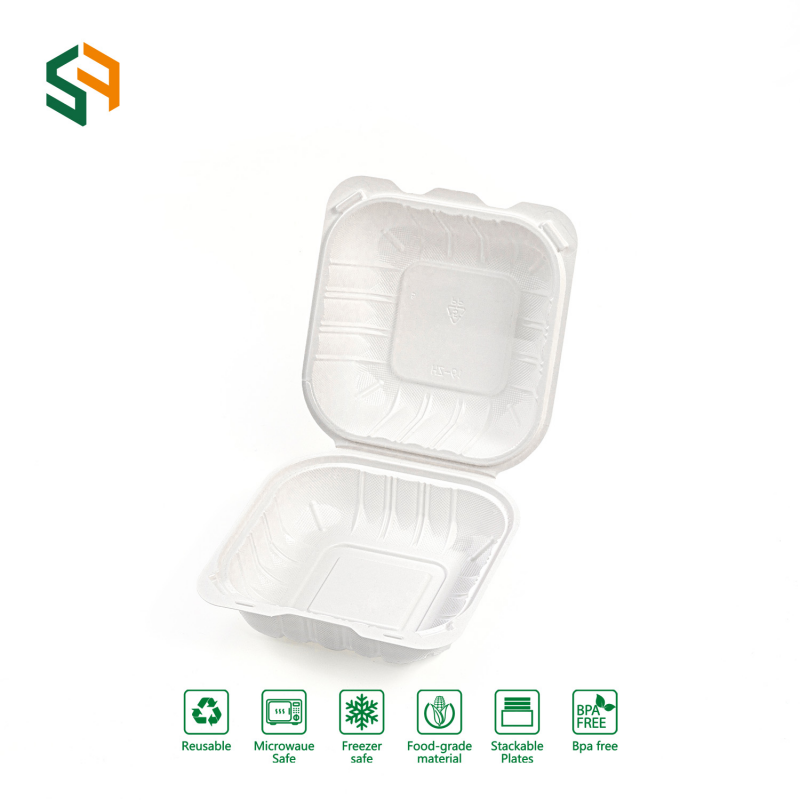
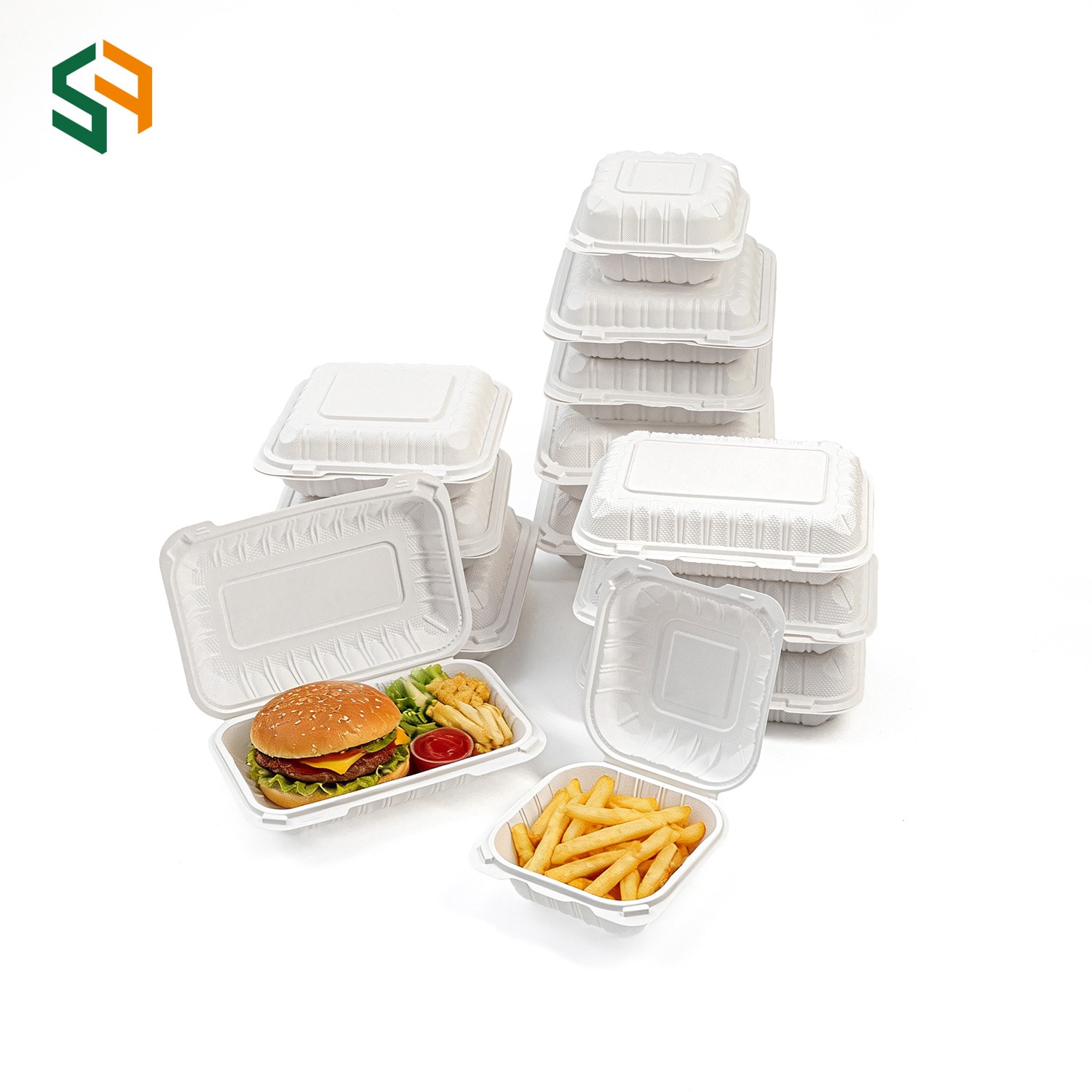
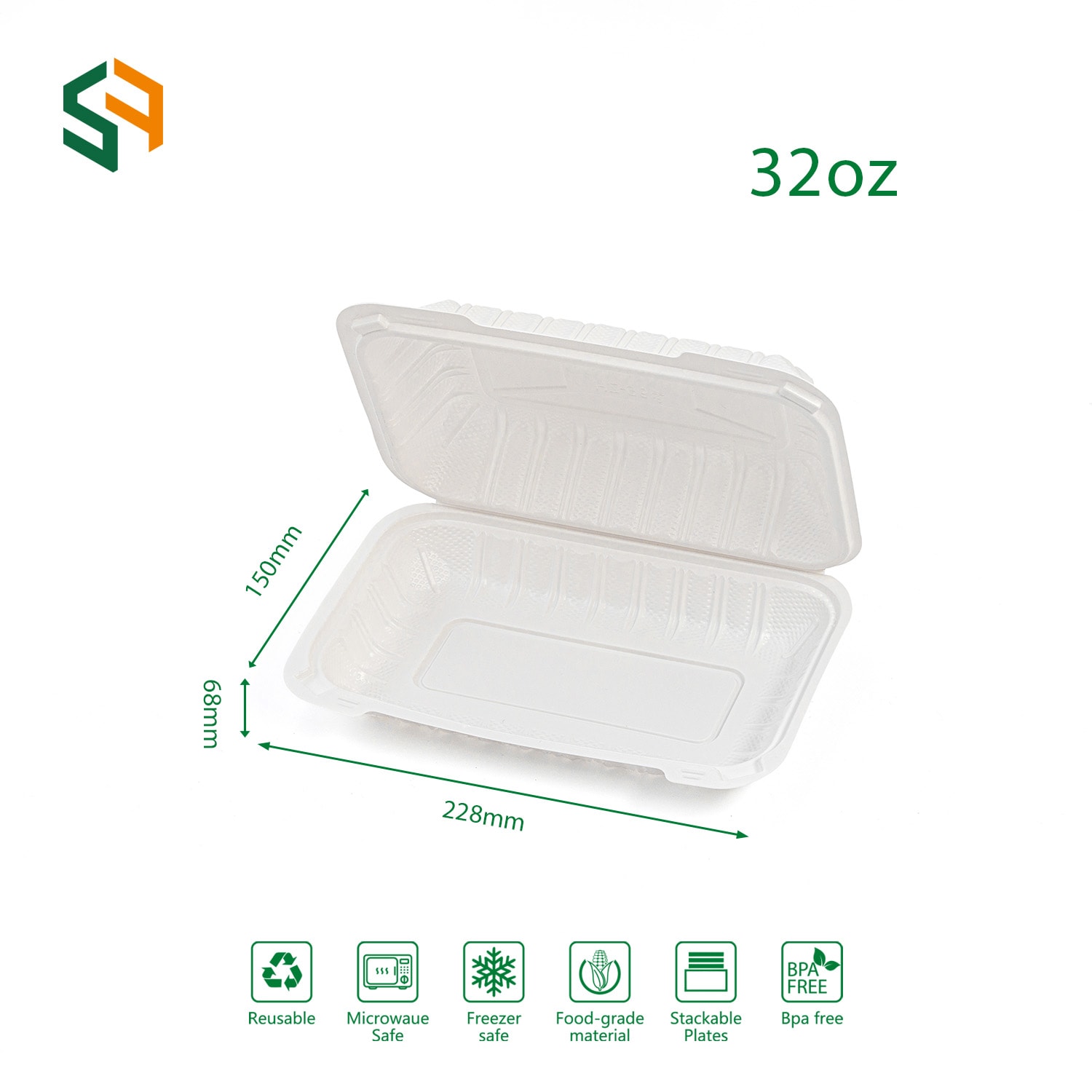
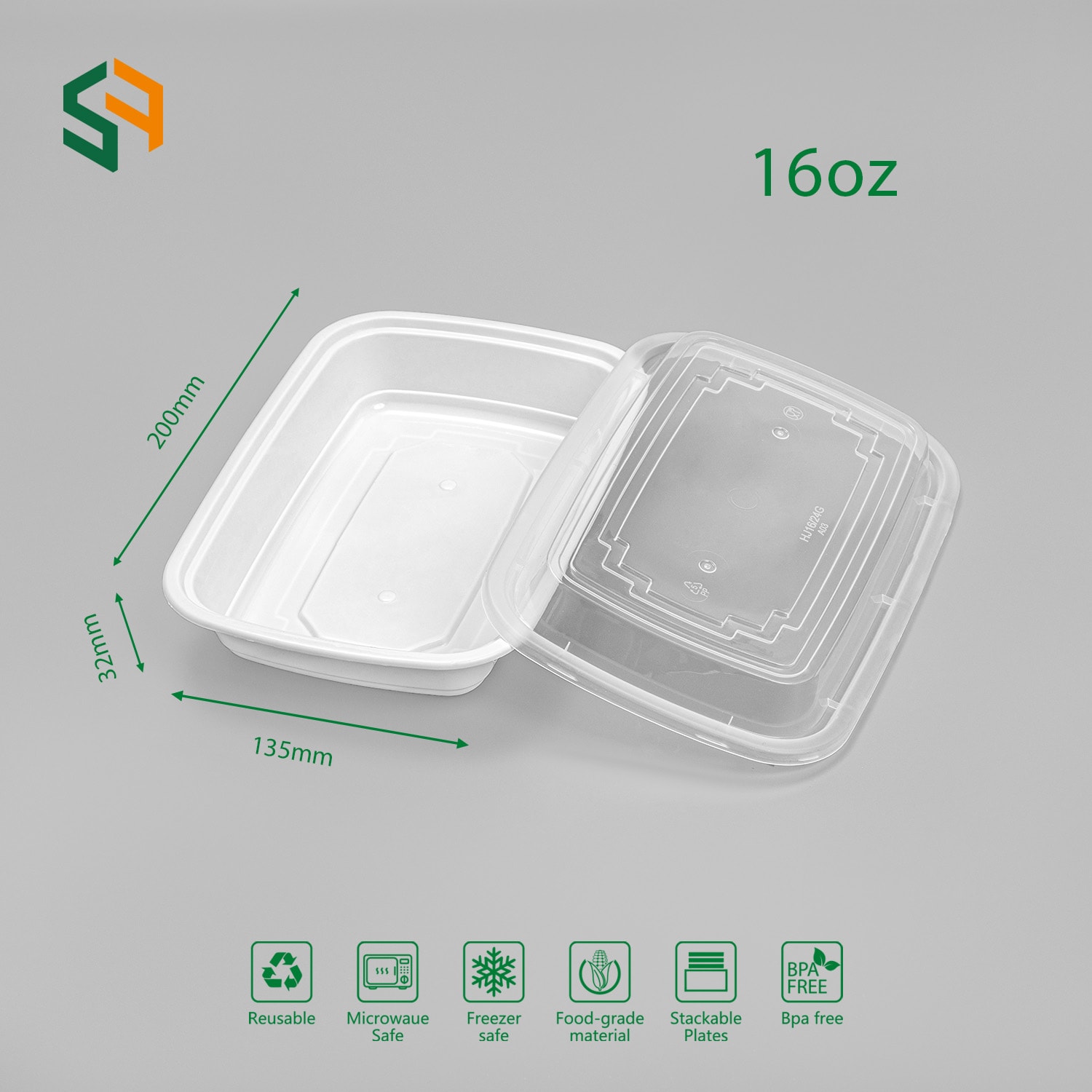
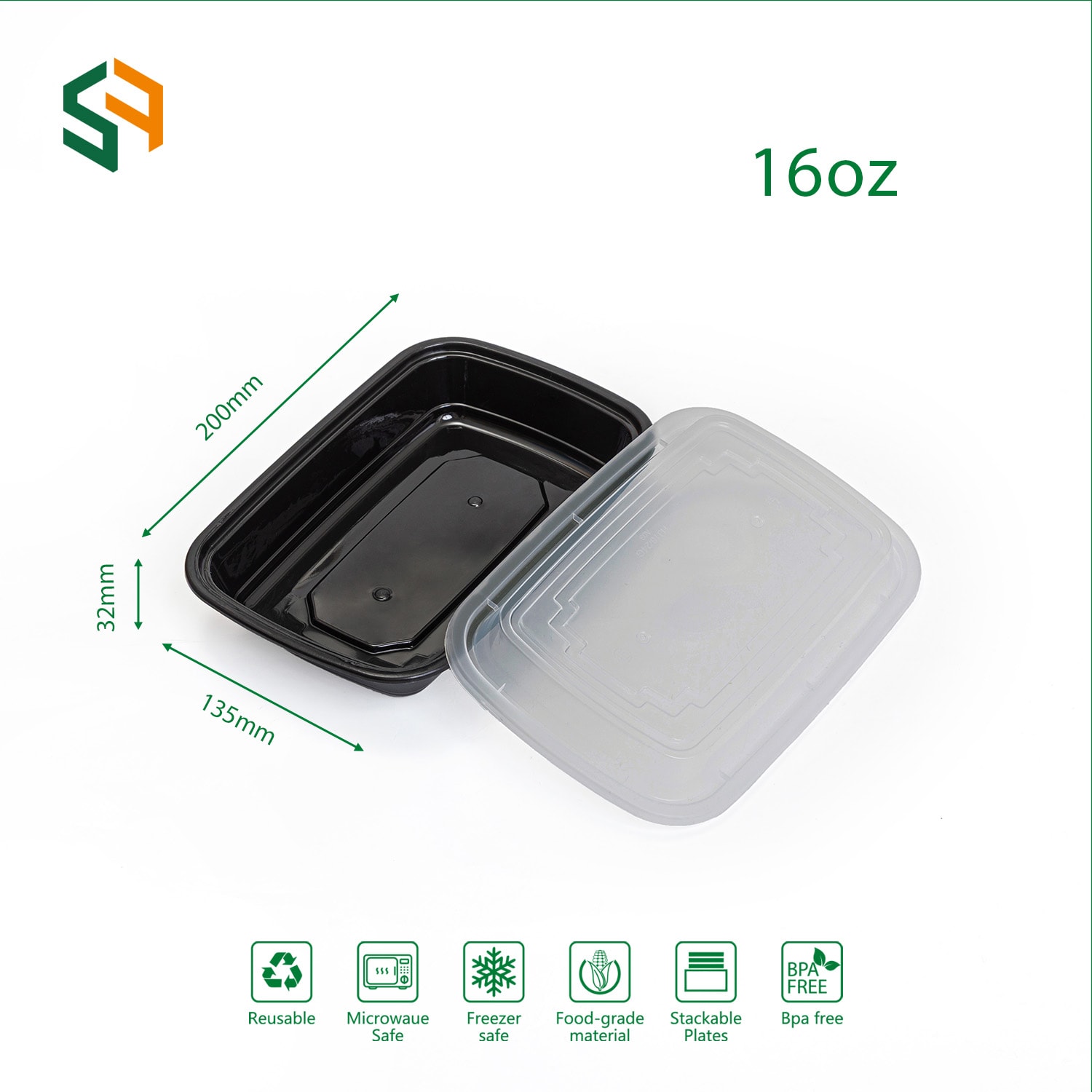
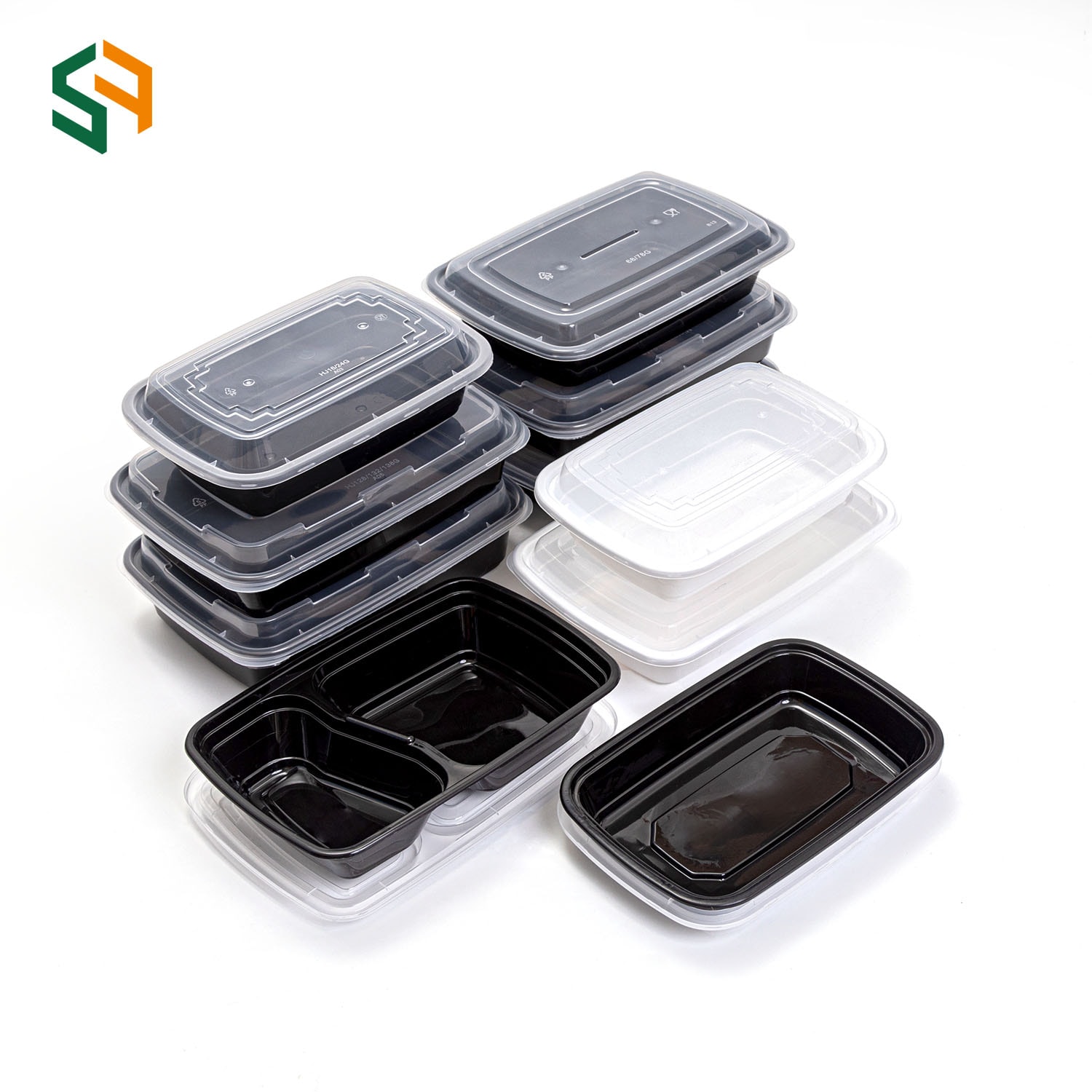
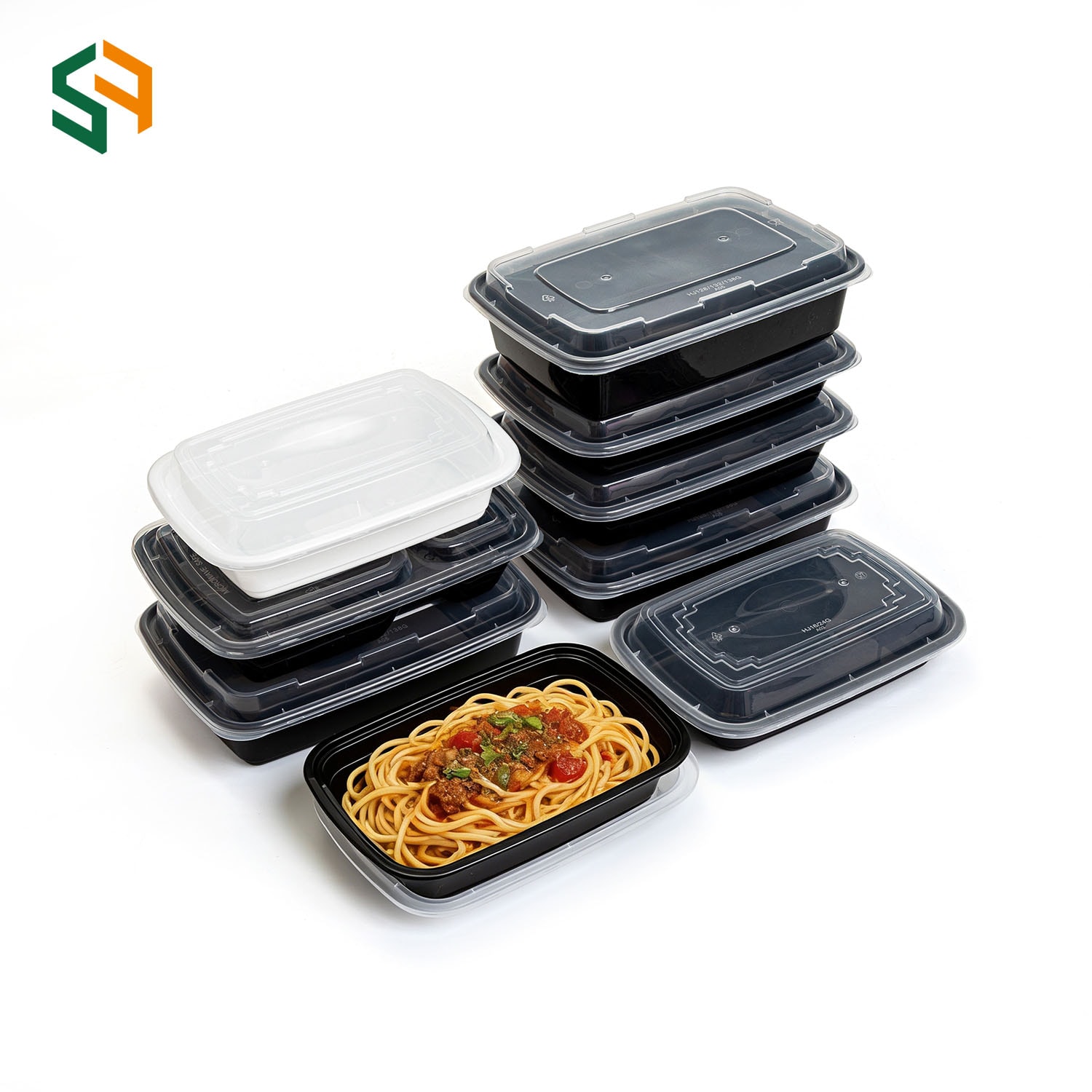
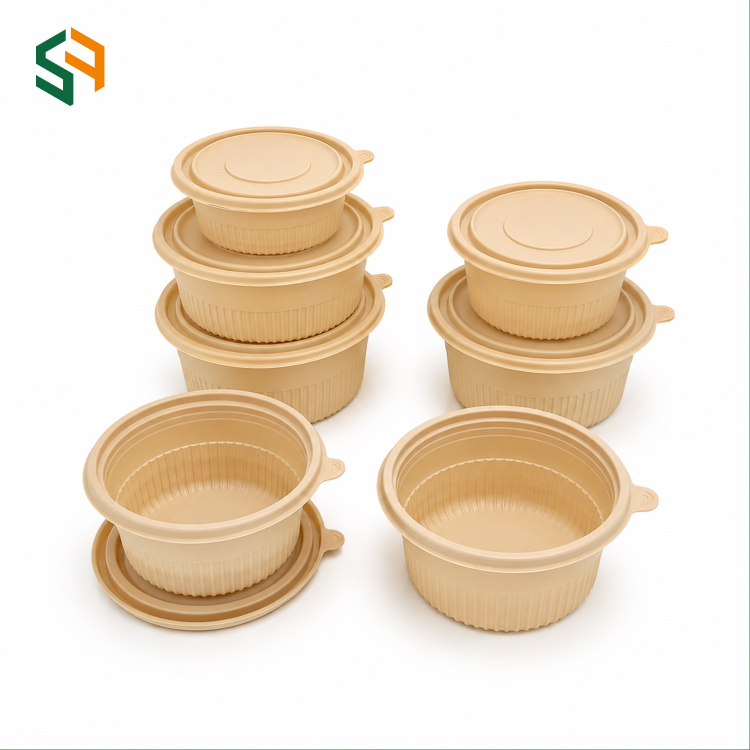
In terms of production process, the industry continues to upgrade iteratively, and the traditional single molding process is gradually upgraded to a refined and intelligent production mode. Nowadays, biodegradable food containers undergo multiple processes such as high-pressure molding, high-temperature sterilization, food grade waterproof and oil resistant modification, reinforcement and shaping, completely solving the problems of early environmentally friendly tableware that were prone to leakage, deformation, heat resistance, and rough texture. At present, the products have achieved standardized and diversified production, covering a full range of categories such as meal boxes, plates, soup bowls, water bottles, trays, food packaging boxes, etc., which can meet the market demands of different levels such as commercial, civilian, and high-end customization. At the same time, industry quality inspection standards are constantly improving, and food grade safety testing and degradation performance testing are fully implemented, greatly improving product safety and stability.
The continuous expansion of market demand has driven the steady growth of industry scale. With the upgrading of consumer awareness of environmental protection, catering enterprises, supermarket brands, and cultural tourism attractions have responded to plastic reduction policies and actively replaced biodegradable food containers. Especially with the booming development of food delivery and camping economy, there is a massive market demand for disposable biodegradable tableware. Compared to traditional plastic containers, biodegradable products have a slightly higher unit price, but they comply with policy compliance requirements, brand green development concepts, and have no environmental penalty risks. They have a long-term comprehensive cost advantage and are therefore highly favored by the B-end market. At the same time, the demand for C-end household and outdoor self use consumption is also continuing to rise.
There are still some pain points in the current industry development that urgently need to be overcome. Firstly, there are obvious shortcomings in the differentiation of material properties. High end biodegradable materials such as PHA have excellent performance and a wide range of adaptability scenarios, but their production costs are 2-3 times higher than traditional plastics, making it difficult to popularize on a large scale; The insufficient temperature resistance of PLA material limits its application in hot food scenarios; Some small and medium-sized manufacturers have rough craftsmanship, and their products do not meet the standards for waterproofing, oil resistance, and temperature resistance, which affects the overall reputation of the industry. Secondly, the supporting system for degradation is not perfect, and the coverage of industrial composting facilities in China is insufficient. A large number of biodegradable tableware waste cannot enter the professional degradation process, making it difficult to fully realize its environmental value. The third issue is that there is still market chaos, with some low-quality pseudo degradation products entering the market and seizing market share at low prices, disrupting the development order of industry standardization.
Looking ahead to the future, the biodegradable food container industry will steadily develop towards technological upgrading, cost reduction, full coverage of scenarios, and system standardization. On the technical level, the industry will continue to promote the research and development of material composite modification technology, integrate the advantages of different materials, and create composite biodegradable materials that are resistant to high temperatures, high strength, low cost, and suitable for all scenarios, breaking through the shortcomings of single material performance. The production end will continue to promote intelligent and large-scale mass production, reduce production costs through process optimization, narrow the price gap with traditional plastic products, and enhance market popularity.
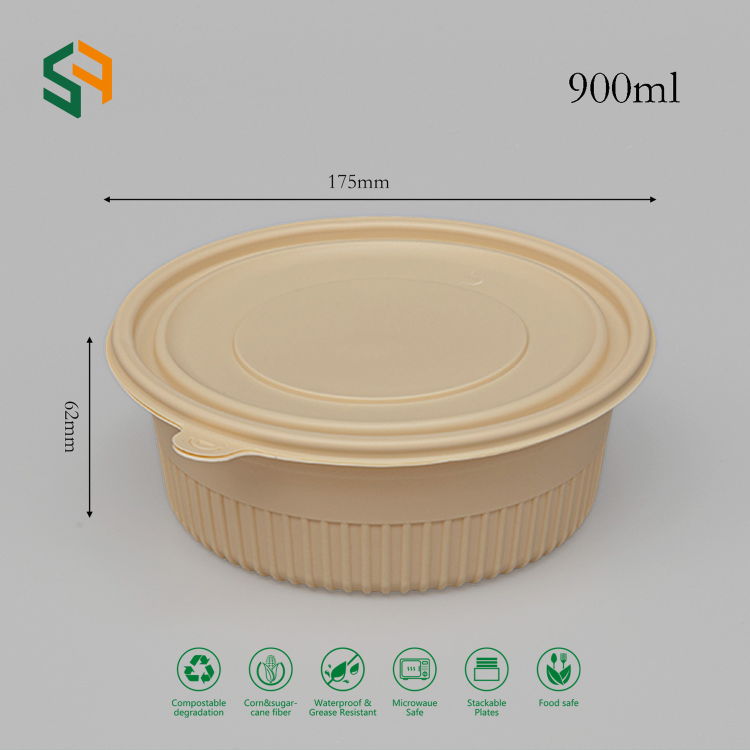
At the level of policies and supporting systems, various regions will continue to improve their plastic ban and control policies, increase efforts to rectify inferior and pseudo degradable products, unify industry production, testing, and degradation standards, and regulate market order. At the same time, supporting facilities for industrial composting and biodegradable waste treatment will gradually be improved, and a fully closed-loop green industry chain of "production use recycling degradation" will be constructed, allowing the environmental value of biodegradable products to truly be realized. In terms of application scenarios, biodegradable food containers will further expand from civilian catering scenarios to high-end fields such as food processing, cold chain packaging, aviation catering, and medical food packaging, achieving full industry penetration.
Green and low-carbon is the core trend of industrial development, and biodegradable food containers, as an important carrier of circular economy, have both ecological and industrial value. With continuous technological innovation, policy improvement, and deepening market awareness, biodegradable food containers will inevitably replace traditional plastic tableware and become the mainstream choice in the food packaging industry, providing solid support for ecological environment protection, achieving dual carbon goals, and upgrading green industries.