




How to Choose, Use and Maintain PP Food Containers Correctly (Complete Guide)
While PP food containers are universally recognized as safe and practical food storage tools, many users still encounter problems such as fake PP products, improper use leading to shortened service life, and unclear usage taboos. To help every user maximize the value of PP food containers and ensure long-term food safety, we have sorted out a complete guide for selection, daily use, and maintenance of PP food containers, covering household and commercial usage scenarios.
1. How to Identify High-Quality Food-Grade PP Containers
Not all plastic containers marked “PP” are food-grade qualified. Inferior recycled PP products may contain impurities and harmful substances, which threaten food safety. You can judge high-quality PP food containers through the following key points:
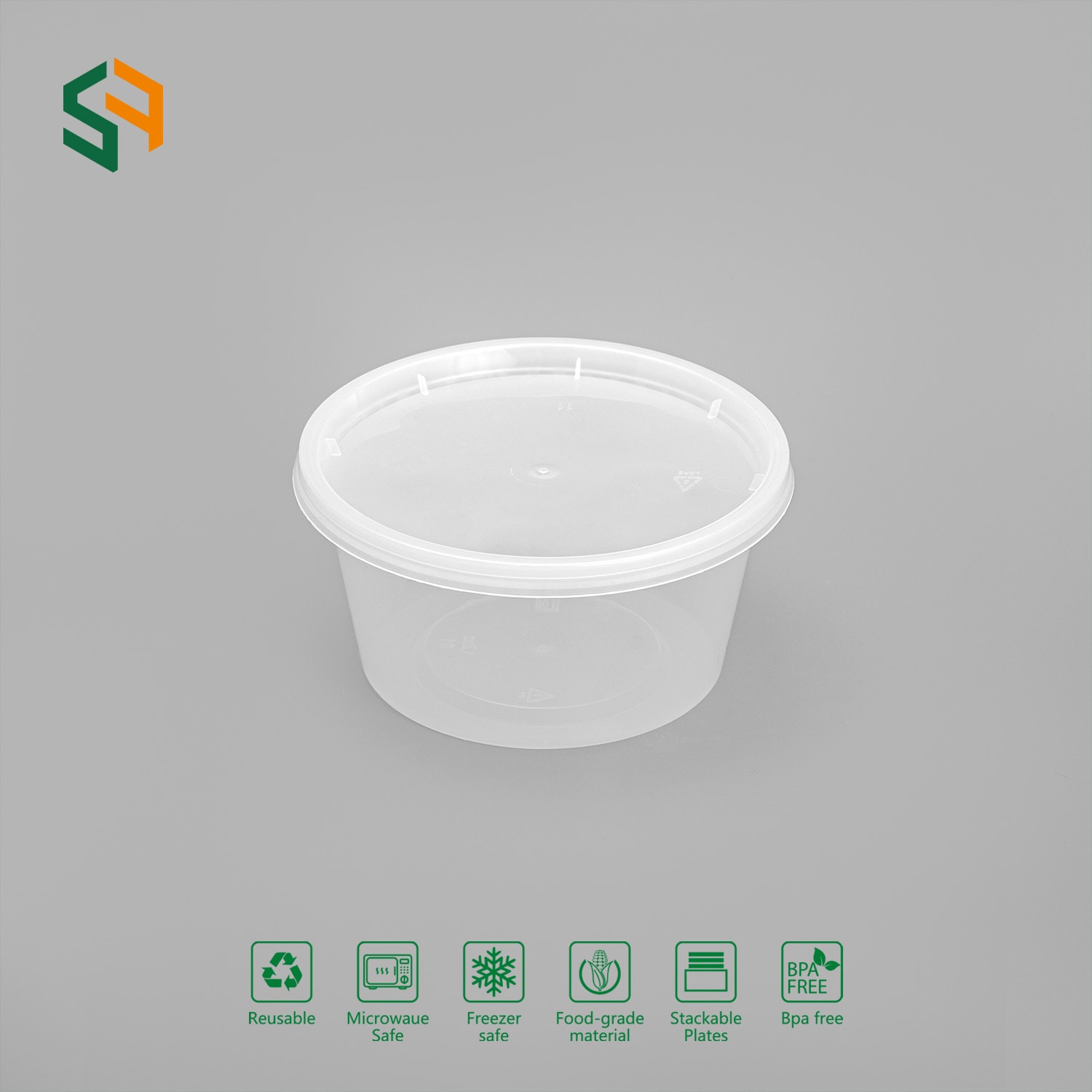
- Check the recycling logo: Formal PP food containers are printed with the number “5” recycling symbol and the “PP” abbreviation, representing pure polypropylene material that can be reused and heated safely.
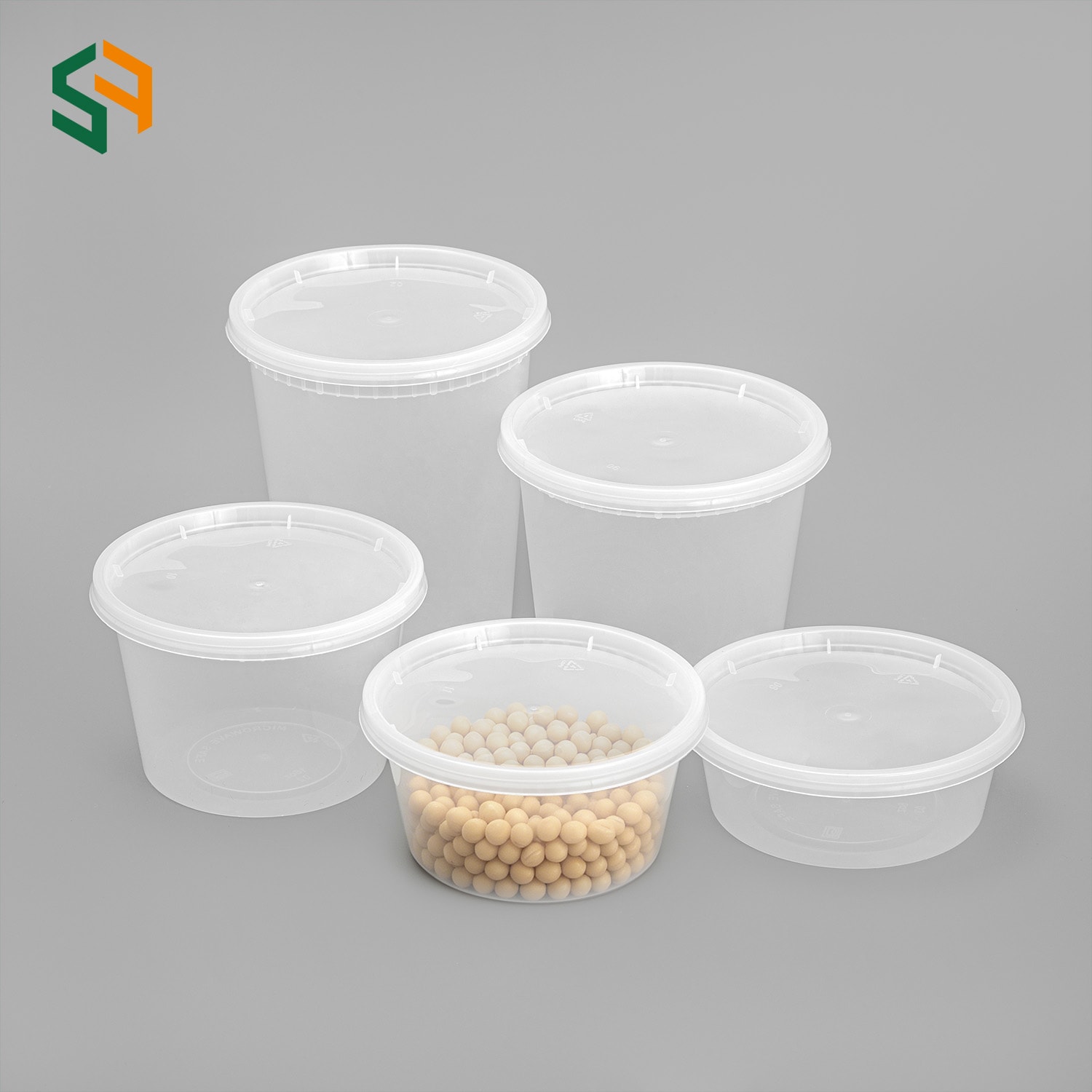
- Observe appearance and smell: Qualified food-grade PP containers are transparent or milky white with uniform texture, no black spots, impurities, or bubbles. They have no pungent plastic odor, while inferior products often have a strange smell.
- Verify safety certifications: Reliable PP food containers must pass international food safety certifications such as FDA and LFGB, with clear certification marks on the product or packaging.
- Test heat resistance simply: High-quality PP containers will not deform or produce odors after microwave heating or hot water soaking; inferior products are prone to warping and discoloration.
2. Standard Usage Taboos for PP Food Containers
Although PP materials are high-temperature resistant and safe, incorrect use will still affect service life and food safety. Here are the must-follow usage rules:
- Avoid overheating high-fat foods for a long time: Though PP is microwave-safe, prolonged heating of high-oil, high-sugar foods at extreme temperatures may accelerate material aging. It is recommended to control microwave heating time within 3–5 minutes each time.
- Do not use aging or damaged containers: Once PP containers appear scratches, cracks, yellowing, or deformation, they are prone to residue accumulation and bacterial growth, and may have chemical precipitation risks. Please replace them in time.
- Avoid long-term direct sunlight exposure: Long-term ultraviolet radiation will cause PP material aging, brittleness, and discoloration, reducing its safety and service life. Store containers in a cool and dry place.
- Do not hold ultra-high-temperature boiling oil: While PP can resist boiling water temperature, it is not suitable for holding hot oil above 150°C to avoid material damage.
3. Scientific Maintenance to Extend Service Life
Reasonable maintenance can greatly prolong the service life of reusable PP food containers while maintaining food hygiene:
- Clean in time after use: Clean the container with soft sponge and neutral detergent immediately after storing oily or sugary foods to avoid long-term residue adhesion and bacterial breeding. Do not use hard steel balls to prevent surface scratches.
- Dry thoroughly before storage: After cleaning, flip the container to drain water and dry it completely to avoid mold growth caused by residual moisture during stacking storage.
- Classify storage: Separate raw and cooked food with different PP containers to avoid cross-contamination of bacteria, ensuring dietary health.
- Regular disinfection: PP containers support boiling disinfection and steam disinfection. Regular high-temperature disinfection is recommended for household and catering commercial use to keep containers hygienic.
4. Single-Use vs Reusable PP Containers: Choose According to Scenarios
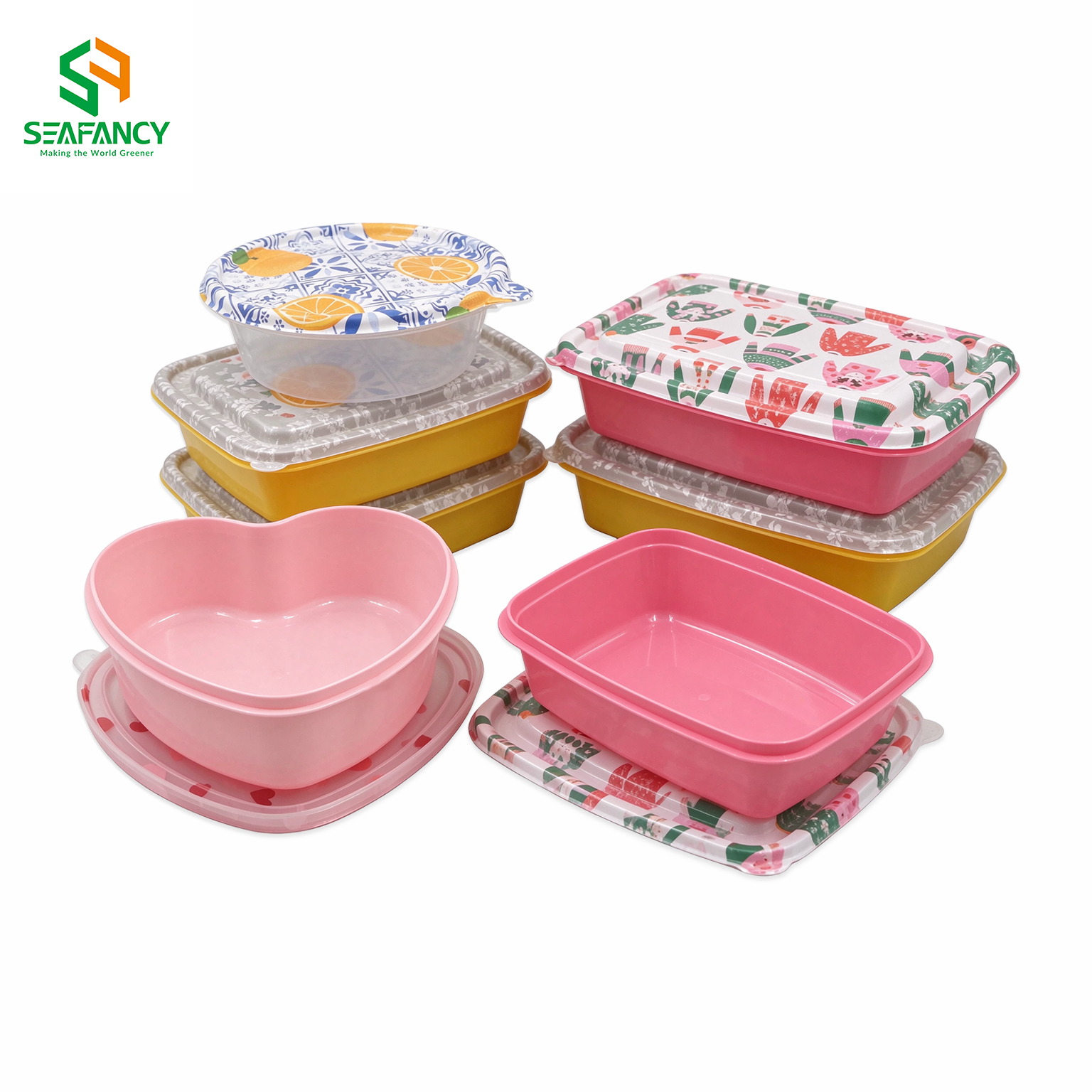
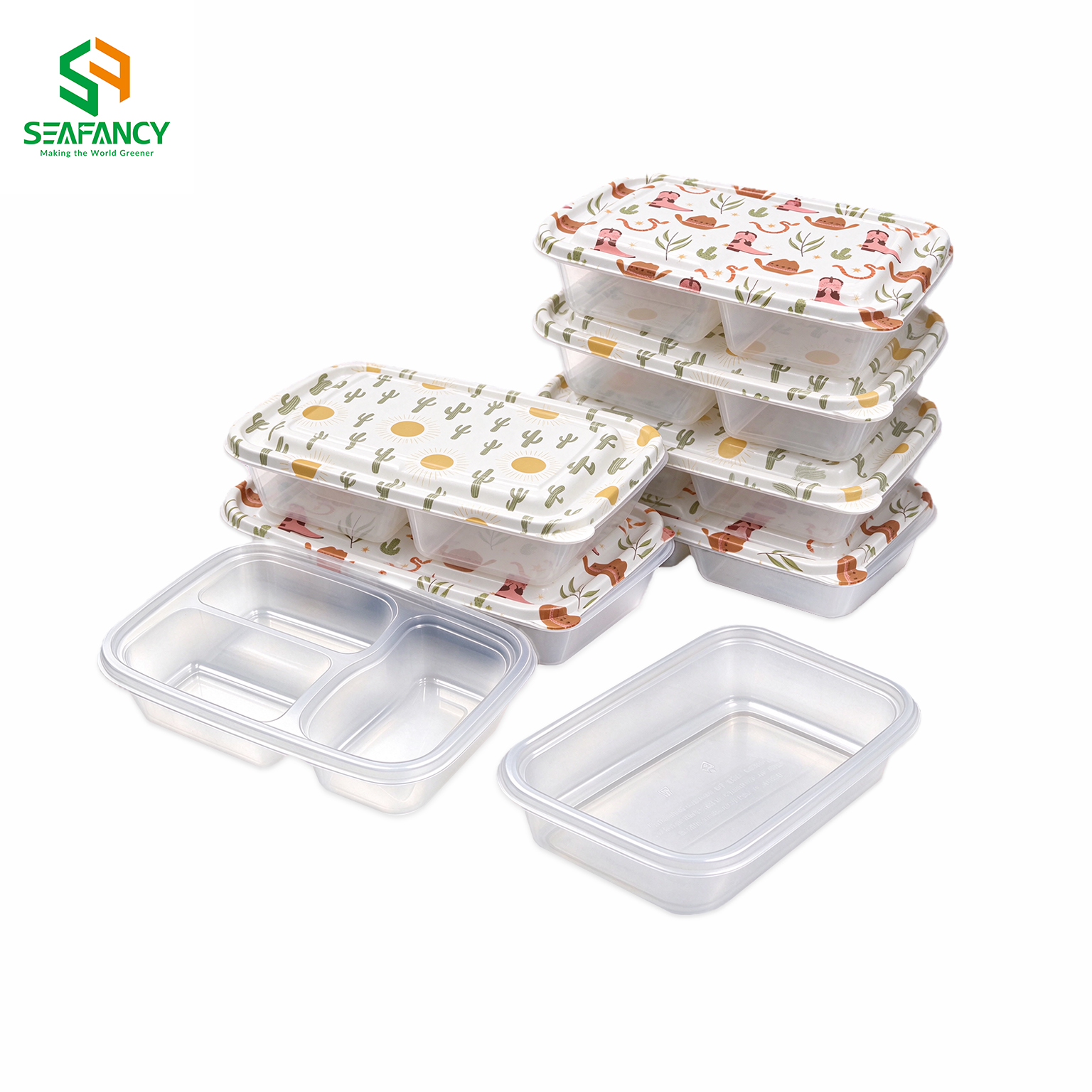
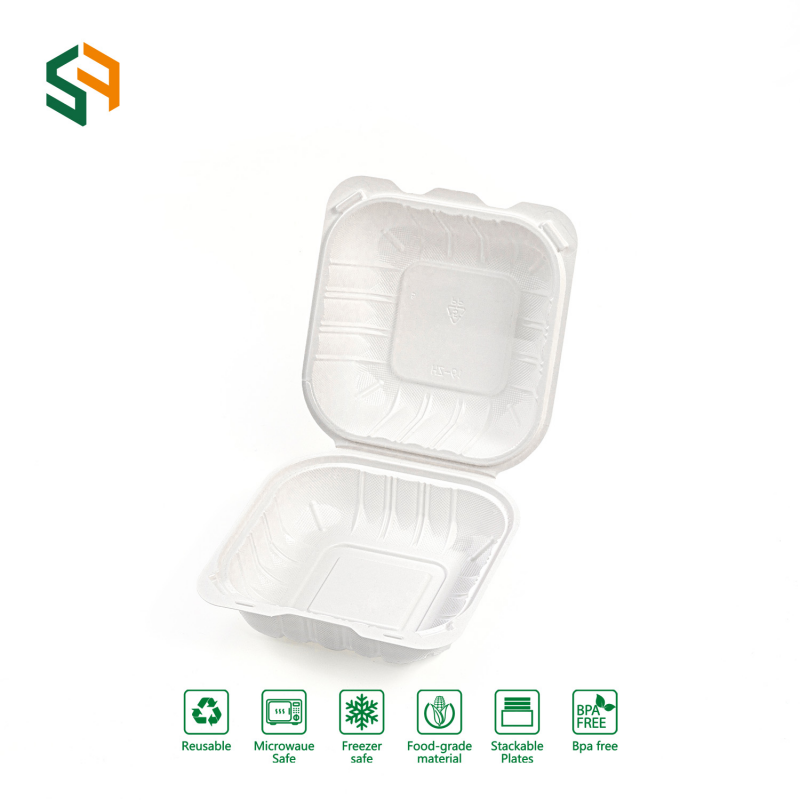
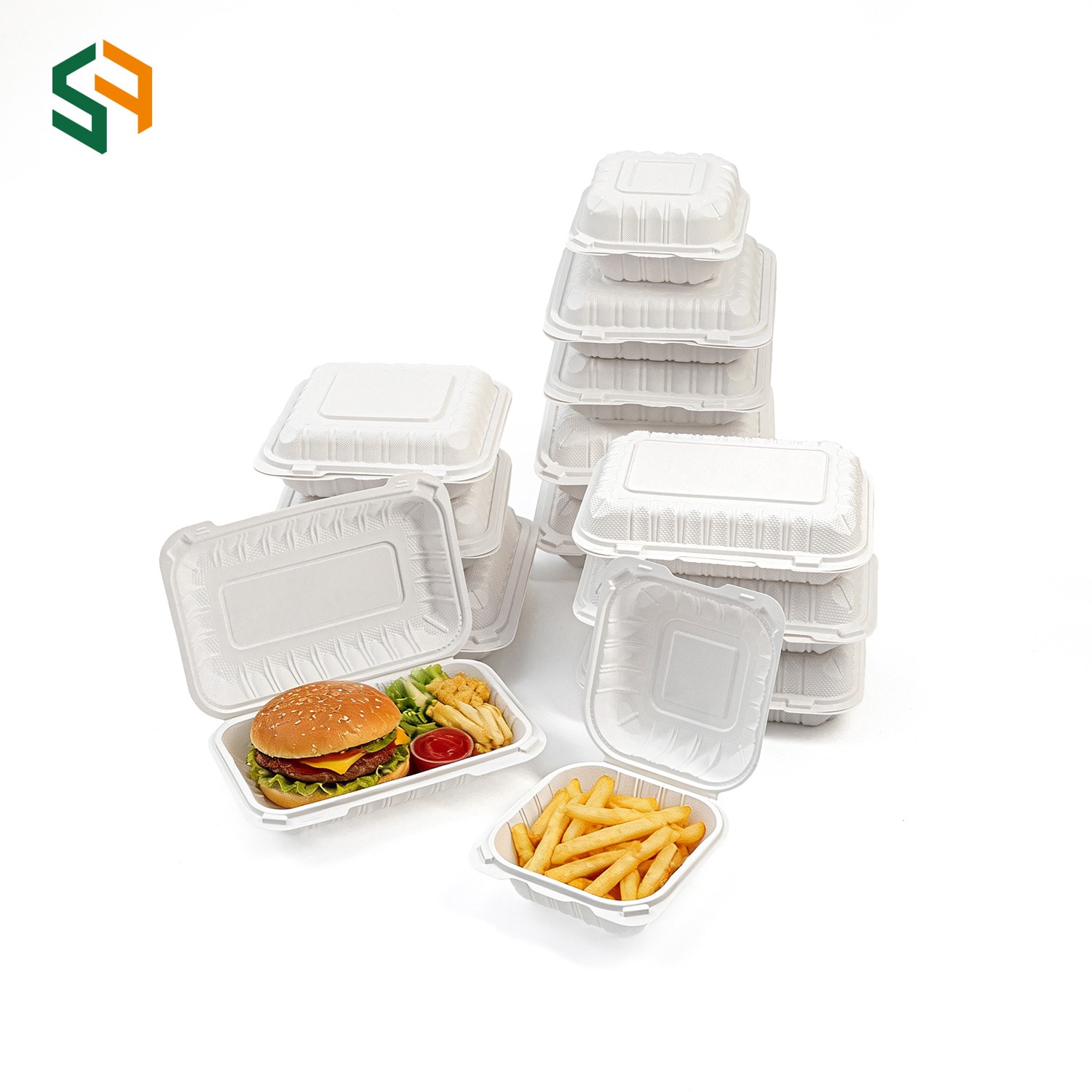
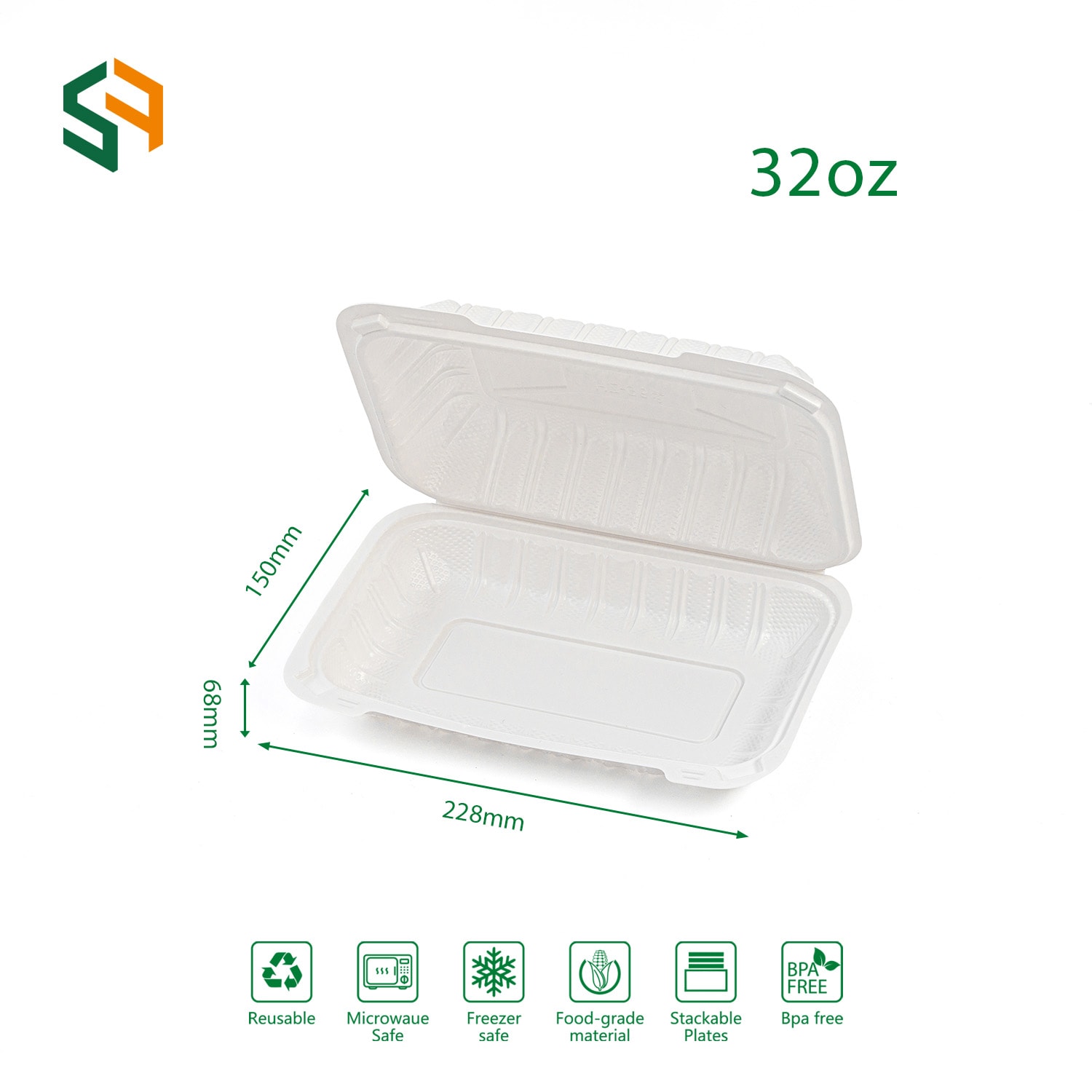
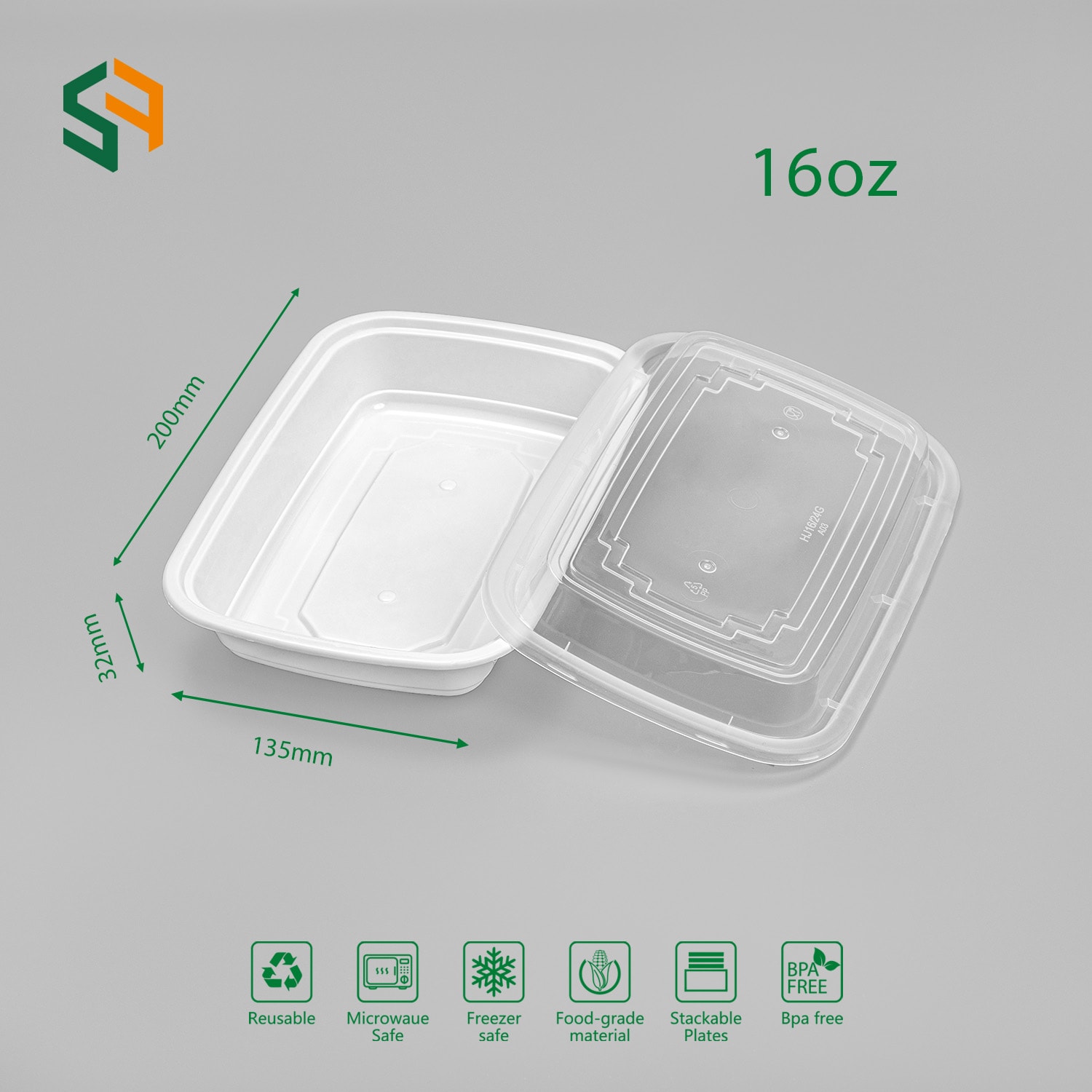
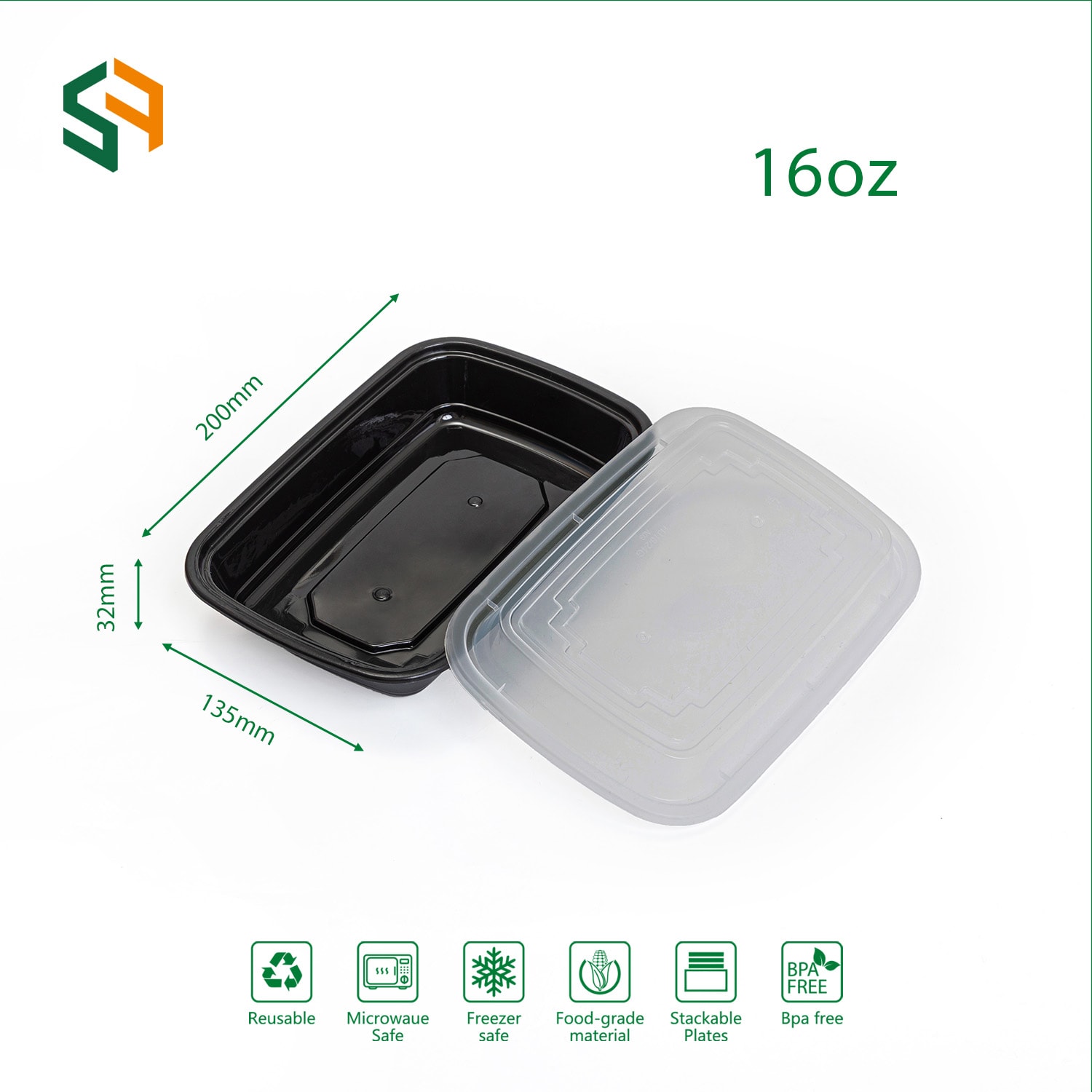
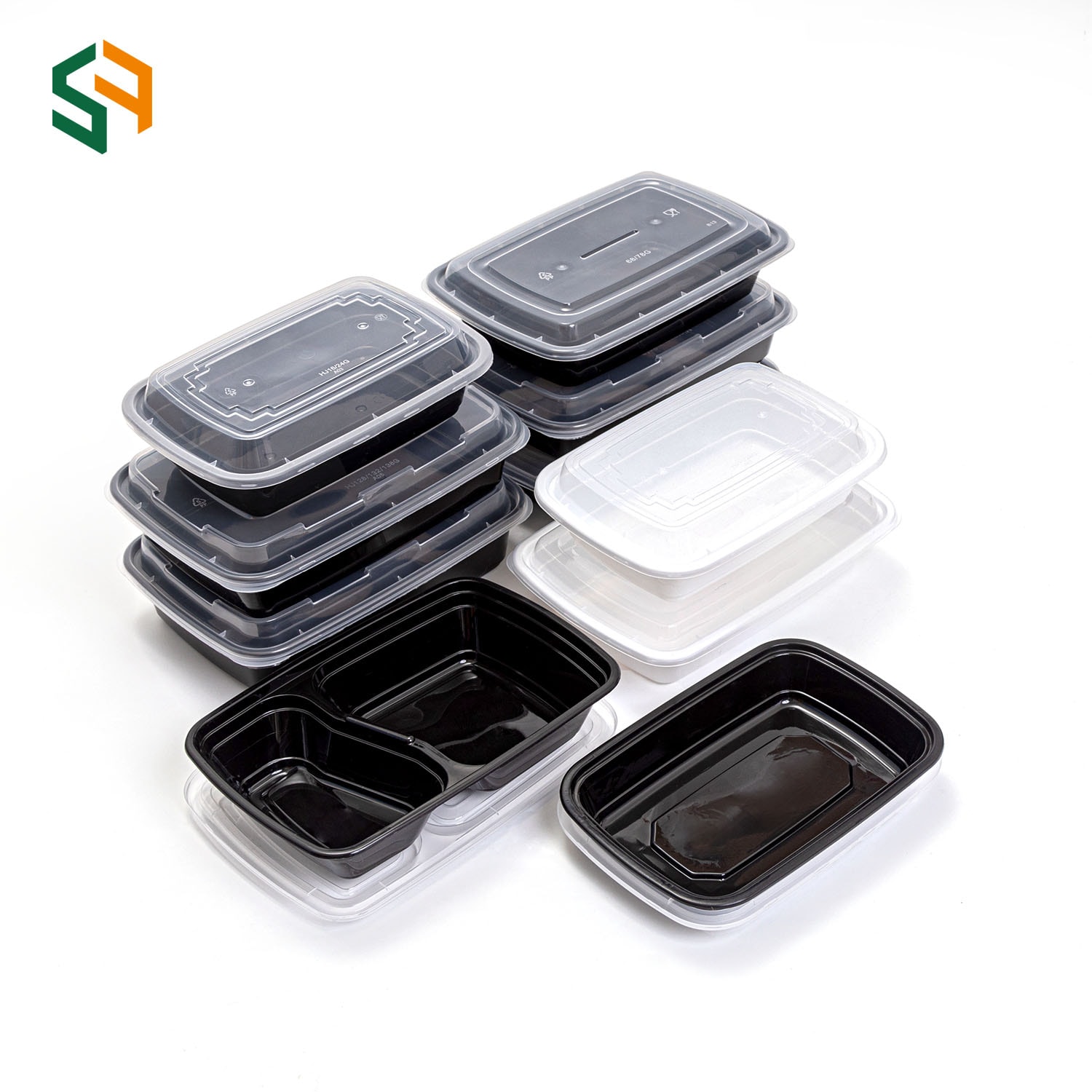
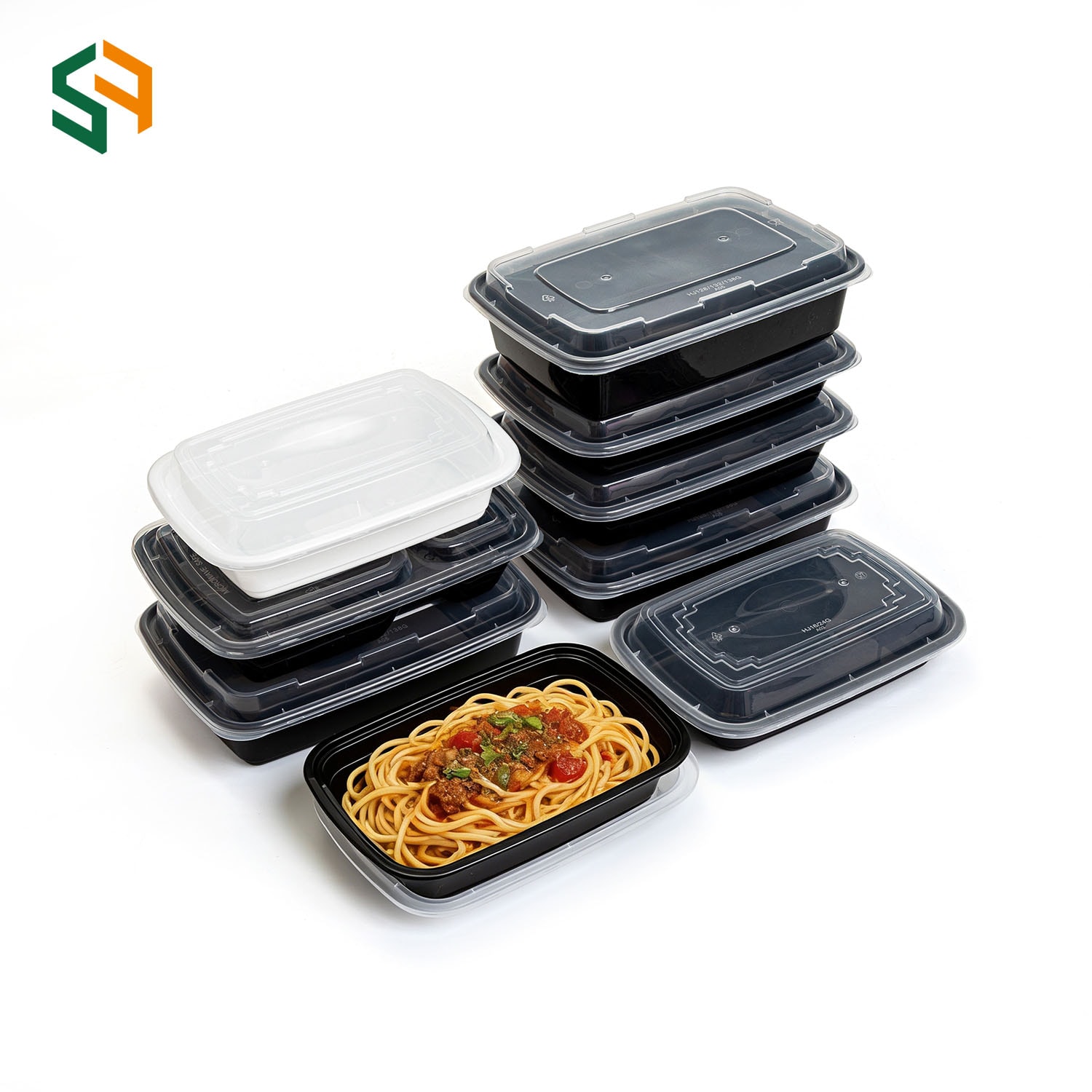
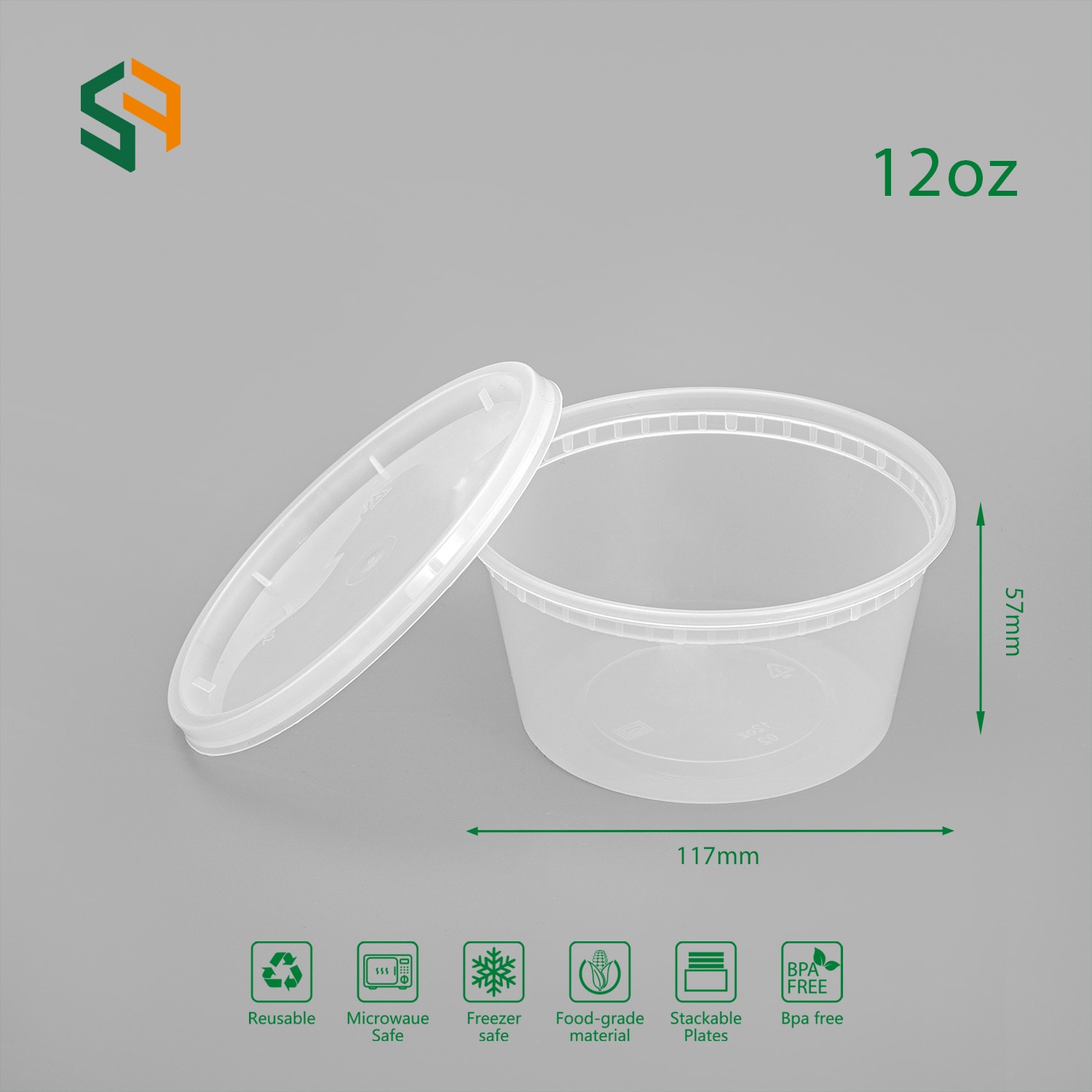
PP food containers are divided into single-use disposable types and thickened reusable types, with different applicable scenarios. Disposable PP containers are lightweight, leak-proof, and cost-effective, perfect for food delivery, takeout, catering banquets, and outdoor activities, ensuring convenient and hygienic one-time use. Thickened reusable PP containers have stronger hardness and aging resistance, suitable for daily household meal prep, refrigerator food storage, and office portable meals, realizing repeated use and cost savings.
Conclusion: PP food containers are practical, safe, and eco-friendly food storage tools. Mastering scientific selection and usage methods can give full play to their advantages, protect family dietary safety, and improve the operational efficiency of catering businesses.