




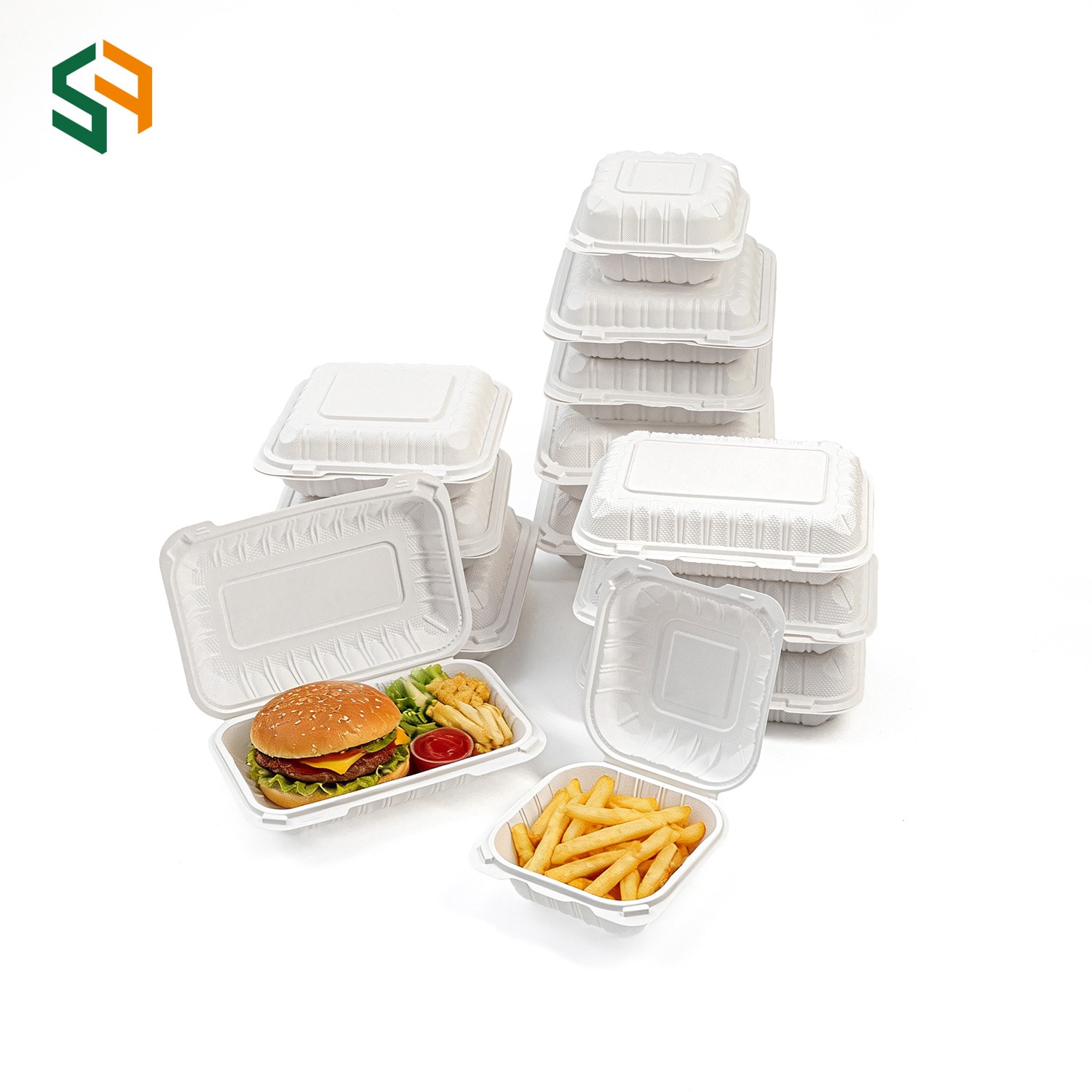
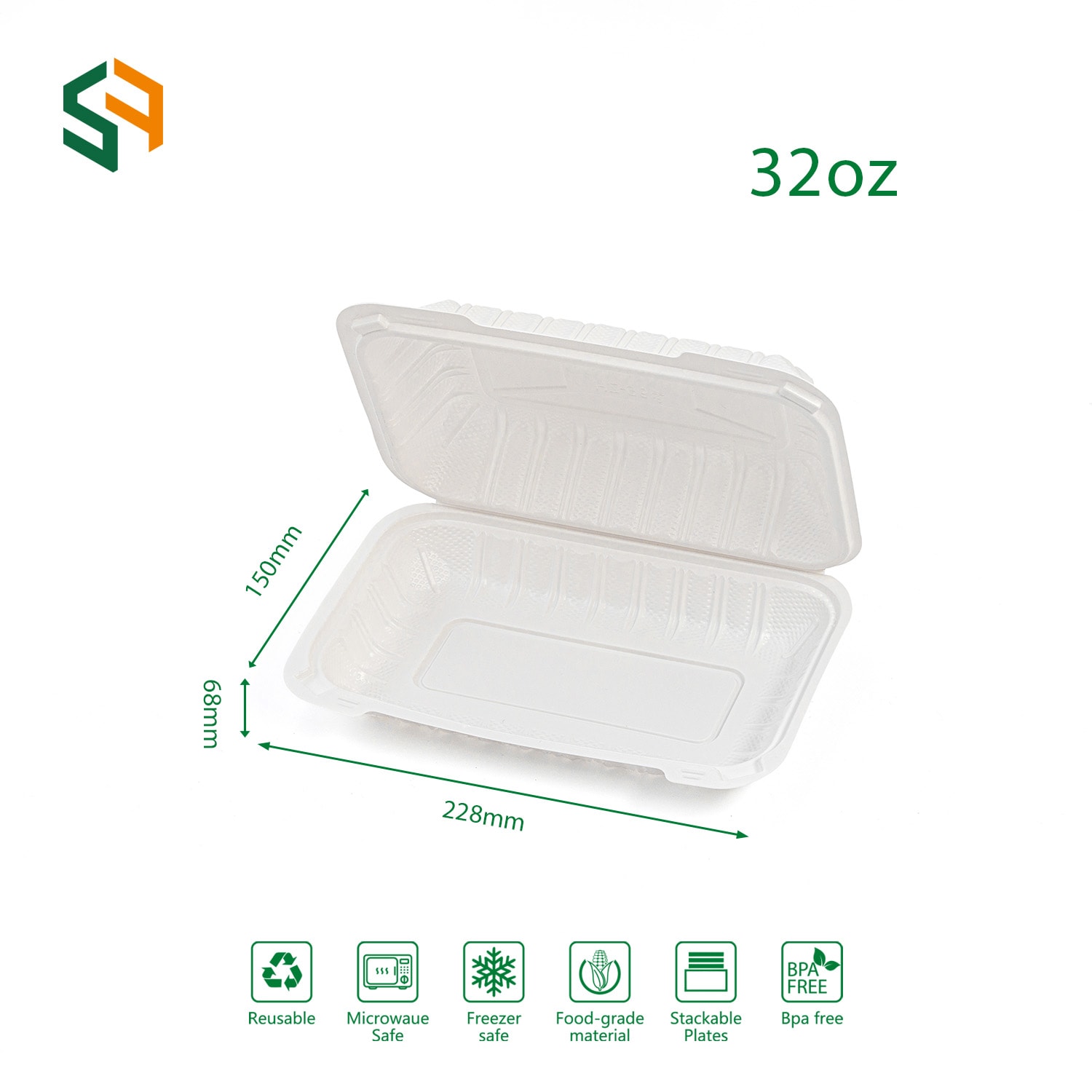
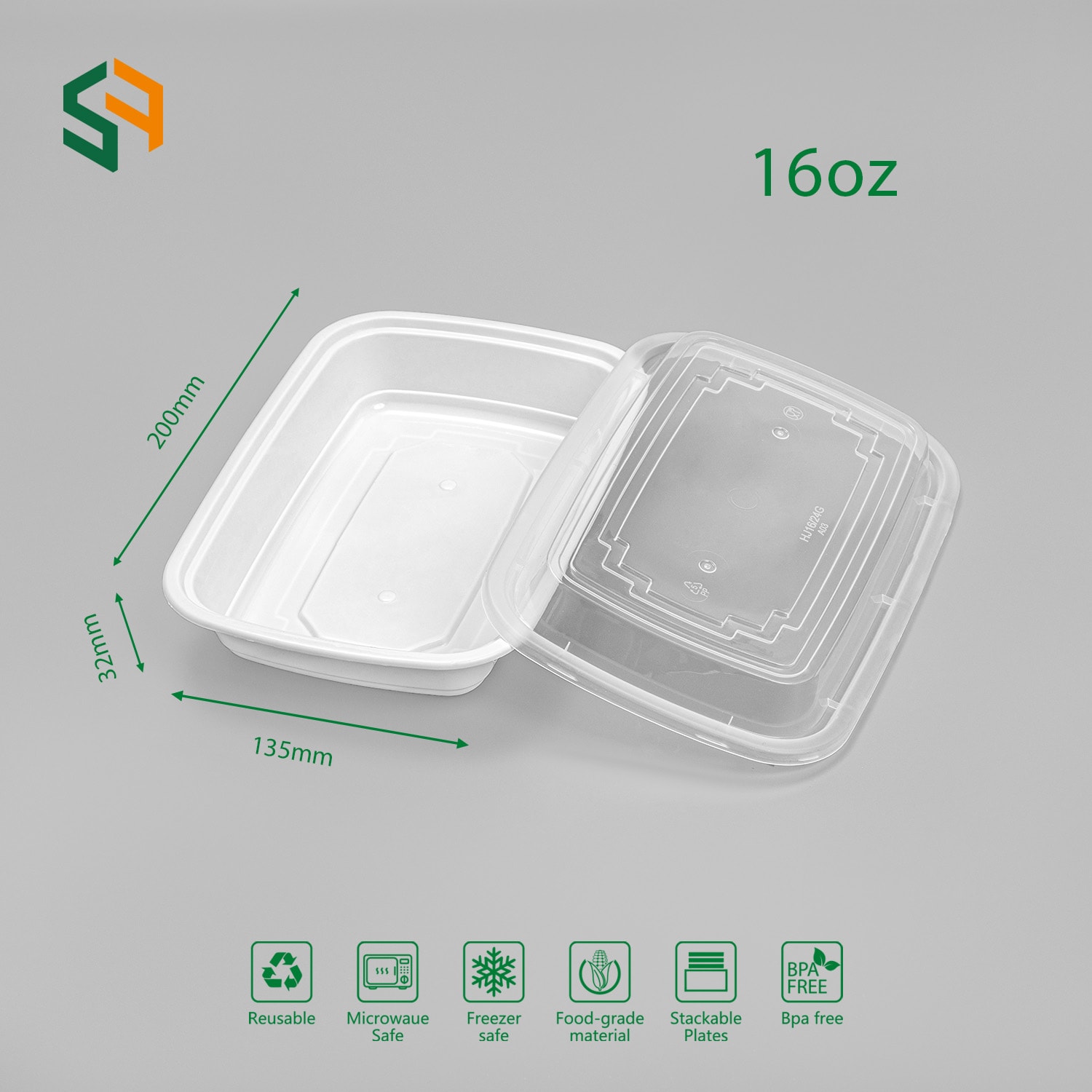
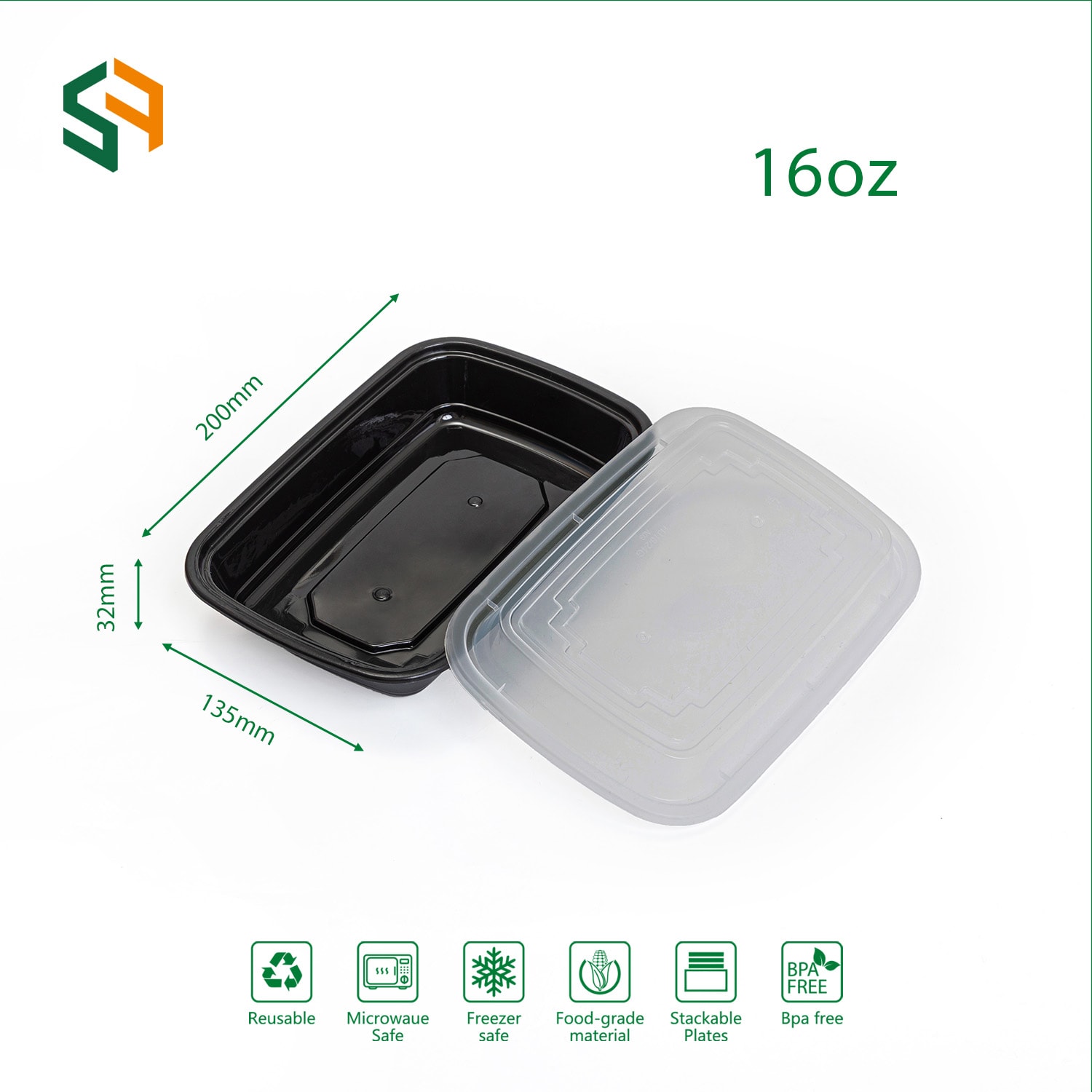
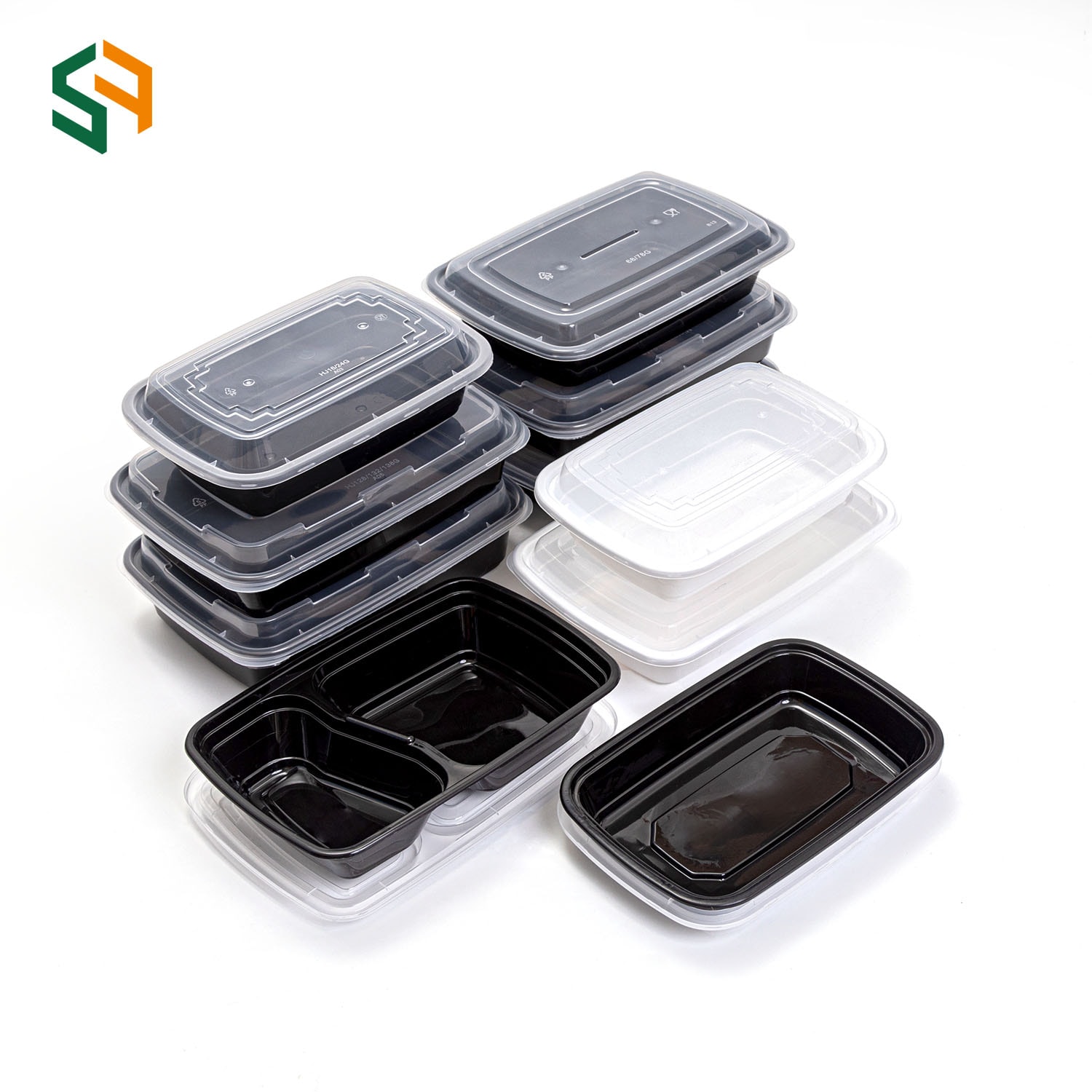
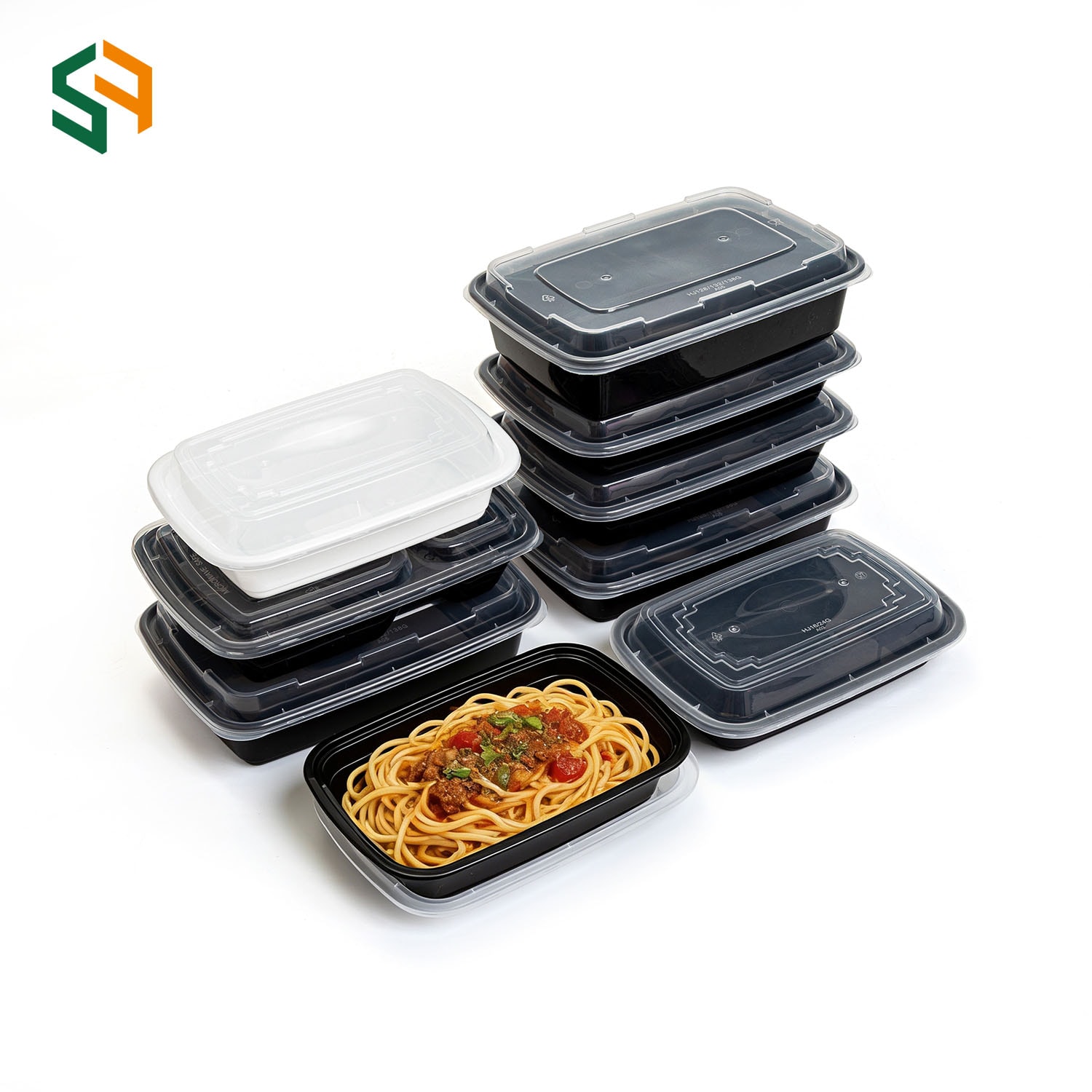
Understanding PP Food Containers: Unlocking New Packaging Value from Raw Materials to Applications
When it comes to plastic lunch boxes, the first thing that comes to mind is PP food containers, but many people only know their name and are not sure why they have been able to establish themselves in the food packaging market for a long time. Polypropylene raw material itself belongs to thermoplastic resin, non-toxic and odorless, and is recognized as a safe material in the domestic and international food packaging field. It is also the main substrate for food vacuum packaging.
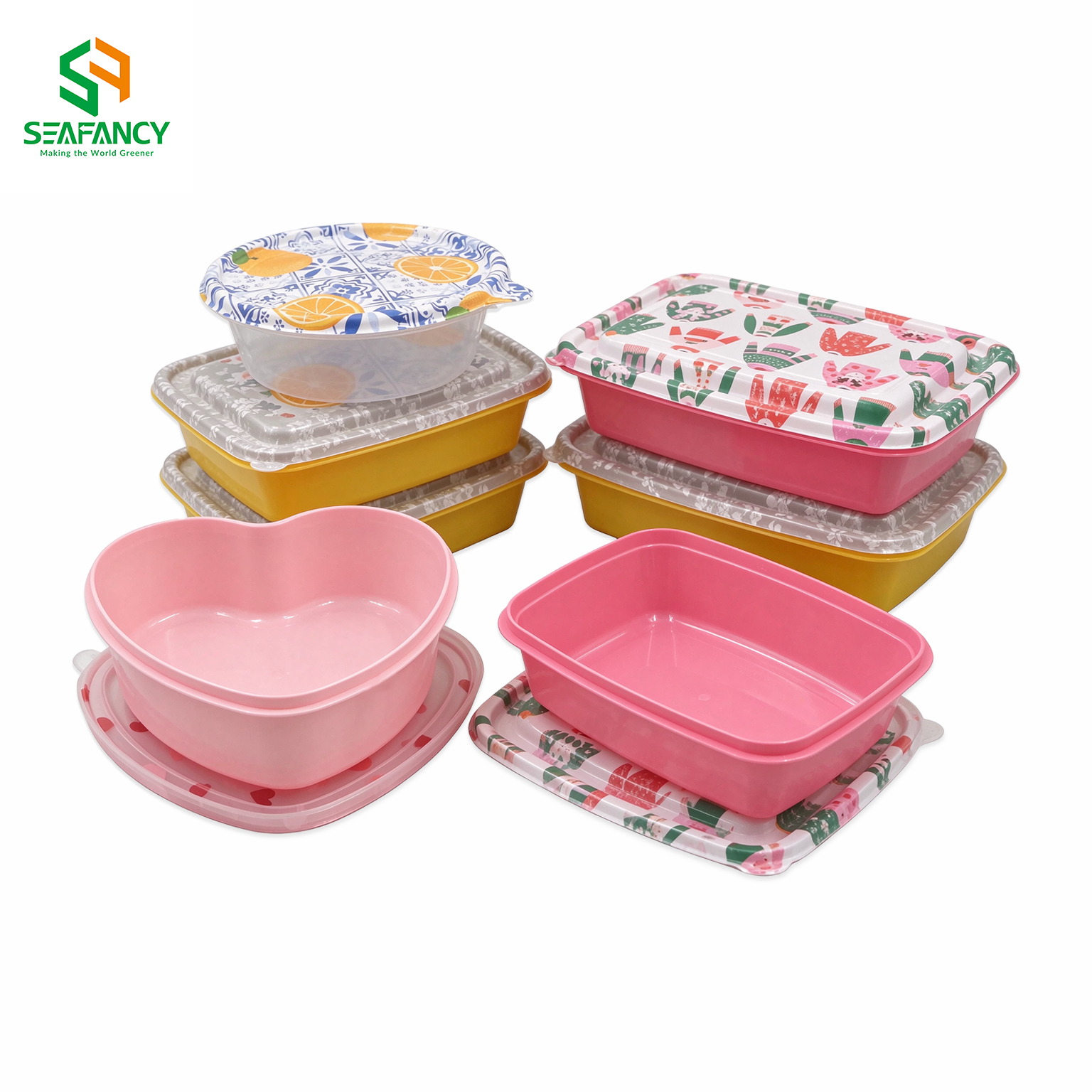
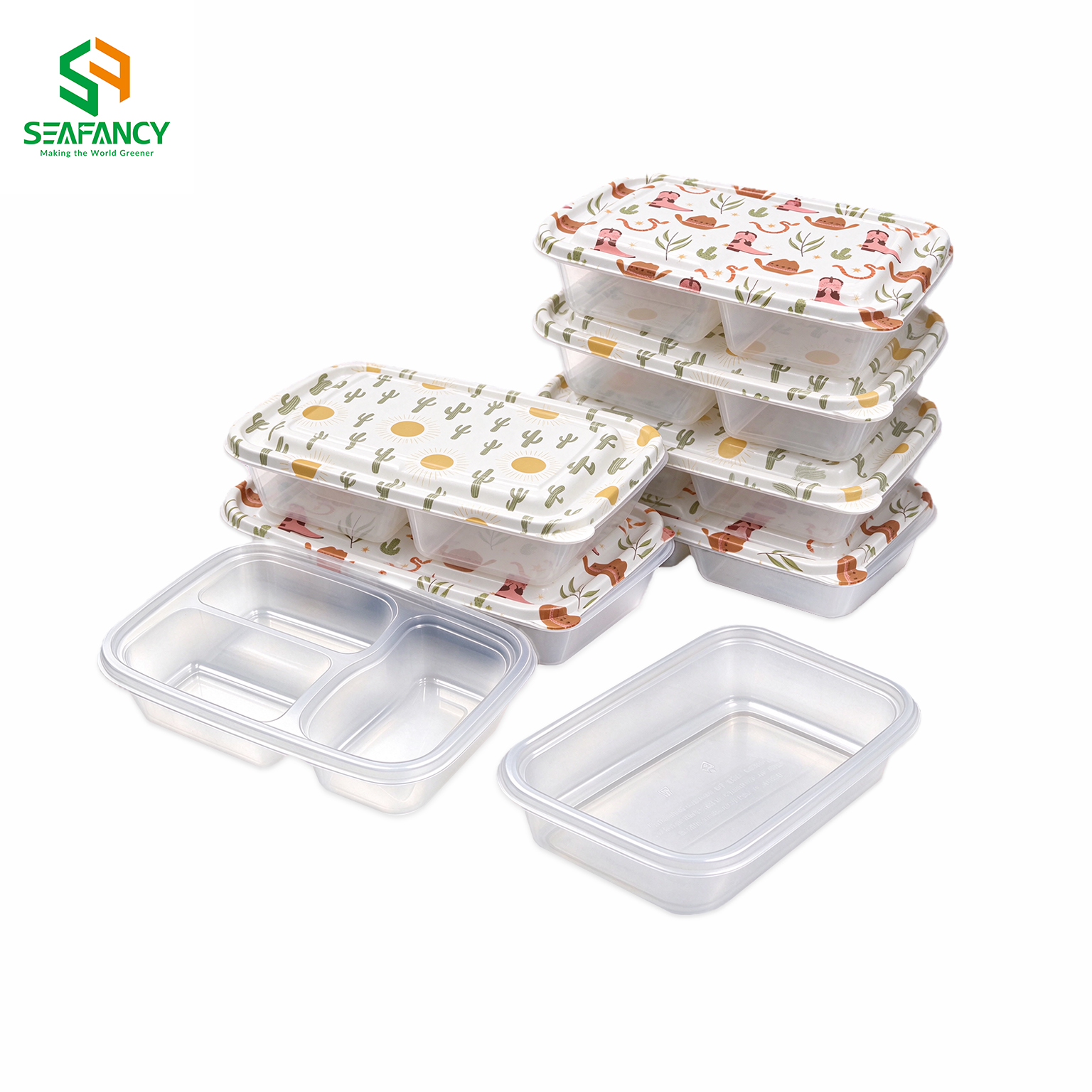
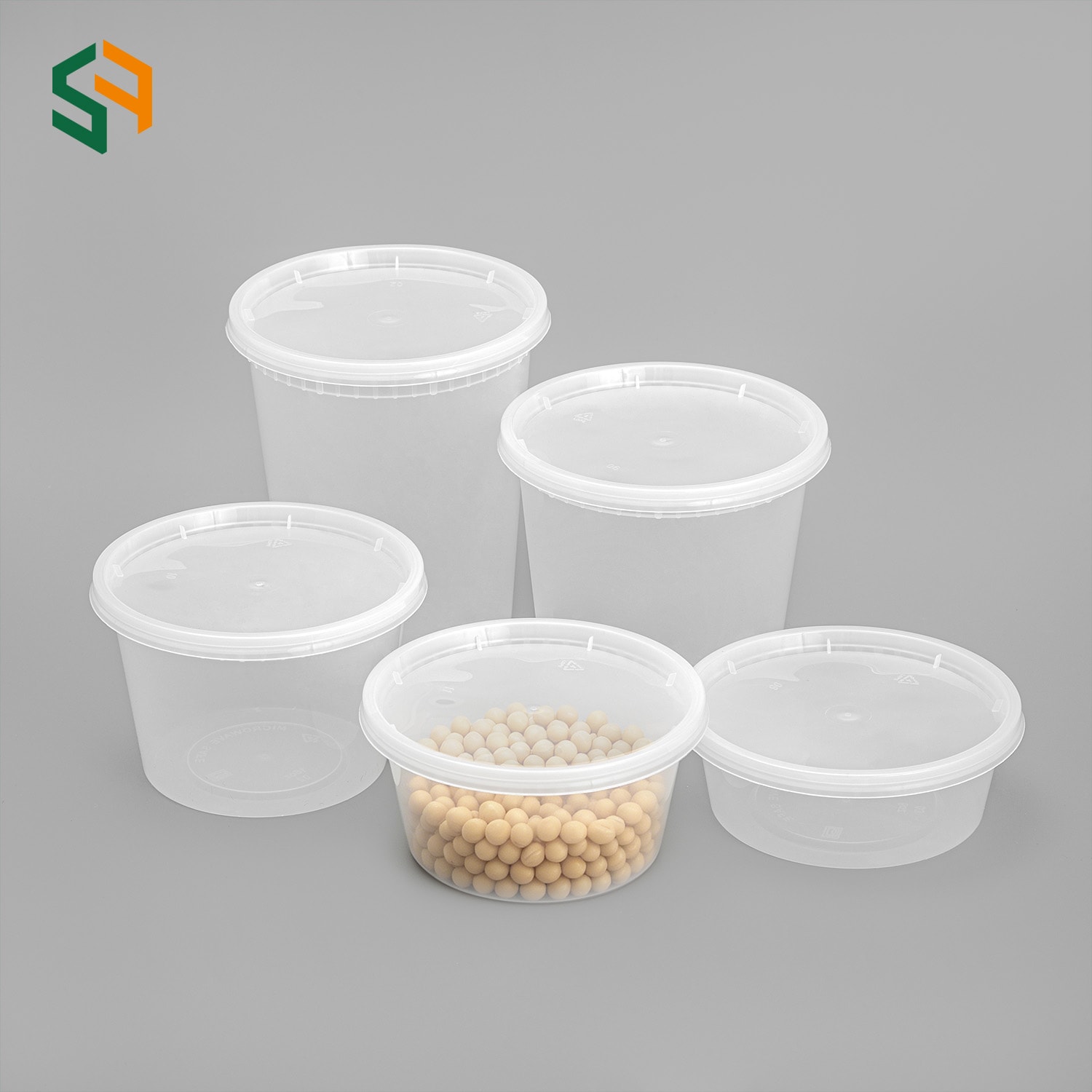
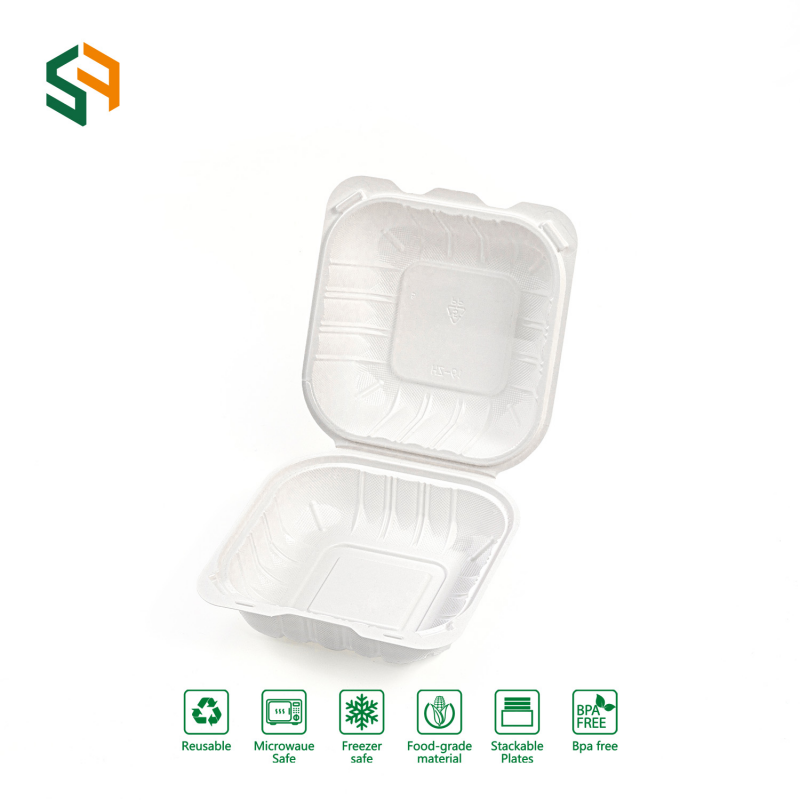
Comparing common packaging materials such as PET and PS, the comprehensive performance advantages of PP are clear at a glance. PS material is prone to becoming brittle and releasing odors when exposed to heat. PET is generally not suitable for microwave heating, while PP containers have a wider range of applications, including being able to hold hot food and also suitable for quick freezing and freshness preservation. The high resilience version of the PP lunch box is resistant to drop and compression, making it less likely to crack or leak during long-distance and takeaway deliveries, greatly reducing the merchant's loss rate; The transparent PP tray has a good display effect and is commonly used for packaging fruits, fresh meat, and cooked food, making it convenient for consumers to visually see the ingredients.
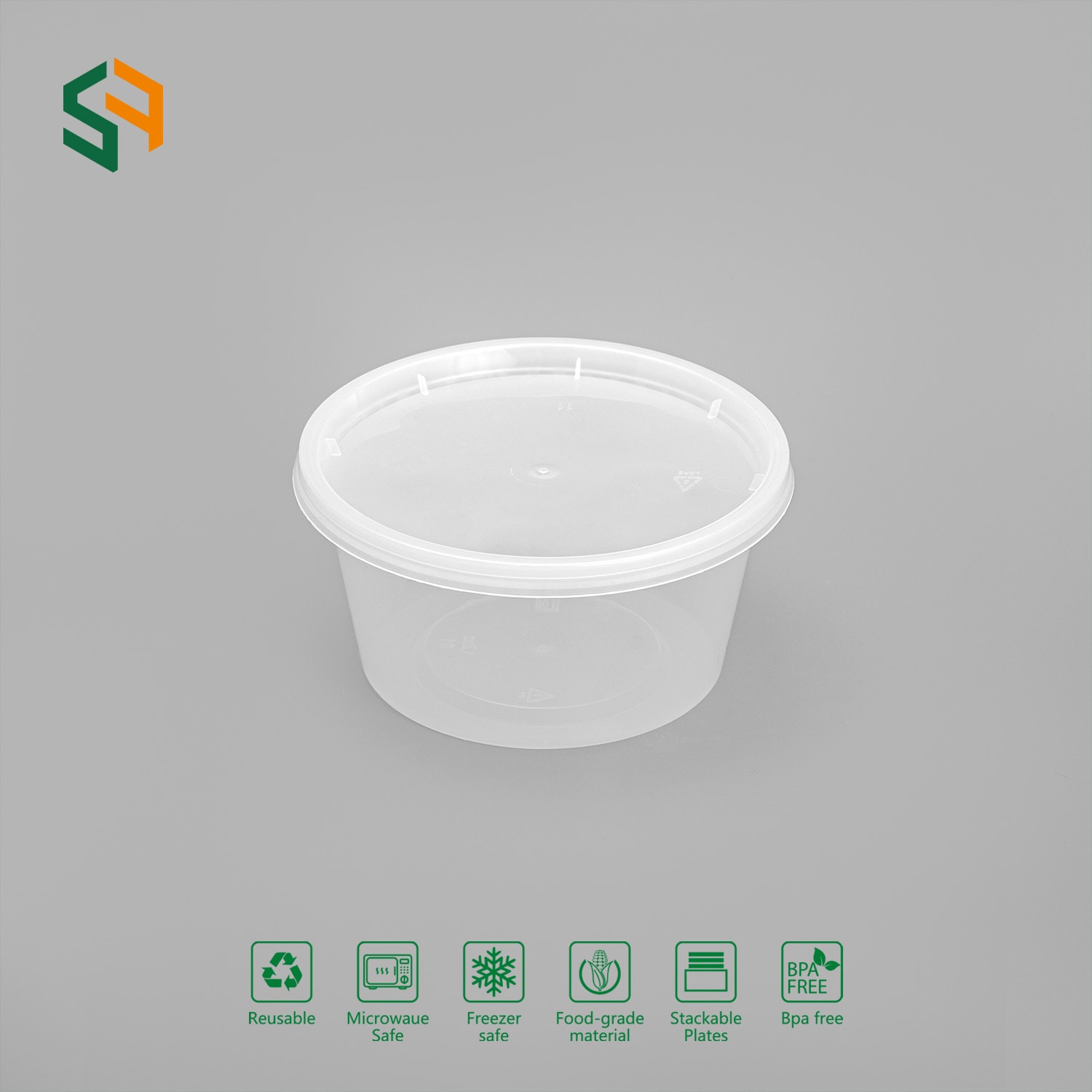
On the supply chain side, PP food container production is mature, and the source manufacturer supports customized services: adjustable thickness, grid structure, printing brand logo, and can also be matched with sealing film to achieve controlled atmosphere packaging, extending the shelf life of fresh and cooked food. Whether it is a large-scale centralized procurement canteen, a chain food delivery brand, or an enterprise that specializes in pre made and clean food processing, a budget matching solution can be found. At the same time, the recycling channels are gradually improving, and the recycled PP can be further processed, promoting the transformation of the packaging industry towards sustainability.
Of course, quality difference is the top priority when choosing. Low priced and inferior containers on the market are often mixed with recycled materials, which have poor toughness and are prone to deformation when exposed to heat, posing safety hazards. Reliable suppliers will use new food grade PP raw materials, provide testing reports, and ensure that the finished products meet the standards for food contact materials. When choosing, prioritize products with a smooth surface, no pungent odor, and complete labeling.
Under the upgrading of consumption, people no longer only require food packaging to be "able to fit", but also value safety, aesthetics, freshness preservation, and environmental protection. PP food containers, with their mature and stable comprehensive performance, constantly iterate and upgrade to serve various fields such as catering, fresh food, and pre made dishes. They are not only the mainstream packaging of today, but also an indispensable part of the future green food supply chain.