Leave Your Message
High-clarity, leak-resistant, and structural-grade solutions tailored for American foodservice operations and wholesale distributors.
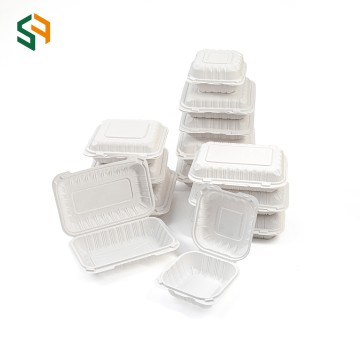
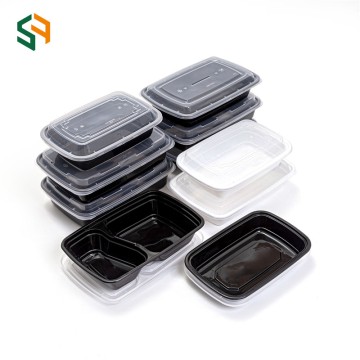
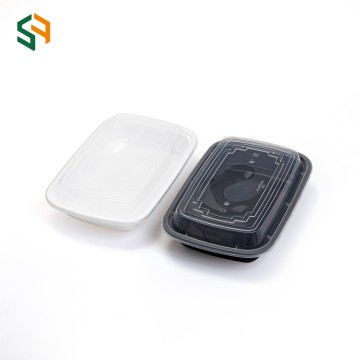
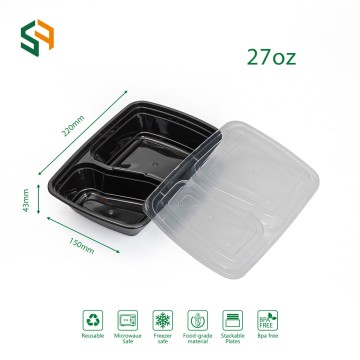
In the United States, the commercial packaging industry has witnessed an unprecedented transformation over the last decade. Plastic clear hinged containers, commonly referred to as clamshell containers, have become the cornerstone of modern food retail, quick-service restaurants (QSRs), and institutional foodservice operations. The rise of third-party delivery applications such as DoorDash, UberEats, and Grubhub has catalyzed a massive surge in the demand for packaging that is not only secure and leak-proof but also visually appealing.
From a commercial standpoint, clear plastic clamshells offer food service owners a significant advantage: product visibility. In the competitive American grocery and deli landscape—where grab-and-go prepared meals have grown by over 20% post-pandemic—visual presentation directly correlates with consumer purchase decisions. High-clarity PET (Polyethylene Terephthalate) and PP (Polypropylene) hinged containers allow fresh salads, gourmet pastries, sushi, and hot deli items to market themselves directly from the refrigerated display cases.
Furthermore, the industrial footprint of food packaging in the US is heavily governed by strict regulatory frameworks. The Food and Drug Administration (FDA) mandates rigorous testing for direct food-contact materials. Modern manufacturing facilities must comply with these guidelines, ensuring that containers are free from harmful chemical migration and heavy metals. As regional distribution networks span across the East Coast, Midwest, and West Coast, suppliers must ensure that their logistics and packaging solutions can withstand varying environmental temperatures and transportation stresses without cracking or warping.
The food packaging sector in the United States is rapidly pivoting toward two primary technological paradigms: advanced materials engineering and circular design. As municipal regulations across states like California, New York, and Washington enforce bans on expanded polystyrene (EPS/Styrofoam), the market has shifted entirely toward recyclable and compostable alternatives.
Key industry trends currently driving the market include:
The push for PET (#1) and PP (#5) polymer structures that are widely accepted by municipal recycling facilities (MRFs) throughout North America, supporting a closed-loop economy.
Integration of advanced anti-fog additives that prevent condensation, ensuring hot or cold food remains perfectly visible under supermarket lighting.
Utilizing high-speed optical inspection systems during the thermoforming process to identify and discard containers with wall thickness variations or structural defects.
To meet these market demands, manufacturers are upgrading from traditional thermoforming machines to multi-station positive-negative pressure automatic thermoforming lines. This high-precision manufacturing methodology ensures consistent wall thickness, robust hinge durability (preventing accidental tearing during opening), and perimeter seals that provide superior leak resistance. Additionally, the development of bio-based modifications to standard polypropylene sheets allows for microwave-safe performance while drastically reducing carbon footprints during the raw material extraction phase.
To be your trusted partner in sustainable food packaging – delivering high-value products, reliable quality, and excellent service.
With years of experience in disposable tableware, we use 100% compostable, bio-based, and biodegradable materials to reduce fossil fuel dependency. Precision manufacturing ensures every container is durable, safe, and able to return to nature responsibly.
We are committed to a greener future – helping you serve meals in a way that protects both health and the planet.
The versatility of clear hinged containers allows them to seamlessly fit into diverse business models across the United States. Depending on the region and the specific culinary culture, these containers serve distinct operational needs:
By selecting the correct material formulation (such as PP for heat resistance or PET for maximum clarity), US food operators can optimize their food presentation, minimize food waste due to spoilage or spills, and enhance overall customer satisfaction.
When sourcing clear hinged containers in bulk, pricing is influenced by material composition (PET vs. PP vs. Bio-based), container volume, design complexity (single vs. multi-compartment), and order volume. Below is an estimated wholesale pricelist guide for the United States market.
| Container Type / Size | Material | Common Application | Est. Price per Case (Bulk Order) | MOQ (Cases) |
|---|---|---|---|---|
| 6" x 6" Single Compartment | High-Clarity PET | Sandwiches, Pastries, Small Salads | $32.50 - $38.00 | 100 Cases |
| 8" x 8" Single Compartment | Microwavable PP | Hot Entrees, Takeout Lunch Boxes | $42.00 - $48.50 | 100 Cases |
| 9" x 9" 3-Compartment | Heavy-Duty PP | Sectioned Meals, BBQ, Catering | $49.00 - $56.00 | 50 Cases |
| Round Salad Bowls (24oz - 32oz) | Recyclable PET | Cold Salads, Fruit Platters | $35.00 - $42.00 | 100 Cases |
| Bio-Based Biodegradable Clamshell | Modified PLA/PP | Eco-Conscious Foodservice | $55.00 - $65.00 | 150 Cases |
Note: Actual pricing may vary based on custom branding options, regional freight costs, and raw polymer market fluctuations. For custom quotes and container customization (embossed logos, specific ventilation holes, etc.), please contact our US sales division directly.
From local industrial packaging to a global leader in sustainable food packaging technology.
Explore our full selection of high-quality food packaging products. Click on any product card below to request pricing or technical specifications.