Leave Your Message
High-performance, stackable, and microwavable food containers designed to streamline food prep and delivery operations.
The global food service landscape has undergone a tectonic shift over the past decade. The meteoric rise of delivery-only restaurant concepts—variously known as cloud kitchens, ghost kitchens, dark kitchens, or virtual brands—has completely decoupled the dining experience from the physical restaurant space. Today, the consumer's dining room is the new restaurant floor, and the delivery courier is the new waitstaff. In this highly digitized, logistics-heavy ecosystem, the physical touchpoint between a culinary brand and its customer is no longer a porcelain plate or a beautifully decorated dining table; it is the plastic take out food container.
For commercial food service operators and cloud kitchen managers, packaging is no longer just an operational expense or an afterthought. It is a critical vector of brand identity, food safety, thermal preservation, and customer satisfaction. A meal prepared to perfection by a Michelin-starred chef or a high-efficiency automated kitchen can be completely ruined in transit if the packaging fails. Leaking sauces, soggy textures, collapsed containers, and cold food are the primary drivers of negative online reviews and lost repeat business. Consequently, selecting the engineered plastic take out food container has become a strategic priority for commercial food brands aiming to scale their delivery operations.
"In the delivery-first era, packaging is the plate. It is the single physical manifestation of your brand that enters the customer's home. It must perform flawlessly under pressure, maintain thermal integrity, and reflect a commitment to quality and sustainability."
The commercial food packaging industry is currently experiencing rapid evolution driven by technological advancements, material sciences, and shifting consumer expectations. Polypropylene (PP) remains the undisputed gold standard for hot food delivery. Its high melting point (approximately 160°C or 320°F) makes it inherently microwavable and resistant to hot oils, which is essential for Asian cuisines, pasta dishes, gravies, and fried foods.
One of the most significant trends in the commercial food service sector is the transition toward thin-wall injection molding technology. By utilizing advanced CNC molds and high-speed precision injection machines, manufacturers can produce containers that are lighter, using up to 20% less raw plastic material, without sacrificing structural rigidity. These containers feature reinforced rims, anti-slip stacking grooves, and snap-lock sealing systems that prevent accidental opening during transit. Furthermore, the integration of post-consumer recycled (PCR) plastics and hybrid materials—such as blending mineral fillers or corn starch with polypropylene—helps commercial kitchens reduce their overall carbon footprint while maintaining the structural benefits of traditional plastics.
Another macro trend is the optimization of container geometry for third-party delivery dispatch bags. Delivery riders often stack multiple orders vertically in insulated backpacks. Containers must be engineered with load-bearing structures that prevent the bottom container from collapsing under the weight of those above it. Our pressure-proof clamshell designs and rigid rectangular boxes are specifically engineered to withstand vertical loads, ensuring that every meal arrives looking exactly as it did when it left the kitchen pass.
A one-size-fits-all approach to packaging is a recipe for operational failure in commercial food service. Different culinary styles impose distinct thermal, chemical, and physical demands on packaging materials. Below, we analyze how specific container designs solve real-world operational challenges in high-volume kitchens:
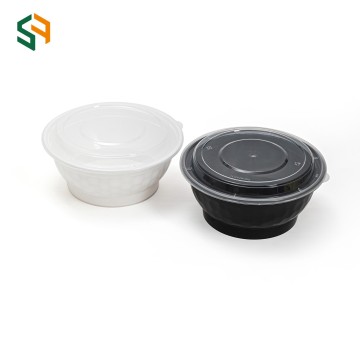
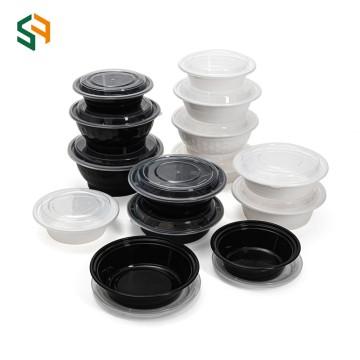
Liquid-heavy, near-boiling dishes present the ultimate test for food packaging. Traditional paper cups or low-grade plastic containers often soften, warp, or leak at the seams under extreme heat. For these applications, high-density, leak-proof round PP bowls are indispensable. These bowls feature a double-sealing rim that creates a hermetic lock with the lid, preventing messy spills even if the container is tilted or shaken during transit. The thermal properties of PP ensure that the liquid remains hot, while the exterior of the bowl remains safe for the consumer to hold.
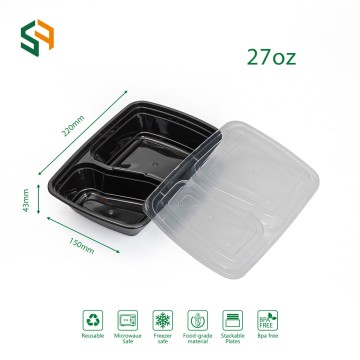
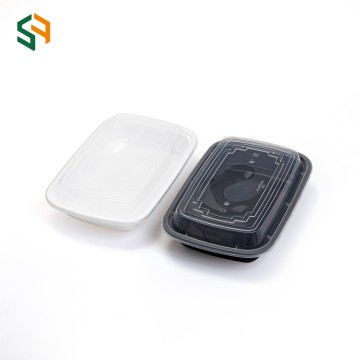
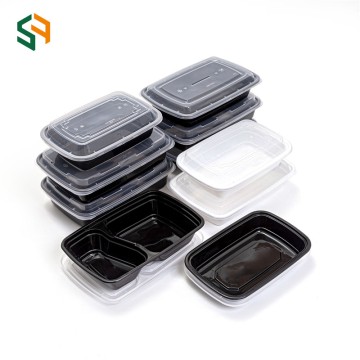
For premium meal prep services, corporate catering, and traditional bento-style menus, maintaining the separation of food elements is critical. If a crisp salad or pickled vegetable comes into contact with hot gravy or rice during transit, the textures degrade, and the visual presentation is ruined. Multi-compartment rectangular plastic meal containers solve this challenge by utilizing internal divider walls that seal directly against the lid. This prevents flavor transfer and cross-contamination, ensuring that cold items stay cold, dry items stay dry, and hot items stay hot within their designated zones.
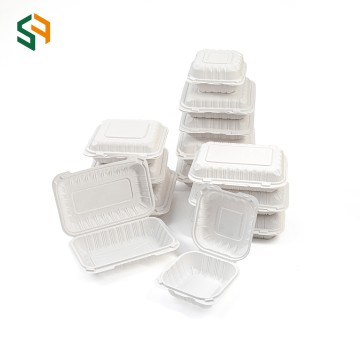
Cloud kitchens operate on razor-thin margins and tight timeframes. During peak hours, kitchen staff must package and seal dozens of orders per minute. Hinged clamshell containers are the preferred choice for fast-casual concepts, burgers, and fried chicken brands. Because the lid is permanently attached to the base, workers do not waste valuable seconds searching for matching lids. The snap-action lock provides an audible "click" that confirms a secure seal, reducing packaging time by up to 30% compared to traditional two-piece containers.
Sushi, salads, cold meats, and desserts require packaging that emphasizes visual clarity and freshness. In these scenarios, high-clarity PET (polyethylene terephthalate) or specialized clear PP lids are utilized. The anti-fog technology applied to the inner surface of the lids prevents condensation from clouding the view, showcasing the vibrant colors of the fresh ingredients. A visually stunning presentation directly translates to perceived value, driving positive social media sharing and brand loyalty.
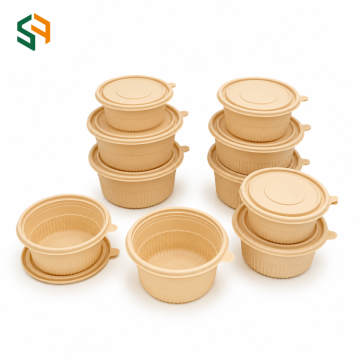
As environmental regulations tighten globally, the food packaging industry is actively innovating to balance performance with ecological responsibility. The integration of bio-based polymers, such as corn-starch composites, represents a major step forward. These hybrid materials significantly reduce the consumption of petroleum-based plastics while retaining the essential properties required for commercial food service: microwavability, oil resistance, and structural strength.
At the same time, design-for-recyclability has become a core engineering principle. Modern plastic take out containers are increasingly designed as single-material systems (monomaterials). By manufacturing both the container base and the lid from the same grade of polypropylene, the entire package can be easily processed in standard municipal recycling streams without the need for manual separation. This circular economy approach ensures that today's delivery container can become tomorrow's industrial raw material, minimizing waste and conserving resources.
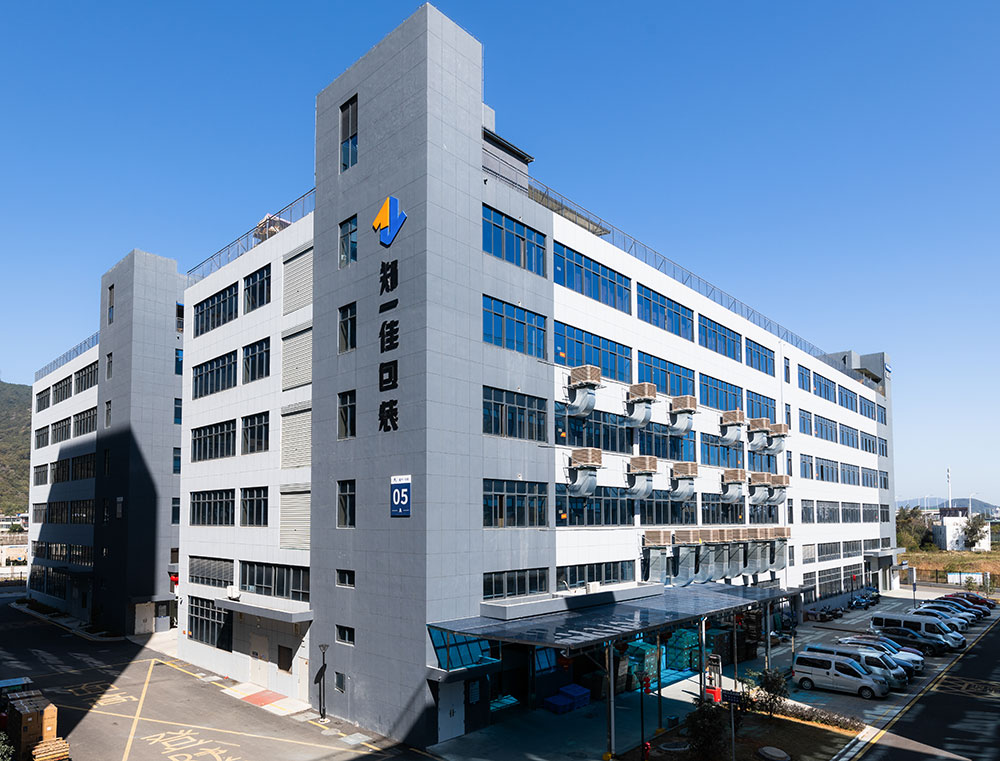
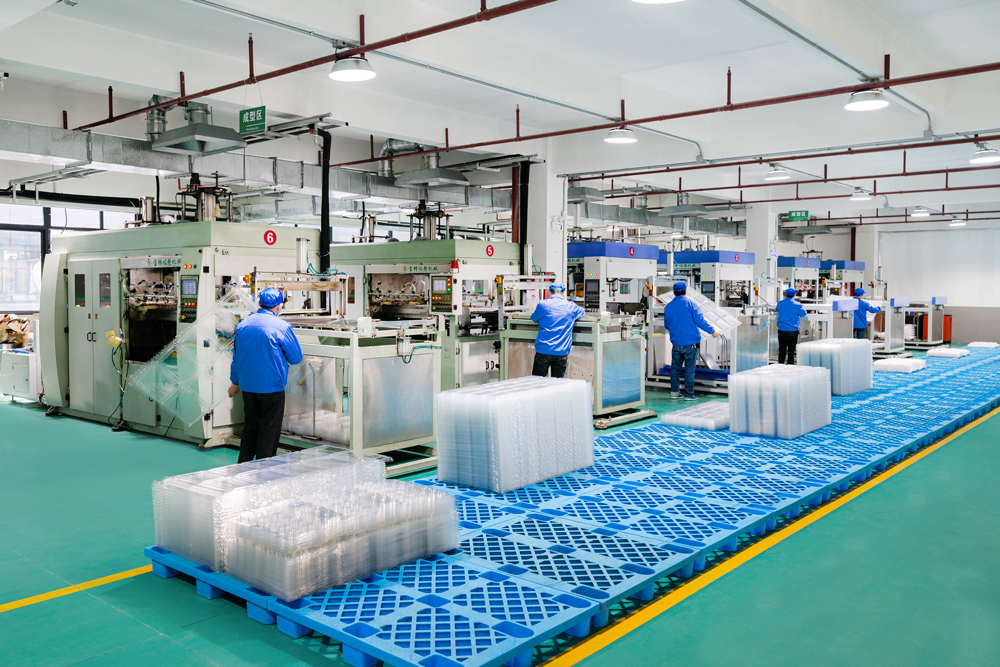
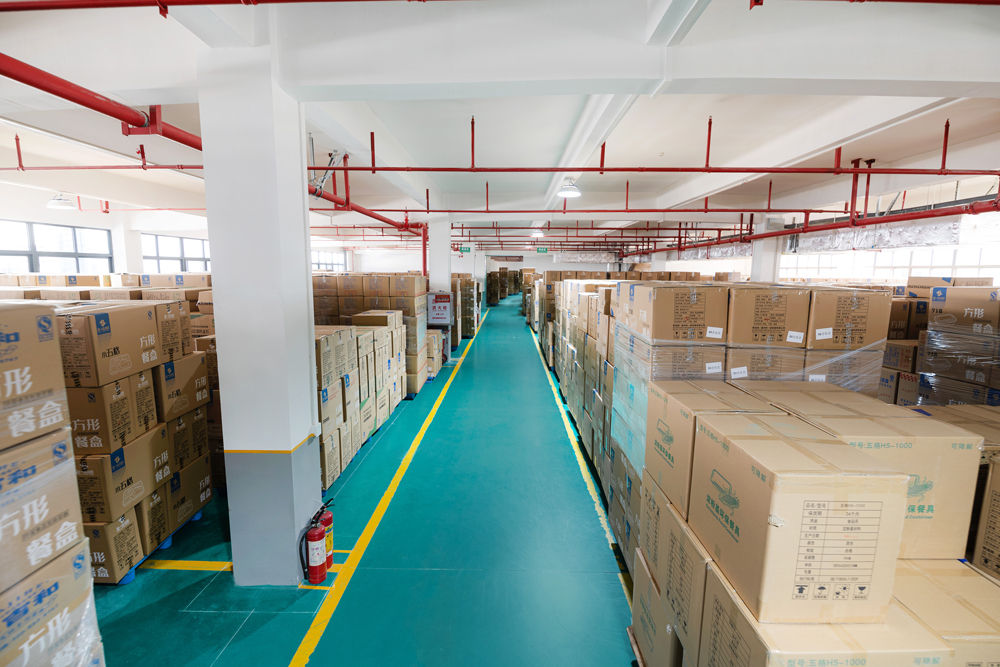
With 20 years of industry expertise, we are a professional manufacturer focused on the R&D and production of food packaging containers. Located in Fuzhou City, Fujian Province, China, we own an 18,000m² modern production base equipped with high-standard clean workshops and over 50 automated production lines, supported by a professional team of more than 100 members.
Backed by our fully integrated production system covering the entire process from raw materials to finished products, we deliver comprehensive control over quality and efficiency across every stage of manufacturing. By combining our in-house CNC mold technology with strict quality control, we ensure safety, stability, and reliability of every product.


Engineered for hot meal delivery and commercial catering.
One-piece clamshell design for rapid, secure sealing.
High-clarity storage solutions for salads, cold cuts, and sides.
Eco-friendly materials including starch-based composites.
Sturdy, leak-proof trays for fresh meat, produce, and meal prep.
Specialized small-portion cups and aesthetic sushi trays.
With over 100 in-house mold systems, we respond quickly to your custom needs and deliver end-to-end packaging solutions. Committed to exceptional value and uncompromising quality, we directly enhance your customers' satisfaction and strengthen your market position.
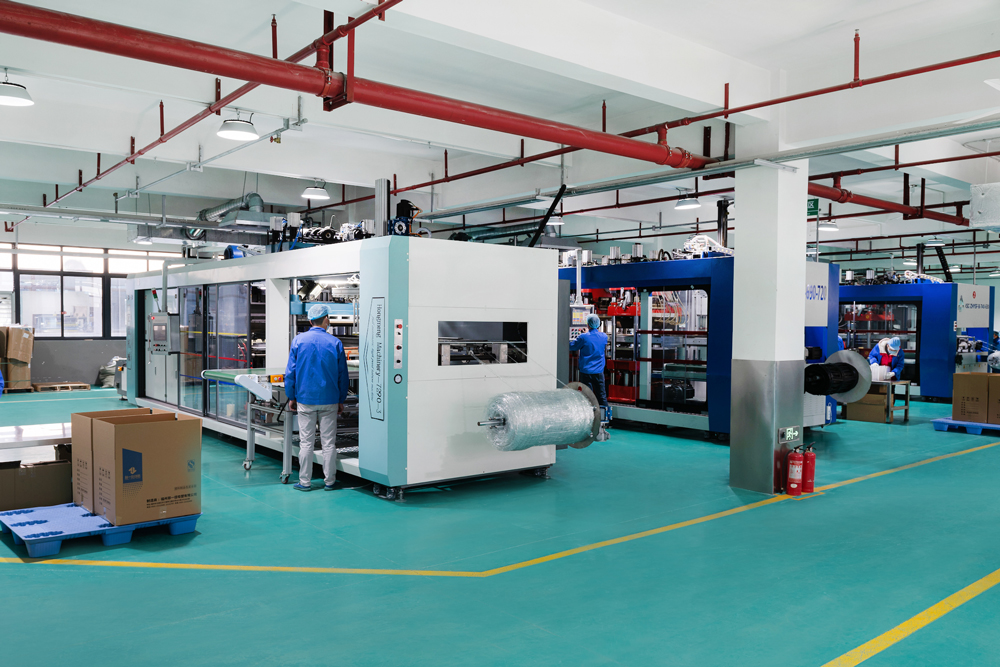
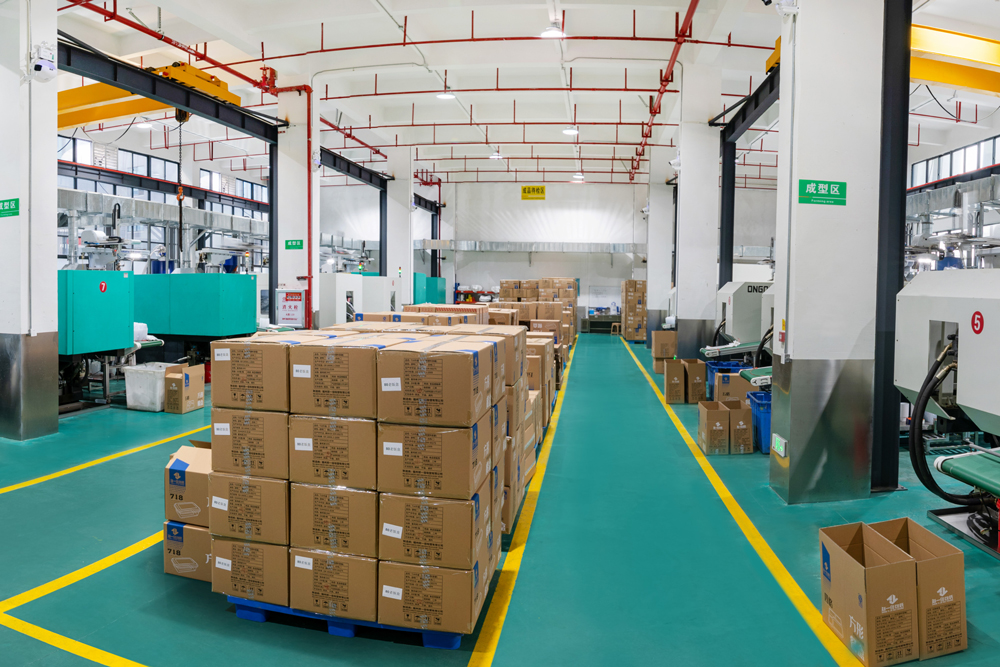
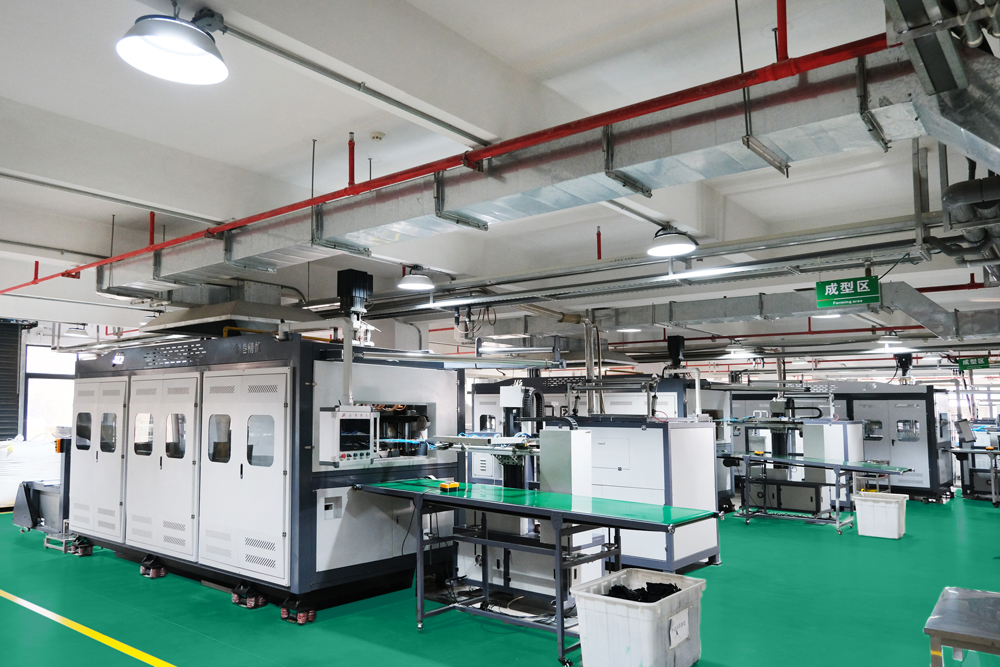
We are certified to ISO9001, ISO14001, HACCP, and QS for food-grade packaging. Our state-of-the-art laboratory performs regular testing for thermal stability, load capacity, leak resistance, and chemical migration to ensure that every container delivered to your kitchen meets international safety standards.
Our forward-looking approach, reliable quality, and competitive pricing have earned long-term trust from global customers. With years of experience, we deliver high-quality products; through continuous innovation, we drive sustainable development. We are committed to healthy lifestyles and a greener future with sustainable packaging solutions.
Explore our full line of disposable, recyclable, and microwave-safe containers engineered for cloud kitchens and professional food services worldwide.