Leave Your Message
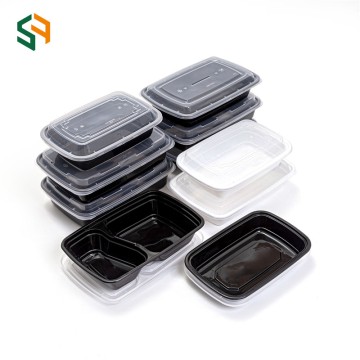
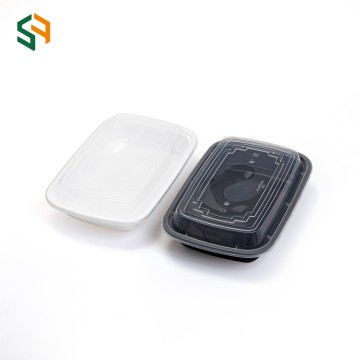
The global food service landscape has undergone a monumental shift. Off-premise dining, driven by digital ordering platforms, cloud kitchens, and shifting consumer habits, is no longer just a secondary revenue stream for restaurants—it is often the primary driver of growth. In this highly competitive market, the quality of delivery packaging is just as critical as the quality of the food itself. Plastic take out food containers for restaurant food delivery and takeout serve as the essential bridge between the commercial kitchen and the customer's dining table. High-performance, functional, and aesthetically pleasing packaging ensures that culinary creations arrive in pristine condition, maintaining temperature, texture, and presentation.
Engineered to resist pressure and stack safely in delivery bags without collapsing.
Microwave-safe PP materials that tolerate high temperatures and maintain heat.
Precision-engineered snap lids that prevent messy spills during transit.
From an industrial perspective, the manufacturing of plastic take out food containers has transitioned from basic thermoforming to highly sophisticated polymer engineering. The modern food service industry demands packaging that satisfies multiple stakeholders: restaurant operators require cost-effective and stackable designs; delivery couriers need durable and impact-resistant structures; and end consumers demand microwave-safe, leak-proof, and environmentally responsible solutions.
To meet these diverse requirements, manufacturers utilize advanced material formulations, primarily Polypropylene (PP). PP is widely recognized for its high heat distortion temperature, chemical resistance, and excellent mechanical properties, making it the industry standard for hot food delivery. Furthermore, the integration of bio-based additives and the development of starch-based composites are paving the way for sustainable packaging alternatives that align with global carbon neutrality initiatives.
Different cuisines pose unique structural challenges to packaging materials. A standard single-use container cannot accommodate all food types. Here is a breakdown of how customized plastic food containers serve specific culinary applications:
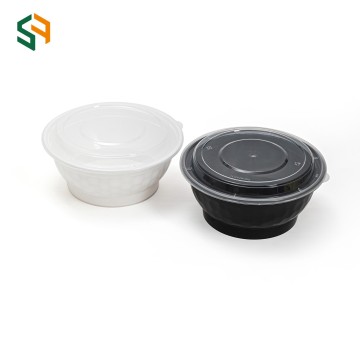
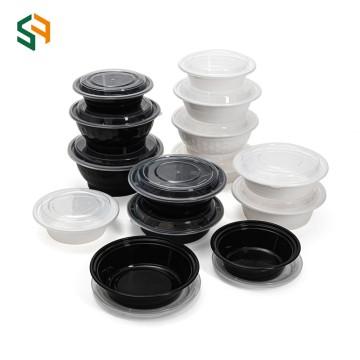
Ramen, hot pots, and traditional broths require containers that can handle near-boiling temperatures without losing structural rigidity. Leak-proof round PP bowls equipped with inner sealing rims prevent catastrophic spills during motorcycle or bicycle transit, ensuring that the consumer receives their meal exactly as the chef intended.
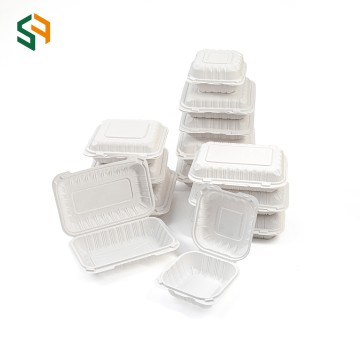
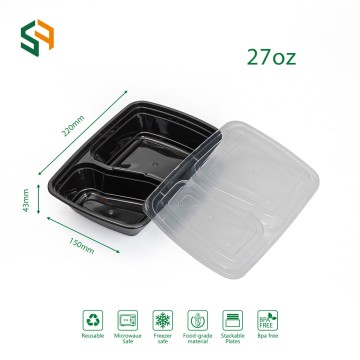
For dishes like teriyaki, curry with rice, or traditional American-style combos, cross-contamination of flavors and textures can ruin the meal. Multi-compartment rectangular plastic meal containers solve this by keeping sauces, proteins, and starches physically isolated. This structural design prevents soggy textures and preserves individual flavor profiles.
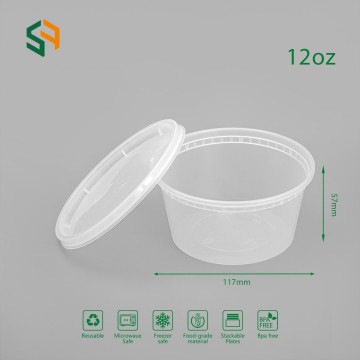
The rise of subscription-based meal prep services has created a demand for containers that transition seamlessly from the freezer to the microwave. High-clarity, airtight rectangular containers allow consumers to inspect food freshness before purchase, store the meal safely in cold storage, and reheat it directly in the original packaging.
As environmental regulations tighten globally, the packaging industry is heavily investing in material circularity. While traditional plastics like PET and PP remain essential due to their barrier properties and cost-efficiency, the integration of post-consumer recycled (PCR) content and bio-based alternatives is accelerating.
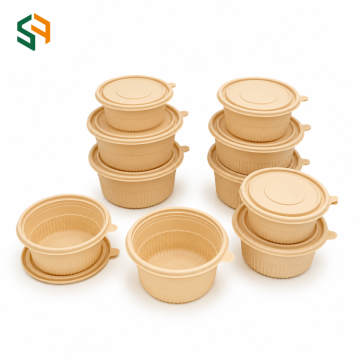
Bio-based corn starch containers offer a compelling hybrid solution. By blending natural starches with food-grade polymers, manufacturers can reduce fossil fuel dependency by up to 50% without compromising the container’s ability to hold hot, oily, or acidic foods. Simultaneously, the recyclability of standard PP containers is being enhanced through cleaner manufacturing processes and clearer labeling, prompting consumers to participate in recycling loops.
The production of modern food containers is characterized by high-speed, fully automated manufacturing lines. Multi-station positive-negative pressure thermoforming machines, integrated with robotic stacking and packaging arms, have replaced older, labor-intensive methods. This technological evolution has several critical benefits:
When selecting plastic take out food containers, restaurant owners must evaluate several key factors to optimize both operational efficiency and customer satisfaction:
To be your trusted partner in sustainable food packaging – delivering high-value products, reliable quality, and excellent service.
With years of experience in disposable tableware, we use 100% compostable, bio-based, and biodegradable materials to reduce fossil fuel dependency. Precision manufacturing ensures every container is durable, safe, and able to return to nature responsibly.
We are committed to a greener future – helping you serve meals in a way that protects both health and the planet.
Innovation, Quality & Sustainability