Leave Your Message
Engineered to endure the transition from blast-freezing environments to industrial reheating workflows.
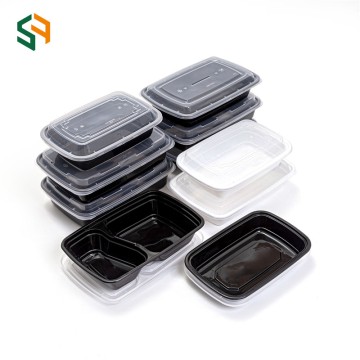
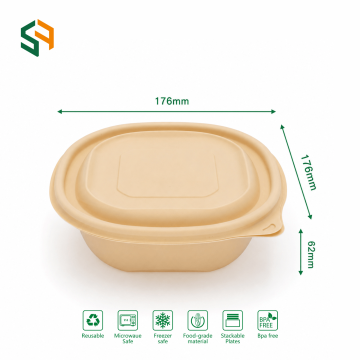
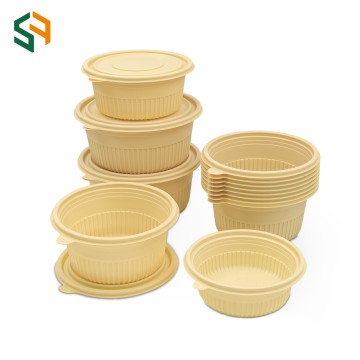
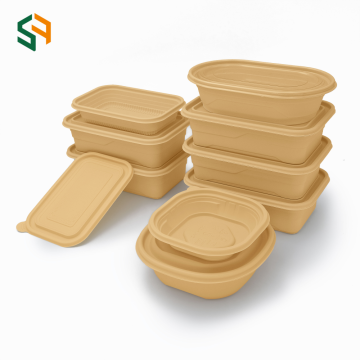
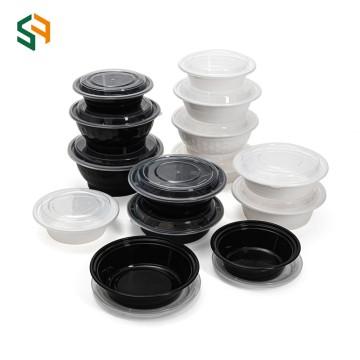
Analyzing technical packaging demands across modernized food service commissaries and cold chains.
The global restaurant industry is witnessing an unprecedented architectural shift. Driven by urban real estate premiums, surging labor overheads, and the rise of multi-unit cloud kitchen infrastructures, food brands are progressively decoupling culinary preparation from local dining rooms. At the core of this operational transformation lies the central production facility—commonly referred to as the central kitchen or food commissary. In these hyper-standardized industrial food plants, bulk production, sous-vide processing, and rapid blast chilling convert fresh ingredients into high-quality, pre-portioned chilled and frozen meal components. Nevertheless, preserving culinary integrity throughout the blast freezing, warehousing, long-distance cold-chain logistics, and end-stage reconstitution cycle relies fundamentally on a high-performance substrate: engineered restaurant takeaway containers designed specifically for deep freeze and distribution.
Conventional plastics turn brittle under blast-freezer conditions (-40°C to -18°C). Advanced polypropylene (PP) compounds and bio-mineralized blends retain tensile flexibility, eliminating container fracturing along mechanical edges during high-speed distribution.
Central kitchens utilize de-nesters, automated multi-head weighers, liquid sauce dispensers, and continuous heat-sealing conveyors. Precision container structural rigidity ensures jam-free automated handling across high-speed packing lines.
Modern consumers and ghost kitchens demand straight-from-freezer-to-microwave functionality. Thermal stability prevents hydrocarbon leaching, wall buckling, and hermetic seal failures throughout sudden 120°C temperature transitions.
Cold-chain logistics is inherently volatile. While standardized transportation aims for stable sub-zero environments, micro-defrost events frequently transpire during pallet transfer, cross-dock handling, and regional vehicle dispatch. When ordinary food packaging is subjected to these microscopic freeze-thaw shifts, condensation builds inside the cavity, leading to ice crystallization, loss of moisture, and severe freezer burn. The degradation of taste, structural collapse of delicate emulsions, and moisture penetration into breaded surfaces compromise brand prestige.
To eliminate these industrial pain points, next-generation packaging deploys engineered barrier technologies. High-density sealing rims, ultra-flat perimeter flanges designed for film lidding, and modified-atmosphere-packaging (MAP) compatibility purge atmospheric oxygen, substituting it with calibrated nitrogen-carbon dioxide gas mixtures. This process retards enzymatic oxidation, stabilizes shelf life past 9 to 12 months in cold storage, and sustains the sensory characteristics established by executive commissary chefs.
Industrial Focus: For modern multi-outlet chain restaurants, packaging is no longer a peripheral consumable—it is an active asset in standardizing food cost, extending product radius from 5 miles to cross-country freight lines, and guaranteeing zero food-borne compromise.
Professional Food Packaging Solutions Provider • Specializing in the production of disposable and recyclable food containers.
With 20 years of industry expertise, we are a professional manufacturer focused on the R&D and production of food packaging containers.
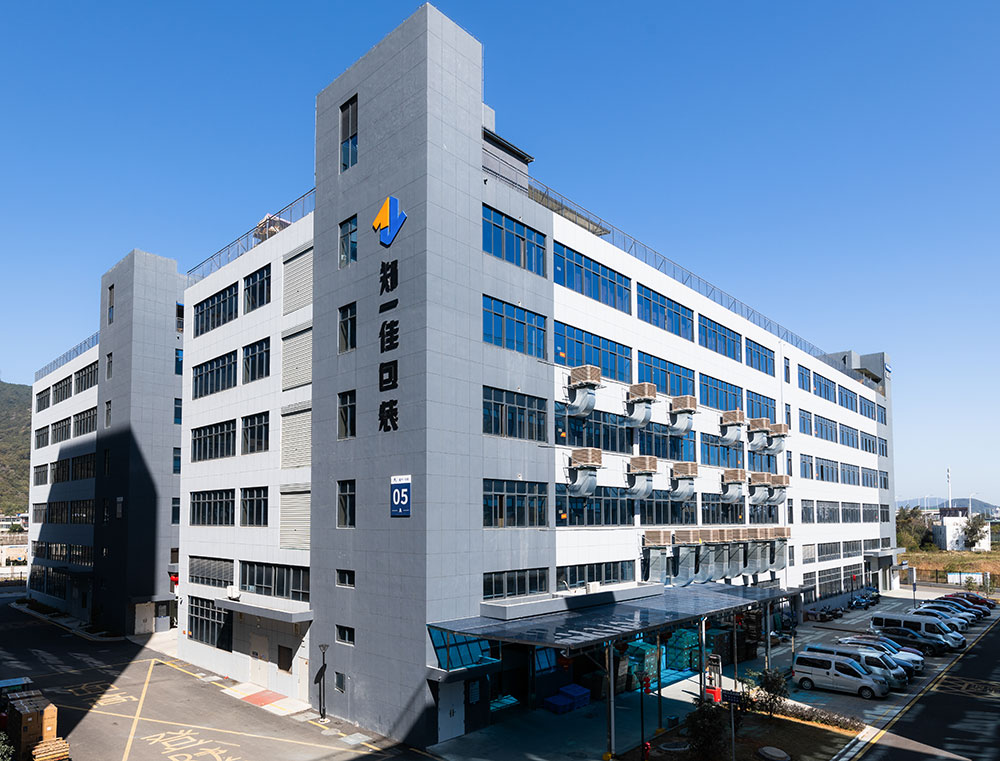
Located in Fuzhou City, Fujian Province, China, we own an 18,000m² modern production base equipped with high-standard clean workshops and over 50 automated production lines, supported by a professional team of more than 100 members.
Backed by our fully integrated production system covering the entire process from raw materials to finished products, we deliver comprehensive control over quality and efficiency across every stage of manufacturing.
Comprehensive thermoformed containers addressing fast dining, cold storage logistics, and green regulatory mandates.
 Disposable Takeout Boxes and Lunch Containers
Plastic Hinged Containers
Deli Containers
Biodegradable Food Containers
Food Tray Packaging
Sauce Containers
Sushi Containers

From central ghost-kitchen prep stations to airline catering and institutional institutional meal drops.
Cloud kitchen hubs rely on multi-brand consolidation under single production roots. By blast-freezing pre-cooked braised meats, curries, signature broths, and pasta bases into uniform, stackable takeaway boxes, operators achieve exact gram-level portion control. The high stacking strength of these containers prevents vertical deformation inside -20°C walk-in freezers where inventory is stacked 15 to 20 tiers high.
Hospitality providers, school districts, and healthcare institutions manage thousands of daily meals via cook-chill or cook-freeze logistics. Packaging must guarantee leak-proof security against thermal shocks when transferring from sub-zero blast chambers to 85°C steam tables or commercial combi-ovens. Airtight lid snaps protect nutritional value and prevent cross-contamination across large distribution hubs.
Global legislative bans on single-use unrecyclable plastics have compelled central kitchens to reconsider their supply chains. The modern industrial commissary demands solutions that satisfy zero-landfill goals without compromising structural barrier properties. Food-grade corn-starch polymers and monomaterial homopolymer PP represent the optimal balance. Corn-starch bioplastics reduce reliance on fossil feedstocks, breaking down efficiently under industrial composting parameters, while pure PP containers integrate directly into existing municipal circular recycling infrastructure (Resin Identification Code 5).
With over 100 in-house mold systems, we respond quickly to your custom needs and deliver end-to-end packaging solutions. Committed to exceptional value and uncompromising quality, we directly enhance your customers’ satisfaction and strengthen your market position.
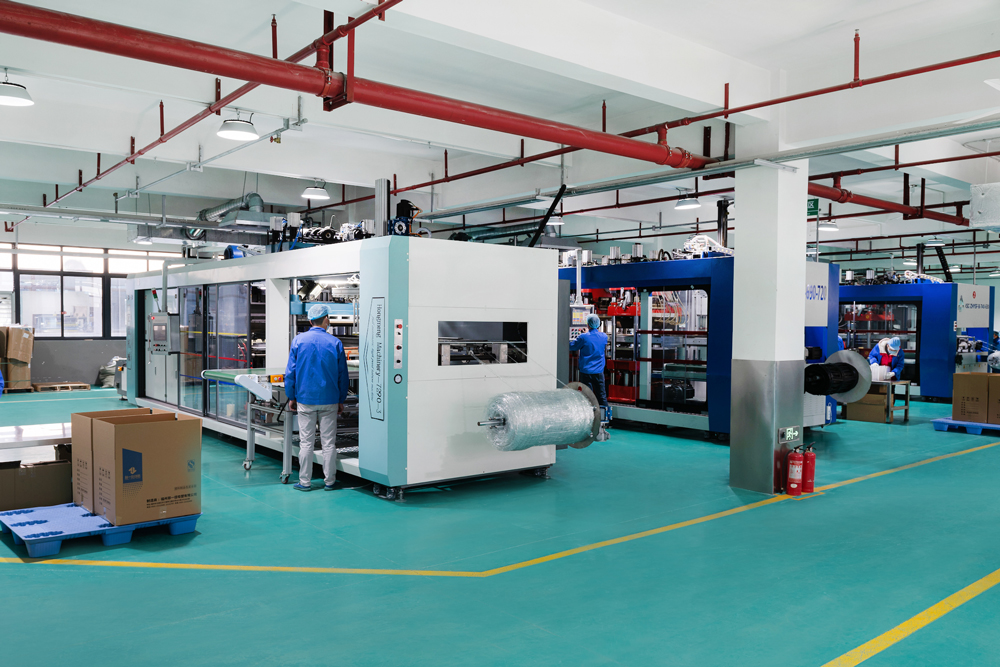
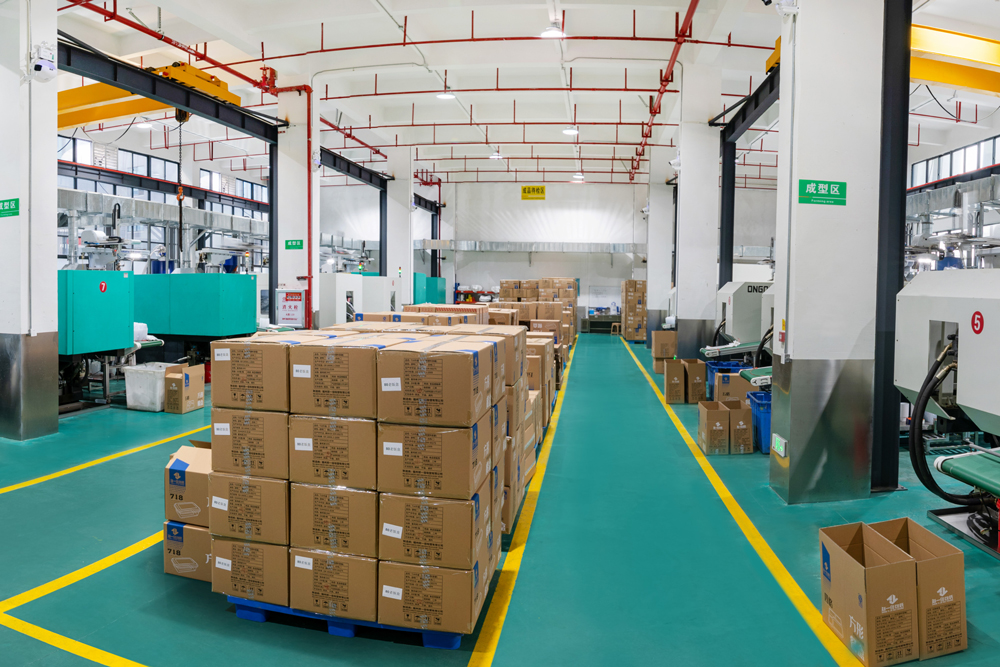
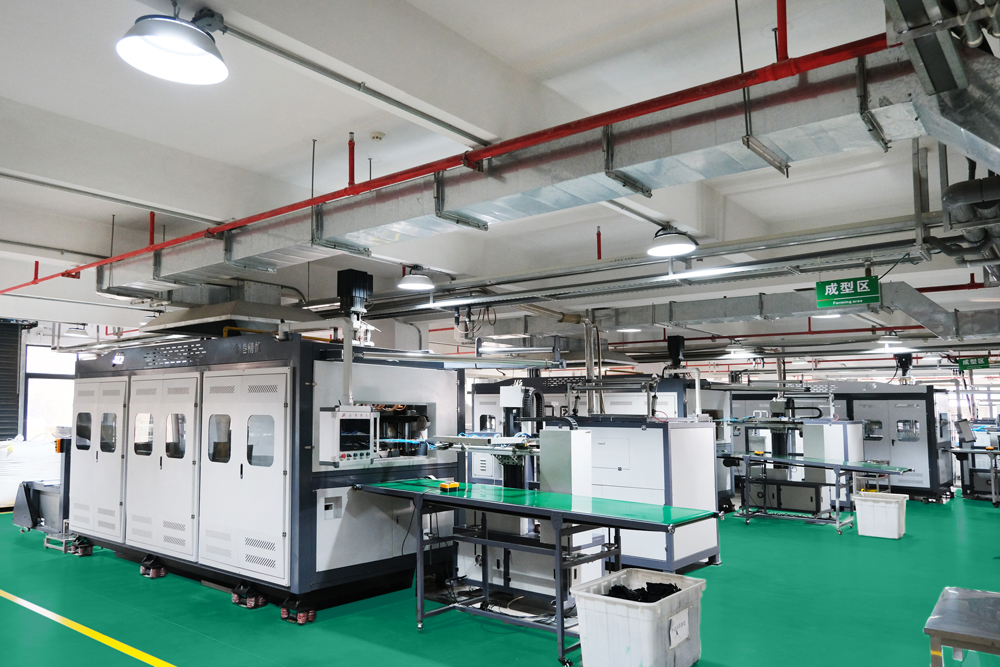
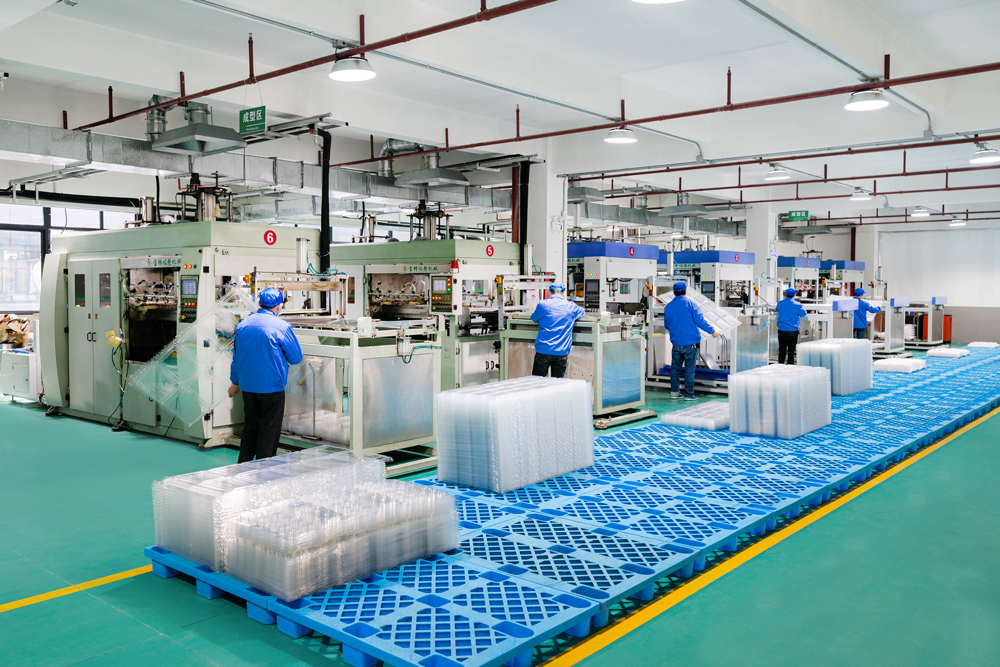
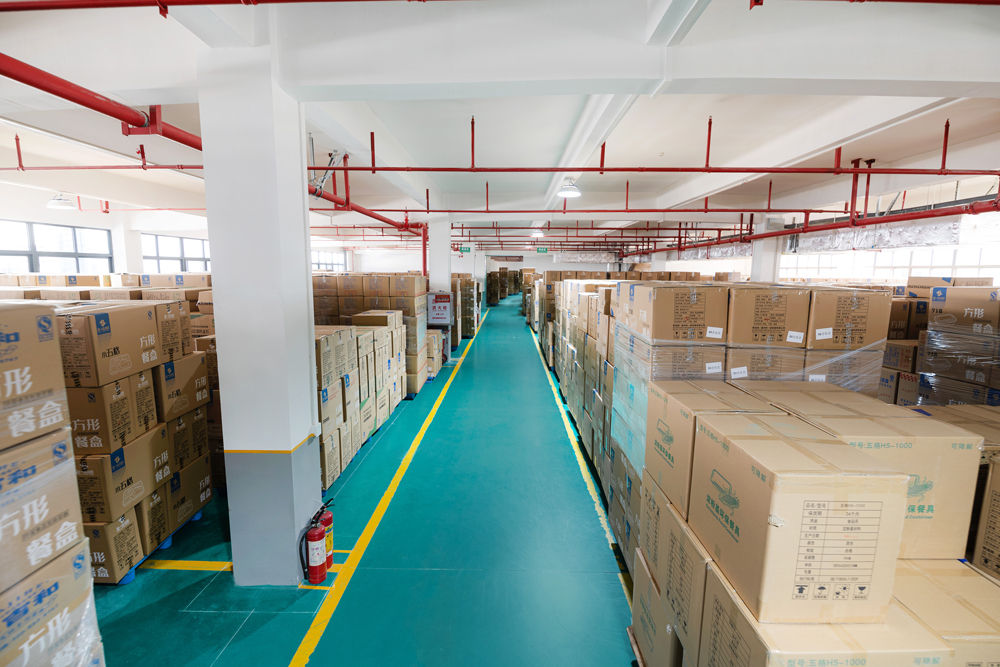
We are certified to ISO9001, ISO14001, HACCP, and QS for food-grade packaging. By combining our in-house CNC mold technology with strict quality control, we ensure safety, stability, and reliability of every product.
Our forward-looking approach, reliable quality, and competitive pricing have earned long-term trust from global customers. With years of experience, we deliver high-quality products; through continuous innovation, we drive sustainable development. We are committed to healthy lifestyles and a greener future with sustainable packaging solutions.
Standardized packaging solutions engineered for rigorous food service environments.