



Leave Your Message
Engineered for thermal performance, leak prevention, and brand presentation in rapid-delivery environments.
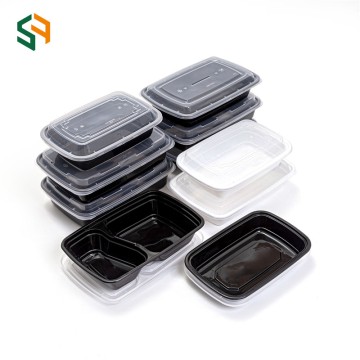
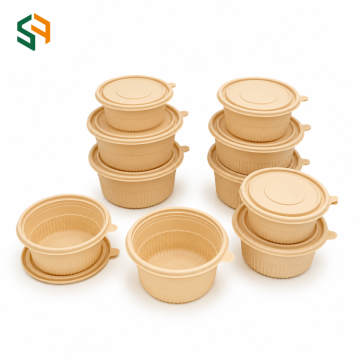
The global quick-service restaurant (QSR) sector is undergoing a massive transformation. Driven by the rapid expansion of online food delivery apps, changing consumer habits, and stringent global environmental regulations, takeaway containers for quick-service chain and fast food packaging are no longer just vessels for transport. Today, they are critical components of operational efficiency, customer satisfaction, and brand sustainability strategies.
In high-speed food service, packaging must perform flawlessly under diverse conditions. It must withstand high temperatures, prevent leakages during transit, preserve the texture and taste of the food, and offer convenient reheating options for consumers. Furthermore, as international markets enforce single-use plastic bans, manufacturers and QSR brands are turning to advanced hybrid materials, such as microwavable polypropylene (PP) and bio-based corn starch compounds, to achieve both performance and compliance.
Advanced heat retention keeps food fresh and hot from the commercial kitchen to the customer's doorstep.
Precision-engineered snap lids and structural seals prevent spills, even in multi-tier delivery bags.
Utilizing high-purity recyclable PP and biodegradable corn starch to minimize environmental impact.
The industrial demand for QSR packaging has shifted from low-cost, single-use solutions to circular design packaging. High-volume fast-food operations require container designs that stack efficiently to maximize storage space, nest easily to speed up kitchen assembly lines, and remain rigid when hot. As delivery radii expand, containers must also feature venting technologies that release steam without cooling the food, preventing fried items from becoming soggy.
From a commercial perspective, packaging represents a key touchpoint for brand identity. Customizable surfaces allow QSR chains to print QR codes, promotional campaigns, and sustainability credentials directly onto the containers. Additionally, automated packaging lines in modern manufacturing hubs utilize high-speed thermoforming and injection molding with in-house CNC mold systems to ensure ultra-low tolerance rates and consistent quality across millions of units.
For quick-service chains offering hot meals, stews, curries, or pasta, heat-resistant packaging is essential. Recyclable rectangular microwavable takeaway containers with clear lids allow consumers to reheat their food directly in the packaging without releasing harmful chemicals. The clear lids provide visual appeal and order accuracy at the packing station, while the rigid structure prevents warping under high microwave temperatures.
Salads, cold noodle dishes, and grain bowls align perfectly with eco-friendly corn starch round takeaway food bowls. These bio-based containers offer the structural strength of traditional plastics but boast a significantly reduced carbon footprint. They are oil-resistant, water-resistant, and ideal for health-conscious fast-casual chains aiming to showcase their commitment to green packaging initiatives.
In high-speed QSR environments, seconds count. Containers must feature easy-snap lids that seal instantly with a tactile click, confirming a secure closure. Stackability is another critical factor; packed containers must stack securely in delivery bags without collapsing the bottom layers, ensuring the food arrives in pristine, restaurant-quality condition.
Professional Food Packaging Solutions Provider specializing in the production of disposable and recyclable food containers.
With 20 years of industry expertise, we are a professional manufacturer focused on the R&D and production of food packaging containers. Located in Fuzhou City, Fujian Province, China, we own an 18,000m² modern production base equipped with high-standard clean workshops and over 50 automated production lines, supported by a professional team of more than 100 members.
Backed by our fully integrated production system covering the entire process from raw materials to finished products, we deliver comprehensive control over quality and efficiency across every stage of manufacturing.
We offer a wide range of product series designed to meet the rigorous demands of fast-food chains and delivery services.


With over 100 in-house mold systems, we respond quickly to your custom needs and deliver end-to-end packaging solutions.
Our facility is engineered for rapid prototyping and high-volume output. By keeping our mold design and production entirely in-house, we reduce development lead times for custom QSR packaging from months to weeks. Committed to exceptional value and uncompromising quality, we directly enhance your customers' satisfaction and strengthen your market position.
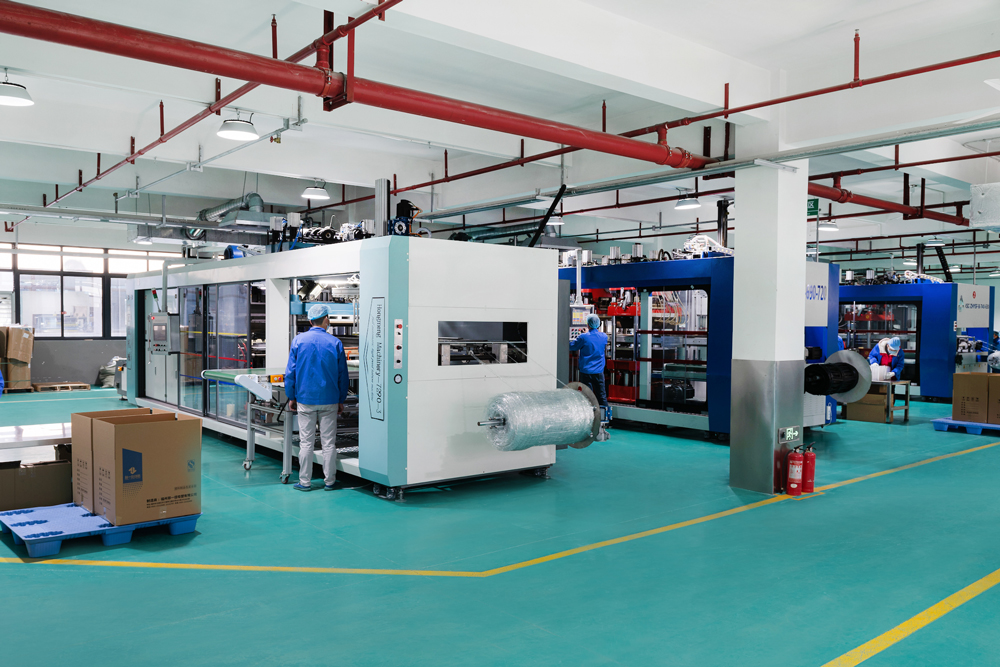
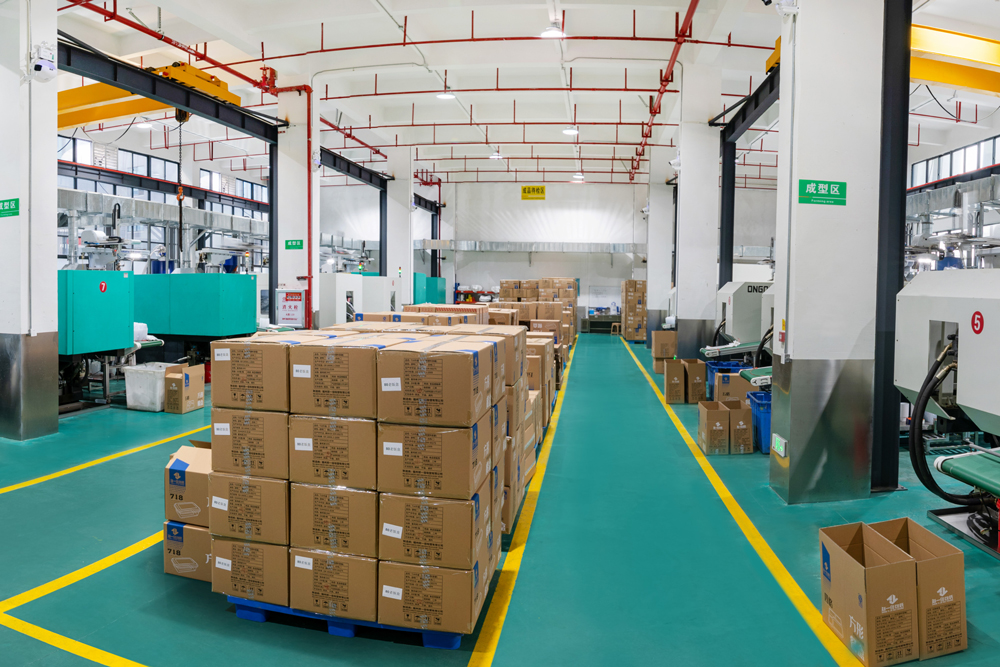
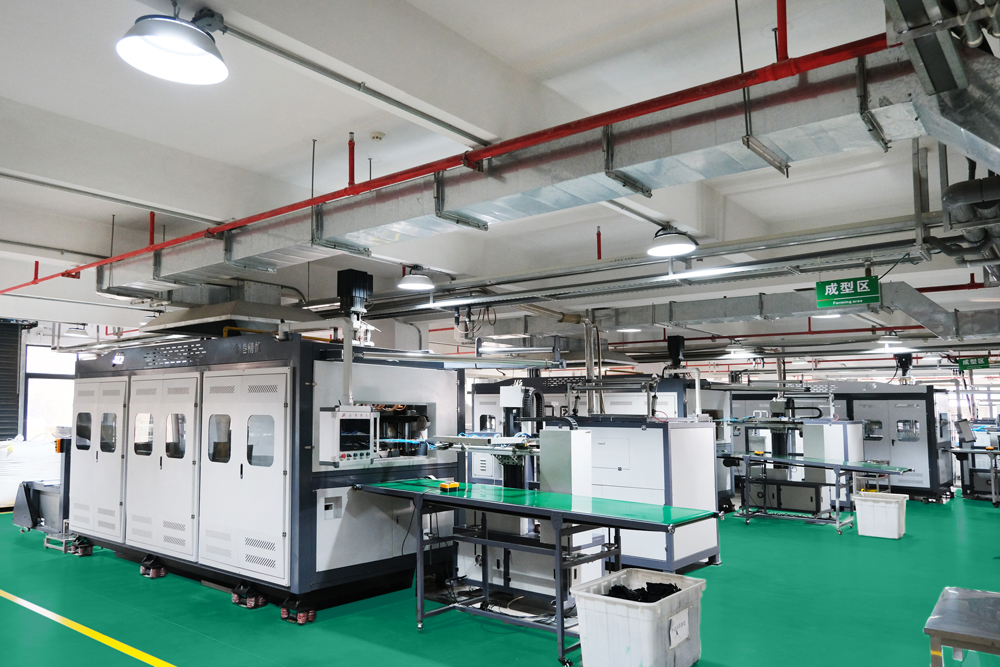
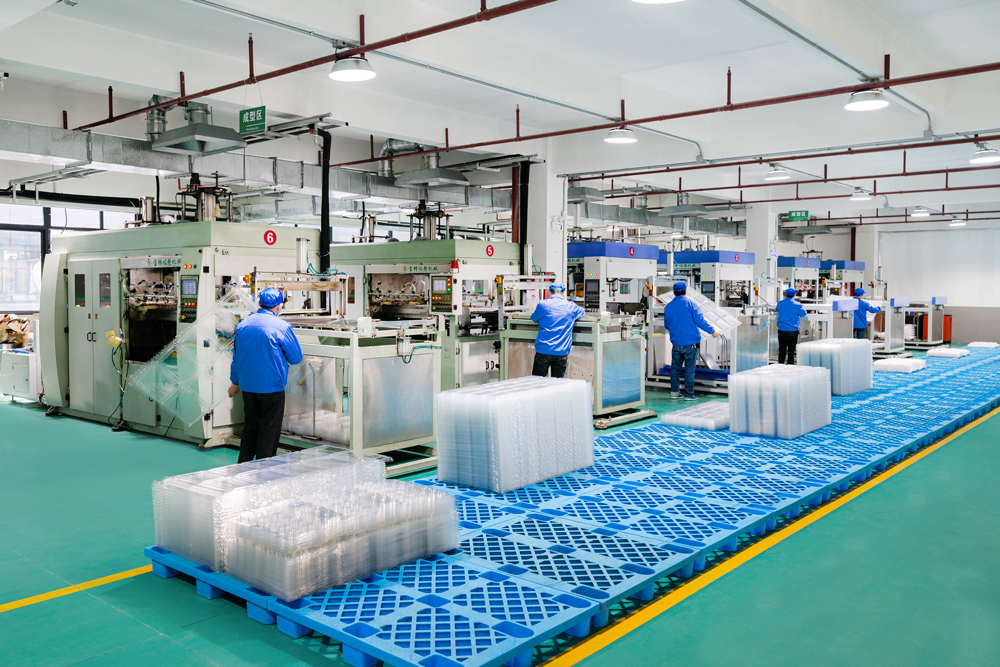
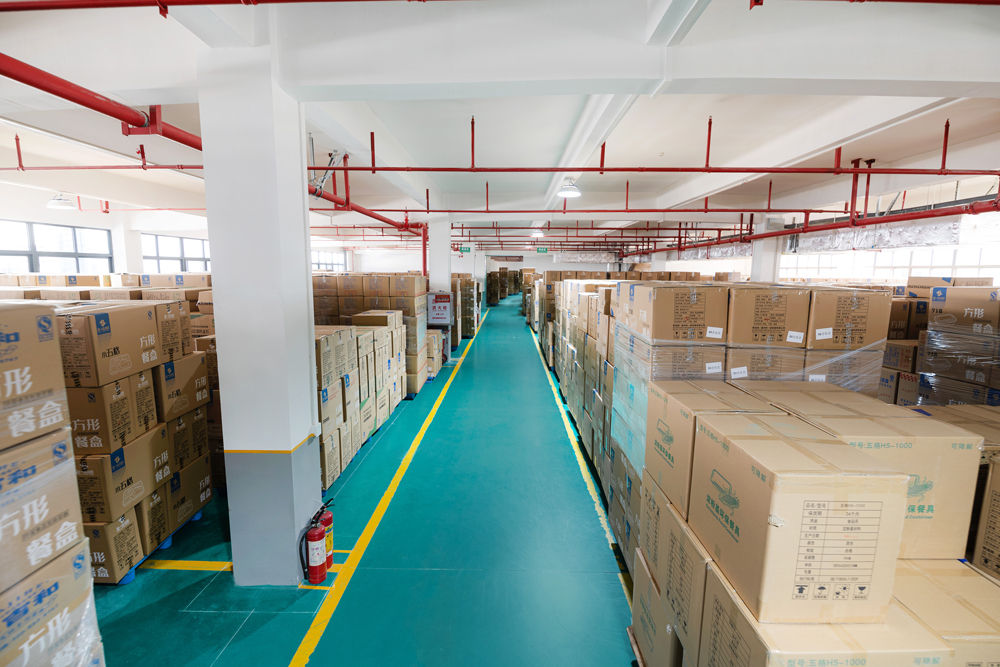

We are certified to ISO9001, ISO14001, HACCP, and QS for food-grade packaging. By combining our in-house CNC mold technology with strict quality control, we ensure safety, stability, and reliability of every product.
Our forward-looking approach, reliable quality, and competitive pricing have earned long-term trust from global customers. With years of experience, we deliver high-quality products; through continuous innovation, we drive sustainable development. We are committed to healthy lifestyles and a greener future with sustainable packaging solutions.
To meet the strict demands of global fast-food chains, packaging manufacturers must deploy advanced polymer science and structural engineering. The selection of materials directly impacts the food's quality upon arrival, the container's structural integrity under load, and its ultimate end-of-life cycle. Below is an in-depth look at the primary materials driving the quick-service packaging industry today:
Polypropylene remains the preferred material for hot, greasy, and saucy foods. With a high melting point (typically around 160°C to 170°C), PP is naturally microwave-safe and highly resistant to chemical leaching. Modern PP formulations are often blended with mineral fillers to improve stiffness and reduce plastic content, resulting in a lighter container that retains its shape even when filled with boiling liquids or heavy portions. Furthermore, PP is widely accepted in curbside recycling programs globally, making it a highly practical choice for circular economy initiatives.
For brands targeting carbon neutrality, bio-based materials like corn starch offer a compelling alternative. These containers are derived from renewable agricultural resources and designed to break down naturally under commercial composting conditions. By blending corn starch with food-grade binding agents, manufacturers achieve a material that performs similarly to traditional plastics for cold and warm applications. This makes them exceptionally suited for salad bowls, cold noodle dishes, and side-dish containers.
When visual presentation is paramount—such as for pre-packaged salads, sushi, desserts, and cold wraps—PET is the material of choice. Offering crystal-clear transparency, PET containers enhance shelf appeal and allow consumers to verify freshness instantly. While not suitable for microwave heating, PET features excellent barrier properties against gas and moisture, extending the shelf life of fresh grab-and-go items. It is also the most widely recycled plastic in the world, with post-consumer recycled PET (rPET) increasingly used to meet regulatory sustainability mandates.
The rise of third-party delivery apps has introduced new mechanical challenges for food containers. A container that performs well inside a restaurant may fail when placed in a delivery driver's backpack and transported via motorcycle. Key engineering considerations include:
Operating a global QSR chain requires strict adherence to regional food safety and environmental laws. From the European Union's Single-Use Plastics Directive (SUPD) to the US FDA regulations for food-contact substances, packaging must undergo rigorous testing. Reliable manufacturers ensure their products are free from heavy metals, fluorinated compounds (PFAS), and other harmful chemical additives. Regular audits and certifications, such as HACCP and ISO, guarantee that the manufacturing environment remains clean, sterile, and free from contaminants.
Explore our complete catalog of high-performance packaging designed for quick-service chains.