Leave Your Message
High-performance disposable containers designed to withstand freezing temperatures and rapid reheating cycles.
The global food service sector is experiencing a monumental paradigm shift. Centralized food production facilities, commonly referred to as central kitchens, have transitionally evolved from niche culinary operations into the absolute backbone of modern food logistics, chain restaurants, institutional dining, and meal delivery services. Alongside this shift, the demand for high-performance to go containers disposable for frozen food distribution has surged exponentially. These containers are no longer mere vessels for transport; they are highly engineered components designed to preserve food safety, maintain structural integrity under sub-zero temperatures, and optimize supply chain efficiency.
Central kitchens operate on the principles of scale, consistency, and rigorous hygiene control. Raw ingredients are processed, cooked, portioned, and immediately preserved—often utilizing advanced blast-freezing technologies. This process requires packaging materials that can survive extreme thermal transitions, from the intense heat of cooking or hot-filling to the rapid temperature drops of blast freezing (-40°C), and finally to the thermal stress of microwave reheating by the end consumer. Consequently, selecting the appropriate disposable containers is a critical operational decision that directly impacts brand reputation, cost control, and food safety compliance.
Professional Food Packaging Solutions Provider specializing in the production of disposable and recyclable food containers.
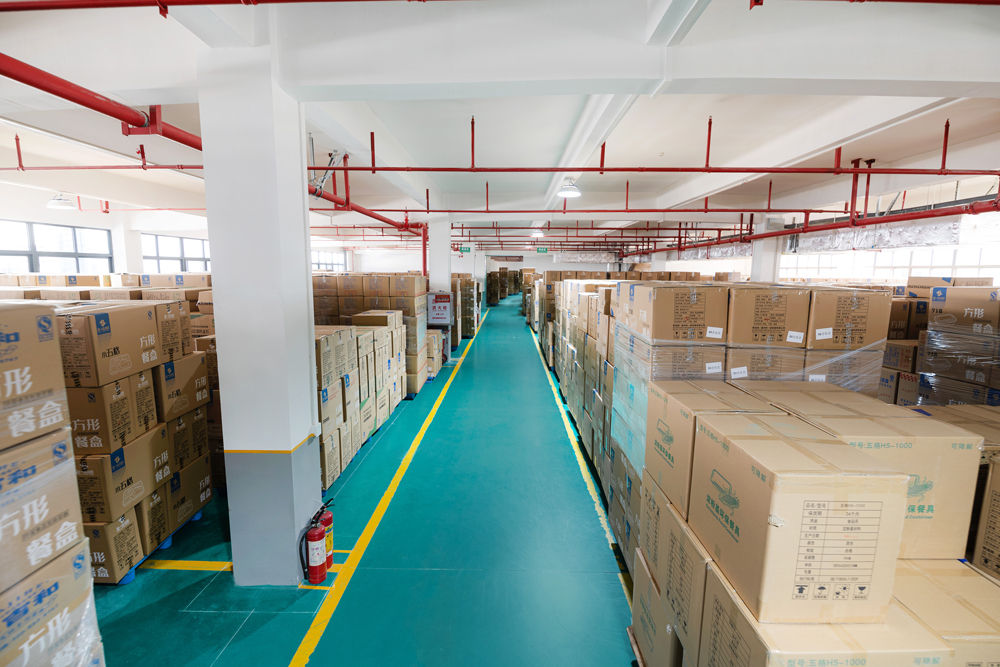
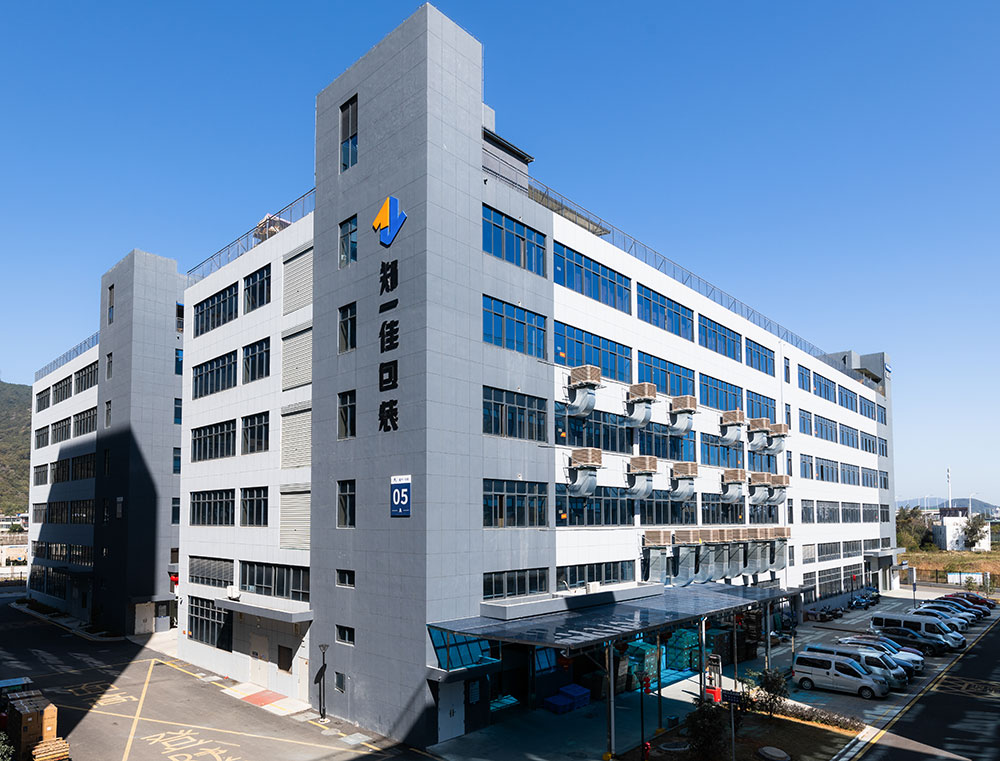
With 20 years of industry expertise, we are a professional manufacturer focused on the R&D and production of food packaging containers. Located in Fuzhou City, Fujian Province, China, we own an 18,000m² modern production base equipped with high-standard clean workshops and over 50 automated production lines, supported by a professional team of more than 100 members.
Backed by our fully integrated production system covering the entire process from raw materials to finished products, we deliver comprehensive control over quality and efficiency across every stage of manufacturing.
When distributing frozen foods, standard plastic containers often fail. Low temperatures induce polymer crystallization, making materials like standard polystyrene (PS) or low-grade polyethylene (PE) brittle and prone to cracking under physical shock during transit. This is where Polypropylene (PP) emerges as the industry standard. PP is specifically formulated with copolymer additives to enhance impact resistance at low temperatures, ensuring that the container remains flexible yet durable even at -20°C or below.
Moreover, the integration of automation in central kitchens requires containers with precise dimensional stability. Automated denesting (separating stacked cups or bowls), automated filling, and robotic sealing systems demand extremely tight tolerances. Containers must be perfectly uniform to prevent machine jams, reduce downtime, and ensure a seamless high-speed production line.
We offer a wide range of product series designed to meet the diverse needs of modern food service operations, catering businesses, and industrial food distributors. Each series is crafted with precision to deliver maximum reliability and performance.


To fully appreciate the role of high-grade disposable containers, we must examine their integration into specific operational workflows within commercial food production and logistics networks.
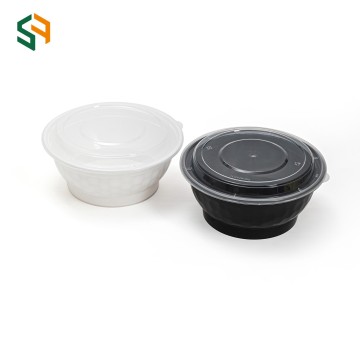
In large-scale central kitchens, meals are prepared in massive volumes. Once cooked, the food must be rapidly chilled or frozen to arrest bacterial growth and maintain nutritional value. The food is portioned into disposable bowls or trays at high temperatures (often above 80°C) and immediately transferred to blast freezers where temperatures drop to -40°C within minutes. This extreme thermal shock can cause inferior plastics to warp, shrink, or crack. High-quality PP leak-proof bowls are custom-engineered to absorb this thermal stress, preserving the seal integrity and preventing cross-contamination.
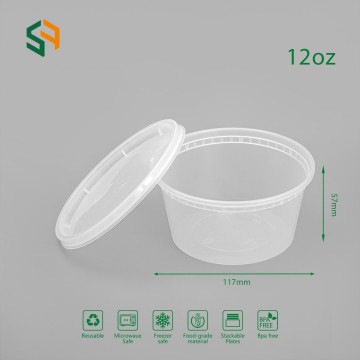
Many franchise restaurants no longer cook base ingredients on-site. Instead, central kitchens prepare sauces, marinades, pre-cooked proteins, and chopped vegetables, distributing them frozen or chilled to individual retail locations. Disposable deli containers and round PP cups with secure lids are vital for this process. They allow precise portion control, stack efficiently in transport crates to maximize truck space, and can be opened and used directly on the prep line, minimizing clean-up time and container cross-contamination at the retail level.
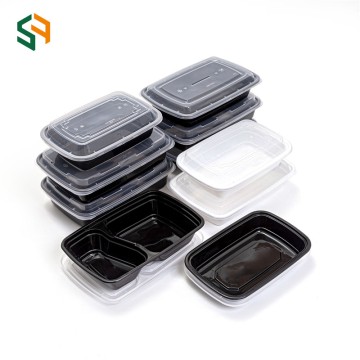
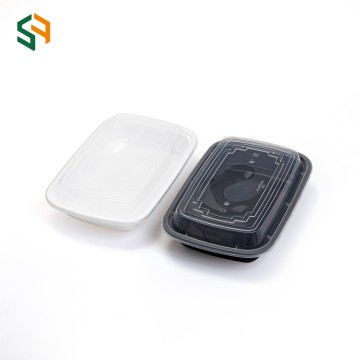
The e-commerce meal delivery market relies heavily on subscription-based frozen meal kits. These products are shipped via dry ice or gel packs directly to consumers. The packaging must withstand transit vibrations, rough handling by couriers, and the thermal demands of dry ice (-78.5°C). Recyclable rectangular microwavable takeaway containers with clear lids provide the ideal presentation: consumers can clearly see the product, trust the hygienic seal, and conveniently place the container directly into the microwave for preparation.
Equipped with over 100 in-house mold systems to deliver customized, high-precision packaging solutions rapidly.
With over 100 in-house mold systems, we respond quickly to your custom needs and deliver end-to-end packaging solutions. Committed to exceptional value and uncompromising quality, we directly enhance your customers’ satisfaction and strengthen your market position.
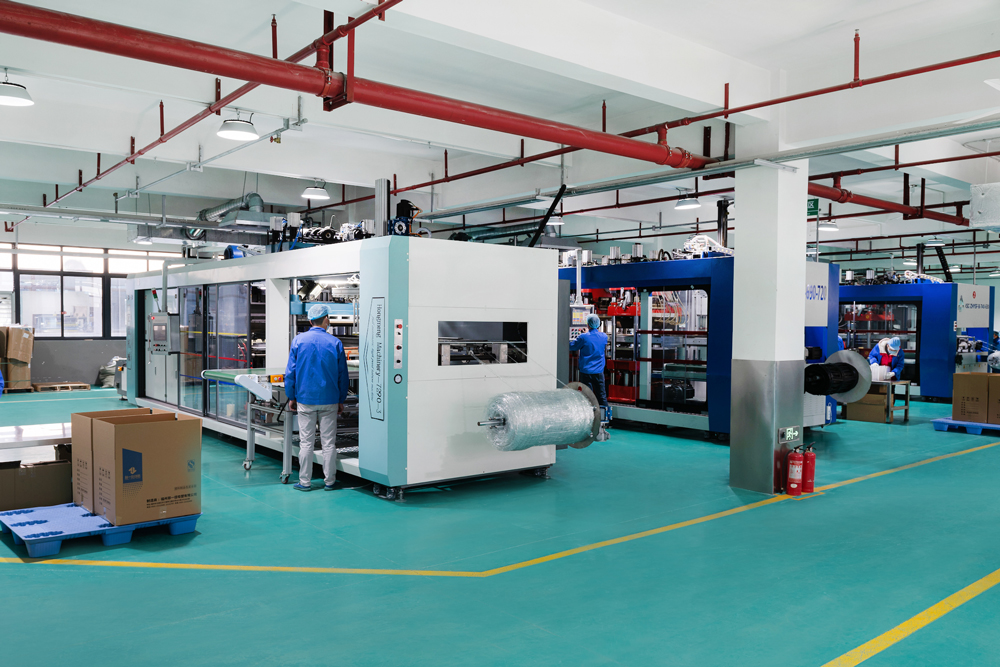
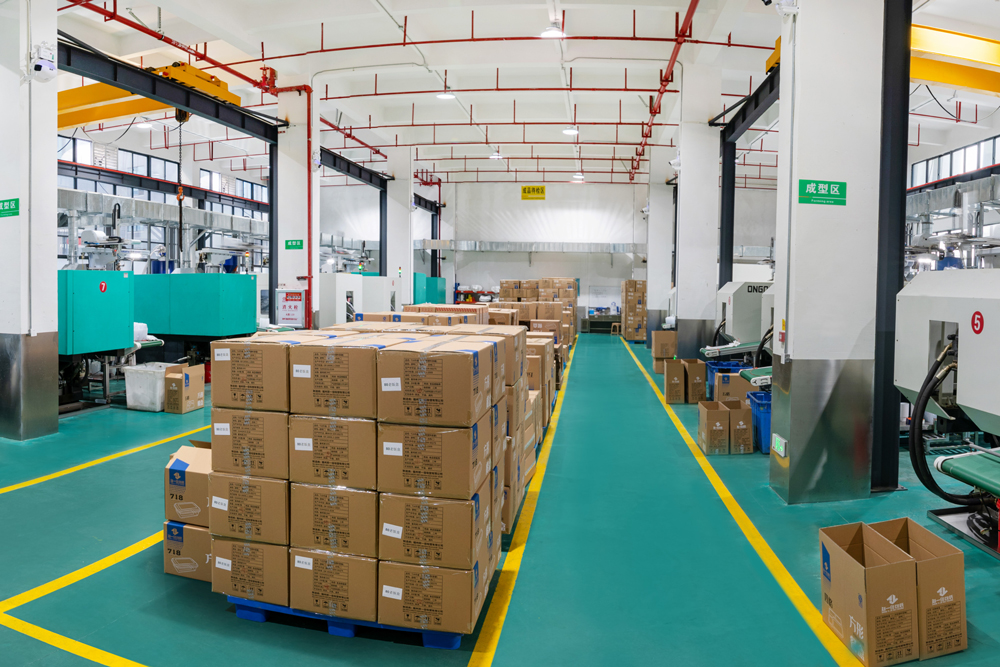
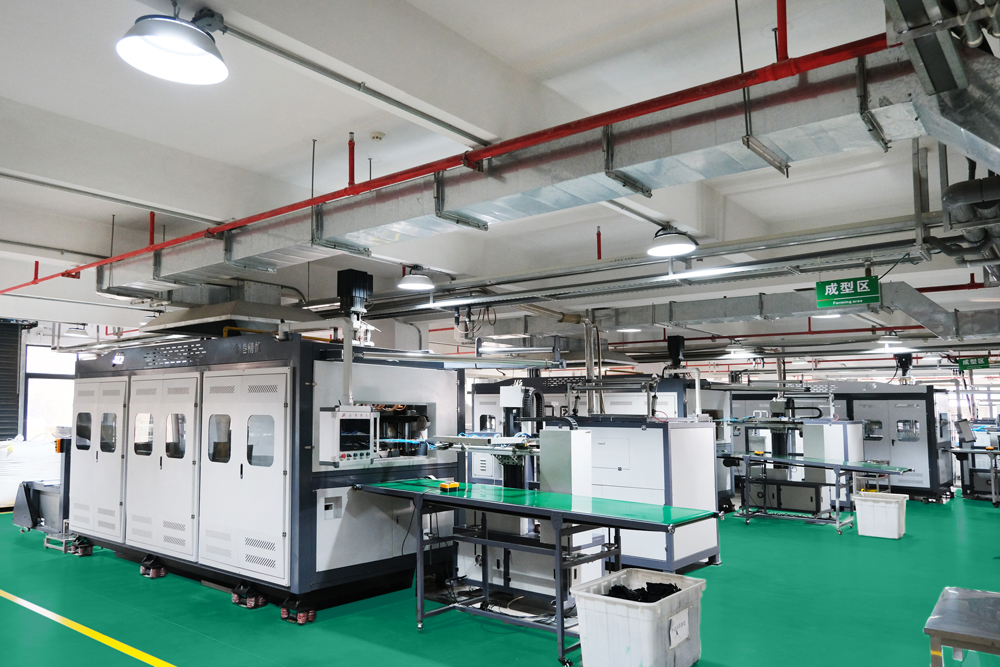
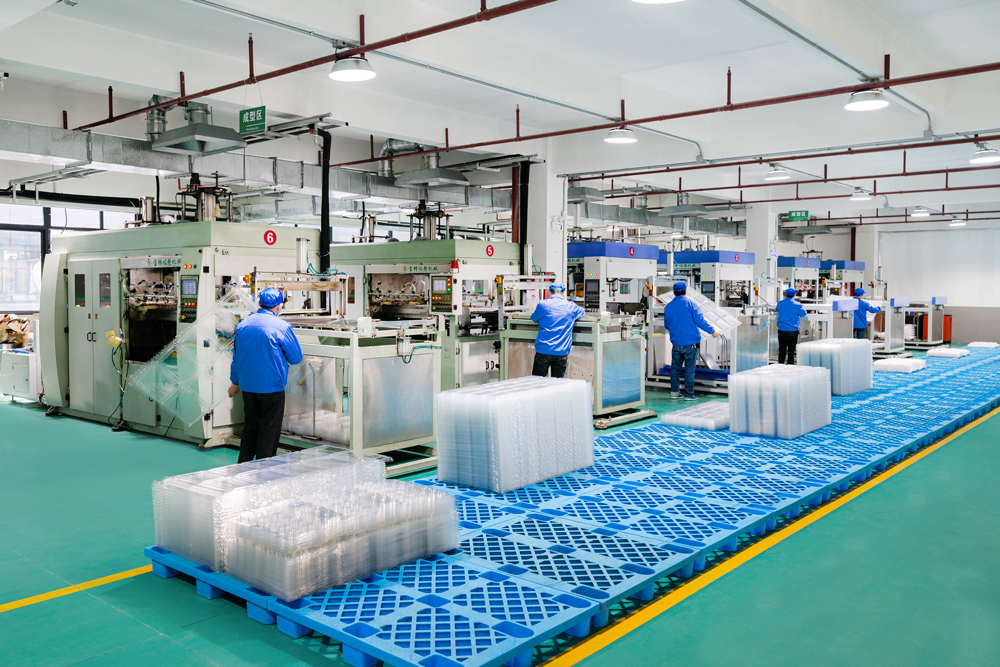
We are certified to ISO9001, ISO14001, HACCP, and QS for food-grade packaging. By combining our in-house CNC mold technology with strict quality control, we ensure safety, stability, and reliability of every single product.
Our forward-looking approach, reliable quality, and competitive pricing have earned long-term trust from global customers. With years of experience, we deliver high-quality products; through continuous innovation, we drive sustainable development. We are committed to healthy lifestyles and a greener future with sustainable packaging solutions.
As environmental regulations tighten globally, the disposable packaging sector is undergoing a sustainable revolution. The future of to go containers disposable for frozen food distribution lies in balancing performance with environmental stewardship. Central kitchens and distributors are actively seeking solutions that reduce carbon footprints without compromising the critical structural integrity required for freezing and reheating.
Traditional multi-layer plastics are difficult to recycle. Modern R&D is heavily focused on mono-material PP structures that can be easily collected, sorted, and recycled within municipal waste streams. By eliminating complex multi-material laminates, manufacturers are enabling a circular loop where food-grade containers can be reprocessed into new consumer goods, aligning with global zero-waste initiatives.
With the rise of IoT (Internet of Things) and smart logistics, packaging is becoming interactive. Integration of thermochromic inks that change color if the temperature breaches safe thresholds, or QR codes that provide consumers with complete traceability from the farm to the central kitchen, are becoming mainstream. This technology ensures that frozen foods remain within the safe zone throughout the distribution cycle, reducing food waste and liability.
As labor shortages continue to challenge the food service industry, central kitchens are turning to robotics. Packaging must be designed with robotic grippers, automated vacuum denesting systems, and high-speed heat-sealing lines in mind. Flange designs, stack heights, and structural rigidity are optimized using advanced computer-aided design (CAD) and CNC mold manufacturing to guarantee seamless integration with robotic automation.
Explore our complete catalog of high-durability, food-grade disposable containers optimized for central kitchen distribution.