Leave Your Message
The global food service sector is experiencing an unprecedented paradigm shift, heavily driven by the exponential growth of quick-service restaurant (QSR) chains, ghost kitchens, and third-party delivery applications. Within this rapidly evolving ecosystem, to go containers disposable for quick-service chain and fast food packaging have transitioned from basic operational necessities to critical touchpoints for brand identity, consumer satisfaction, and environmental compliance. Today's commercial food packaging industry is no longer just about containment; it is about preservation, thermal efficiency, and sustainable lifecycle management.
Industrial manufacturing of disposable food containers now demands high-precision engineering. As fast-food operations scale globally, packaging must withstand rigorous transport conditions while maintaining food presentation and temperature. From hot, moisture-heavy broths to multi-component meals that require microwavable convenience, the physical properties of the materials used are constantly being tested. The market is shifting towards highly customized, food-grade polypropylene (PP) and bio-based alternatives that promise high heat tolerance, structural integrity, and recyclability.
Modern QSRs require packaging that complies with stringent global food safety standards (such as FDA, EU, and HACCP certifications). The demand for BPA-free, non-toxic, and heat-resistant polymers has pushed manufacturers to adopt advanced co-extrusion and thermoforming processes to guarantee chemical stability under microwave heating and long-duration delivery routes.
To meet the massive volume demands of global fast-food giants, packaging manufacturers are heavily investing in automation and smart manufacturing technologies. The integration of multi-station positive-negative pressure automatic thermoforming machines, paired with high-speed robotic arms, has revolutionized production efficiency. This automation not only increases throughput but also minimizes human contact, ensuring that products are manufactured under strict hygienic conditions (often matching ISO Class 8 cleanroom standards).
Furthermore, material science is at the forefront of this industrial evolution. Manufacturers are developing modified PP formulations that offer improved impact resistance at low temperatures (for cold storage) and higher heat deflection temperatures (for hot food delivery). Additionally, the development of dual-color corrugated structures and bio-based biodegradable sheets represents a major step forward in reducing carbon footprints without sacrificing the durability and leak-proof characteristics that fast-food operators rely on daily.
Advanced mold design ensures airtight lid fitment, eliminating spills and leaks during rigorous transit.
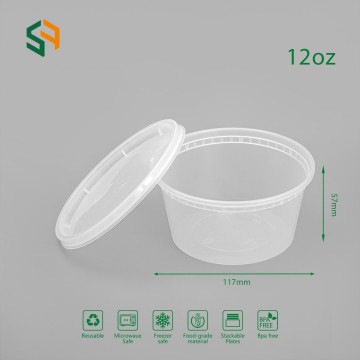
Microwavable and freezer-safe containers designed to withstand temperatures ranging from -20°C to 120°C.
Utilizing recyclable PP and bio-based compostable materials to support corporate ESG and carbon neutrality goals.
"To be your trusted partner in sustainable food packaging – delivering high-value products, reliable quality, and excellent service."
With years of experience in disposable tableware, we use 100% compostable, bio-based, and biodegradable materials to reduce fossil fuel dependency. Precision manufacturing ensures every container is durable, safe, and able to return to nature responsibly.
We are committed to a greener future – helping you serve meals in a way that protects both health and the planet.
Understanding the specific environments where disposable containers are deployed helps in designing optimized products. Different food items require distinct structural designs to preserve texture, taste, and presentation during delivery.
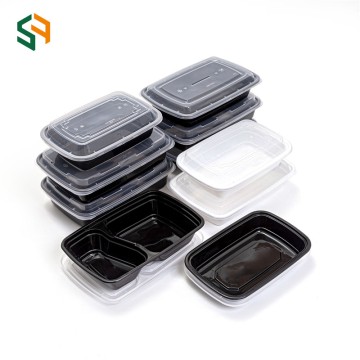
For fast-food chains operating high-velocity drive-thrus, speed and ease of packing are paramount. Hinged-lid containers and stackable lunch boxes allow kitchen staff to pack meals in seconds. The steam ventilation design prevents condensation buildup, ensuring fried items remain crispy while maintaining heat during the customer's drive home.
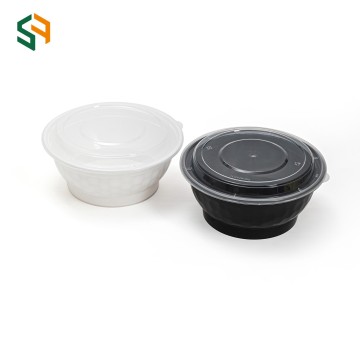
Delivering hot liquids presents a major challenge for delivery personnel. Traditional lids often fail under pressure or when subjected to vibrations. Custom-engineered leak-proof round PP bowls utilize a dual-sealing rim design that forms a hermetic seal, preventing catastrophic spills even when the container is tilted or shaken during transport.
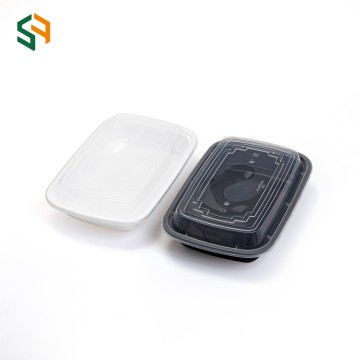
The rise of subscription-based meal prep requires containers that can transition seamlessly from freezer storage to microwave heating. Recyclable rectangular containers with high-clarity anti-fog lids allow consumers to inspect food quality visually while offering a safe, microwave-ready vessel that does not warp or release harmful chemicals when heated.
From iced coffees to specialty boba teas, beverage packaging must prevent leaks while accommodating straws or sipping lids. Heavy-duty PP cups with matching dome or flat lids ensure secure transport, allowing QSRs to expand their drink delivery menus without worrying about transit damage.
Since 2005, we have committed ourselves to advancing packaging technologies, continuously expanding our production capabilities to meet the dynamic needs of global food service providers.
As we look toward the future of food service packaging, several defining trends are reshaping how manufacturers design and distribute disposable containers:
1. The Circular Economy & True Recyclability: Governments worldwide are enforcing strict policies on single-use plastics. The packaging industry is responding by developing mono-material packaging solutions that are easily sorted and recycled in municipal waste streams. By eliminating complex multi-layer plastics, brands can ensure their packaging actually gets recycled rather than landing in landfills.
2. Bio-Based Materials and PHA: Polyhydroxyalkanoates (PHA) and other bio-synthesized polymers are gaining traction. These materials behave similarly to traditional plastics during production and use but decompose naturally in marine and soil environments within months, offering a highly viable alternative to petroleum-based plastics.
3. Smart Packaging Integration: The incorporation of QR codes, temperature indicators, and freshness sensors onto containers is becoming increasingly common. This technology allows QSR chains to track delivery quality in real-time, providing customers with transparent data regarding their food's journey and safety.