
Leave Your Message

Blog

10 Best Takeaway Food Boxes for Restaurants?

10 Best Takeaway Food Boxes for Restaurants?

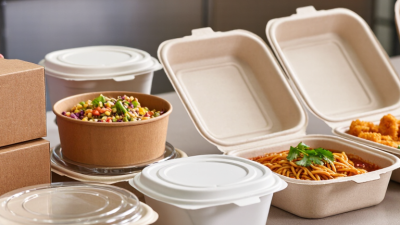
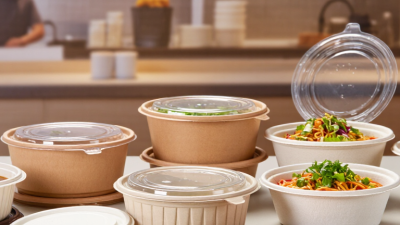
You know, picking the right takeaway food boxes is kind of a bigger deal than it sounds. It can keep a meal in one piece, speed things up during service, and honestly, it shapes how people remember your restaurant. Like, a box that’s perfect for a saucy noodle dish? It might totally fail with crispy fries. And a container that’s super sturdy? Great, but it might eat up half your storage space. It’s the little things that end up mattering a lot — lid fit, ventilation, grease resistance, stackability, portion size. All of that stuff comes into play every single day, whether you realize it or not. In this guide, we’ve brought in a fictional packaging expert named Daniel Reed to make a point: “A good food box should protect the dish without making things harder for the staff.” Okay, full disclosure—he’s not a real industry professional, and that quote is just an example we came up with. But it’s a useful way to think about what restaurants actually need. When comparing packaging, the practical stuff matters: the material, how it closes, whether it’s suitable for the food, and how easy it is to handle. We also take supplier claims with a grain of salt, you know? Performance can shift depending on temperature, moisture, or even how long it's been packed. Honestly, running a quick test with the actual menu tells you way more than some glossy product photo ever will. Honestly, there’s no such thing as one perfect box. The 10 options we’ve rounded up cover a lot of ground—from little compact ones that fit sandwiches snugly to more leak-resistant picks for saucy dishes. If you’re searching online, Food Boxes Takeaway is a decent phrase to start with, but what actually works best depends on what you’re packing, how far it’s traveling, and what your kitchen routine looks like. It’s really about matching the box to the situation. Okay, so here’s the thing with takeout containers: some of them keep food warm but turn crispy stuff soggy, which is a total bummer. Then you’ve got ones that look super tidy on the shelf, but they drive your crew crazy when things get hectic. This guide is basically for restaurant owners who want to weigh these pros and cons before going all in on a big order.
Read more »
Liam By:Liam - November 11, 2026
How to Choose the Right Take Out Boxes in 2026?

How to Choose the Right Take Out Boxes in 2026?

So, when you’re picking Take Out Boxes in 2026, you’re basically juggling a few things at once—keeping the food safe, making it easy for customers, watching your costs, and trying not to create a ton of waste. The National Restaurant Association’s 2024 report on the restaurant industry found that 47% of American adults grab takeout at least once a week. That’s a whole lot of meals in boxes. So packaging isn’t just some tiny detail you deal with at the end of the ordering process—it’s actually a big part of the customer experience. Start with the actual meal, not just the packaging. A simple paper bowl might work fine for a grain salad, but saucy noodles? You need something with a secure lid and serious leak resistance. And hot fried food? That can get soggy fast if the steam has nowhere to go. So test with real portions, real travel times, and real stacking situations. A quick test on the counter just isn't enough. Small details can make a big difference, honestly. When you're checking if something is food-contact safe, look at the FDA requirements and then cross-check the material claims with what the supplier actually provides. The Sustainable Packaging Coalition’s guidance and the EPA’s waste-prevention resources are pretty handy for thinking through recyclability and disposal. But here’s the thing: local recycling programs are all different. Just because a package says recyclable doesn’t mean your nearby facility will take it. Don't just look at the price tag—think about the whole picture. You've got to factor in lids, how much space they'll eat up in storage, how fast your team can pack them, and the occasional damaged order that comes with the territory. Ask suppliers for written specs, actual samples, and performance data. And please, don't pick based on looks alone. That glossy, premium-feeling box might look great on camera and still leak all over the delivery bag. Here's the thing: there's no such thing as the perfect box. The practical option often involves trade-offs, and that's worth a closer look. In 2026, the best choice is the one that keeps food intact, works with your day-to-day operation, and leaves customers satisfied even after the meal is over.
Read more »
Oliver By:Oliver - November 6, 2026
How to Choose Take Out Trays for Your Business?

How to Choose Take Out Trays for Your Business?

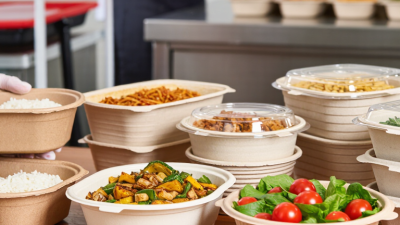
Honestly, the Take Out Trays you pick can make or break your whole food business. I mean, think about it – that tray's doing a lot of heavy lifting: keeping the meal intact, surviving the delivery run, and quietly telling customers something about your brand. Grab the wrong one and you might end up with sauce leaking everywhere, trays going soggy from steam, or collapsing mid-stack. And trust me, customers notice that kind of thing right away. David Luttenberger — he’s the Global Packaging Director over at Mintel — calls packaging ‘a silent salesperson.’ That idea really fits food service. Think about it: customers are judging the portion and presentation before they’ve even taken a single bite. A clean kraft tray can quietly suggest freshness. A clear lid? It lets the color and texture speak for itself. But looks can only take you so far. The material still needs to work for the food, the temperature, the delivery time, and how it all gets disposed of in the end. So here's the thing: don't test these trays in some ideal lab setup. Get out into the actual kitchen. Fill sample trays with hot rice, grilled veggies, or noodles that are dripping in sauce. Seal 'em, stack 'em, and send them on a real delivery run. Then look for the ugly stuff—leaks, warped corners, fogged lids, lids that refuse to open. Ask the team if these things slow them down during the rush. Ask customers if their food actually shows up in one piece. What they tell you might completely change your mind about which tray you liked at first. And honestly? That's a good thing. Okay, so when you're weighing fiber, paperboard, plastic, or compostable options, it's worth really thinking it through. Every material has its pros and cons, you know? Compostable trays sound great, but they often need specific local processing facilities—so definitely check that. And recyclable trays aren't a free pass either; they still have to end up in the right collection stream. Before you buy, make sure you've confirmed the supplier's specs and any food-contact documentation. Don't just take their word for it if the marketing sounds nice. Honestly, there's no such thing as the perfect tray. What you actually need is something practical — a good balance of protection, cost, branding, storage, and not wrecking the planet while you're at it. So how do you choose? This guide walks you through comparing Take Out Trays using real evidence, not just gut feelings or guesswork. And here's the thing: running a few small tests now can save you from a whole lot of customer complaints later.
Read more »
Sophia By:Sophia - November 1, 2026
What Are the Best To Go Containers for Wholesale in 2026?

What Are the Best To Go Containers for Wholesale in 2026?

If you're a wholesale buyer heading into 2026, you've got a pretty practical problem on your hands: picking packaging that actually keeps food safe, doesn't blow the budget, and can keep up at service speed. The National Restaurant Association’s 2025 report? It projected U.S. restaurant sales to hit $1.5 trillion that year. At that scale, reliable takeout packaging isn't just some tiny supply detail—it's a real purchasing priority. Honestly, there’s no single “best” to-go container—it really depends on what you’re serving and how far it has to travel. If you’re sending out soup, you need a lid that locks on tight and won’t leak. But crispy fried food? That needs breathing room, otherwise the steam turns everything soggy. So before you commit to a big order, do some homework: compare capacity, heat tolerance, stackability, how well the lids fit, case quantities, and what you’ll actually pay after shipping. And please, get samples. Don’t just eyeball them either—test with real portions, real sauces, and simulate your longest delivery time. Because a polished catalog photo won’t show you that the hinge snaps the first time someone carries it. Material claims deserve a careful look too, honestly. The EPA’s 2018 Advancing Sustainable Materials Management report, for instance, counted about 82.2 million tons of containers and packaging in municipal solid waste—that’s 28.1% of the total. Okay, that number isn’t a direct measure of foodservice packaging specifically, but it still shows why material choice and disposal guidance matter. Paper, molded fiber, and plastic all have their trade-offs, and at the end of the day, local waste systems really influence the outcome. So, you’ll see “Containers Plastic Containers” pop up in a lot of product listings, but honestly, don’t just take that at face value — you really want to double-check the actual material and specs. There’s no single winner that works for everyone. This guide walks you through wholesale options, questions to ask suppliers, and the trade-offs, and we’ll also flag where the evidence is still a bit fuzzy and you’ll have to use your own judgment.
Read more »
Oliver By:Oliver - October 29, 2026
10 Best Plastic Container Suppliers for Global Buyers?

10 Best Plastic Container Suppliers for Global Buyers?

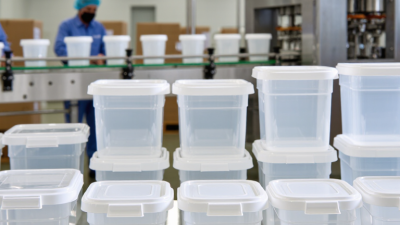
When you're sourcing a Plastic Container supplier, a nice catalog is just the starting point. What buyers really need is steady quality, sourcing they can see through, and delivery they can actually rely on. I mean, a container can look pretty simple, right? But the resin grade, wall thickness, closure fit, and production controls? Those details affect every single shipment. So, here's the thing: Grand View Research pegged the global plastic packaging market at USD 427.98 billion back in 2023, and it expects growth to keep rolling through 2030. Meanwhile, the OECD says global plastic waste hit 353 million tonnes in 2019. Put those two numbers together, and you get a pretty clear picture: there's real commercial opportunity here, but also real environmental responsibility. And the suppliers you choose these days can affect everything from cost and product protection to recyclability and customer trust. Details matter. Even a tiny uneven rim on a food container? Yeah, that can leak somewhere out on the ocean. And a weak cap? It can mess up a whole pallet. So experienced buyers tend to look at things like mold capability, testing records, MOQ, and how quickly the supplier actually responds. Stuff like ISO 9001 systems, food-contact docs, and material traceability is definitely worth checking too. That said, certifications alone don't always mean the supplier will perform well. Steve Russell from the American Chemistry Council put it like this: “Plastics packaging helps protect products, reduce food waste, and lower transportation emissions.” And yeah, he’s got a point. But it’s only part of the picture. Whether packaging actually delivers those benefits really comes down to smart design, logistics that work efficiently, and a realistic plan for what happens to it after we’re done using it. So, this guide takes a look at ten of the top plastic container suppliers out there for buyers working globally. We compare them on things like product range, customization options, how big their manufacturing operation is, quality assurance, sustainability efforts, and export experience. Just keep in mind—some of the rankings are still going to be subjective. Market data shifts, and a supplier's performance can differ depending on the region. And before you sign anything, it's worth double-checking current certificates, samples, pricing, and delivery commitments.
Read more »
Liam By:Liam - October 25, 2026
10 Best PP Containers for Global Buyers in 2026?

10 Best PP Containers for Global Buyers in 2026?

Choosing the right Pp Containers in 2026 requires more than comparing prices or attractive product photos. Global buyers need dependable specifications, stable production, and clear communication. This guide examines ten leading options for food storage, household goods, laboratory supplies, and industrial packaging. Each selection is considered through practical buyer concerns, including material grade, wall thickness, lid fit, temperature tolerance, and shipping performance. Small details matter. A poorly fitted lid can damage an entire shipment. The review also considers manufacturers such as Berry Global, Amcor, Jokey, and Plastipak, alongside specialized regional suppliers. Their products may differ in resin quality, molding precision, customization, and documentation. Buyers searching for Containers Plastic Containers should check whether polypropylene content is clearly identified. Food-contact claims should include appropriate testing records and market-specific compliance documents. Reputable suppliers should provide samples, factory information, quality procedures, and realistic lead times. Certification alone is not enough. No ranking is flawless. Supplier capacity can change quickly, and online product pages sometimes hide important limitations. A container that performs well in a dry warehouse may struggle during humid ocean transport. That risk deserves attention. The final choices balance usability, durability, cost control, and responsible sourcing. They are intended as a practical starting point, not a substitute for sample testing or professional procurement review. Some buyers may prefer a less famous supplier after checking consistency, response speed, and after-sales support. That is a reasonable decision.
Read more »
Liam By:Liam - October 20, 2026
10 Tips for Choosing Food Packaging Boxes

10 Tips for Choosing Food Packaging Boxes

Choosing Food Packaging Boxes isn’t just about picking a size, a color, and a price anymore. These days, boxes do a lot more: they protect the product, help maintain food quality, affect transport efficiency, build brand trust, and even play a role in reducing waste. Grand View Research put the global food packaging market at around USD 562.7 billion in 2023, and its report expects growth to continue through 2030. What’s driving that? Convenience foods, e-commerce, and shifting consumer expectations, mostly. The Smithers report, The Future of Global Sustainable Food Packaging to 2028, points to rising demand for recyclable materials, lighter structures, and better packaging performance. So yes, choosing a box is more technical than it first looks. A package can seem sustainable on paper but then struggle in humid storage. That matters. Dr. Robert Brackett, a food-safety and packaging specialist, once said, “Packaging is an integral part of the food system.” That’s worth paying attention to, because a box can influence moisture control, contamination prevention, shelf stability, and handling safety. This guide offers 10 practical tips for choosing Food Packaging Boxes. It looks at board strength, food-contact suitability, grease resistance, printing quality, closure design, storage conditions, and end-of-life options. It also digs into supplier documentation and testing evidence, instead of just trusting a pretty sample. Numbers help, sure—but they don’t solve every decision. A lightweight box can cut material use, yet still fail during delivery. A premium finish can boost branding, but make recycling harder. The right choice is rarely perfect. More often, it’s a measured compromise based on what the product actually needs, verified data, and real-world handling experience.
Read more »
Oliver By:Oliver - October 16, 2026
Why Choose Food Boxes for Global Packaging Needs?

Why Choose Food Boxes for Global Packaging Needs?

Food boxes have become a pretty practical choice for brands serving customers across different markets. They protect food during storage, transport, and that final delivery step. A well-designed box can hold its shape next to chilled products, sauces, or baked goods. It can also get a clean brand message across without overdoing the packaging. That balance? Yeah, it matters. Packaging experience shows that material selection should follow the product, not fashion. Corrugated board supports heavier items and longer shipping routes. Folding cartons suit dry foods, bakery products, and retail shelves. Recycled paper can reduce virgin material use, but its performance has to be tested. Moisture, grease, heat, and stacking pressure can all change the result. Small details matter, like locking tabs, inner coatings, and ventilation openings. They affect freshness and handling. Sometimes, “Boxes On Boxes” looks efficient, but it may create unnecessary volume and shipping costs. Global packaging also calls for disciplined supplier evaluation. Food-contact documentation should match the destination market and product conditions. Ink, adhesive, coating, and recycled content all need careful review. Reliable suppliers can provide samples, test reports, production controls, and clear traceability. Buyers should inspect real cartons, not just trust polished catalog images. We have seen attractive designs fail when corners softened in humid transit. That lesson is easy to overlook. Cost, protection, recyclability, and customer experience need to be considered together. No single Food Boxes format fits every supply chain. The strongest choice comes from testing, honest data, and continuous improvement.
Read more »
Liam By:Liam - October 12, 2026
2026 Best Food Grade Plastic Containers for Global Buyers

2026 Best Food Grade Plastic Containers for Global Buyers

Picking the right food-grade plastic containers in 2026? It's not just about price tags, colors, or shiny catalog photos. If you're buying globally, you've got to dig into material safety, manufacturing consistency, traceability, and how those containers actually perform during shipping. A container can look perfectly clean and still struggle when it meets heat, oil, acidity, or rough repeated handling. Looks can fool you. This guide is all about practical buying decisions for Plastic Food Containers across retail, foodservice, catering, and industrial supply chains. We'll look at common materials like PET, HDPE, PP, and some biodegradable alternatives. Each one brings something different to the table. PP tends to handle hot filling better, while PET gives you that clear look for products you want people to see. HDPE earns its keep through toughness and chemical resistance. But honestly, those advantages still come down to formulation, wall thickness, closure design, and production control. For reliable sourcing, you need documented food-contact compliance for the market you're selling into. Ask suppliers for migration test reports, batch records, resin details, and declarations. And yes, a recognized third-party lab can help you check the claims that matter most. Supplier audits should cover hygiene controls, storage conditions, mold maintenance, and lot traceability. Little things count too—lid fit, seal strength, odor, carton protection. Sometimes the smallest detail is the one that causes the biggest headache. The best choice is rarely the cheapest one. It should protect the food, cut down on waste, and stay stable through transport. Even experienced buyers can miss temperature changes happening inside containers. That's a mistake worth paying attention to. Test your specs with the actual food, the filling process, and the real delivery route. This 2026 review gives you a balanced way to compare quality, compliance, sustainability, and long-term value. Still, no ranking can replace independent verification before you place a big order.
Read more »
Sophia By:Sophia - October 8, 2026
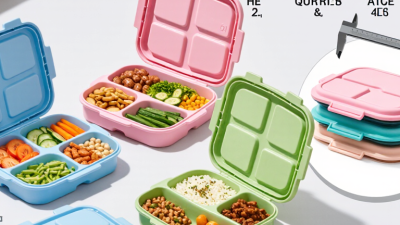
Why Choose a Reliable Bento Lunch Box Manufacturer?

Why Choose a Reliable Bento Lunch Box Manufacturer?

Picking a reliable manufacturer for your Bento lunch boxes isn't just about finding a good deal—it’s a decision that really affects the safety, durability, and how customers see your brand. Sure, some less reputable suppliers might lure you in with low prices, but those tiny defects can pop up pretty quickly—hinges might come loose, seals could fail, or the printed logo might fade after washing a few times. It’s all about quality that lasts. Thomas Bertrand, the guy who started Bento&Co, once said, “A bento box should make everyday meals simpler, cleaner, and more enjoyable.” That really hits home, doesn’t it? A lunch box isn’t just about looking nice in a picture—it’s got to hold up in real life routines. So, when you’re choosing a supplier, you should really dig into the materials they use for contact with food, do their testing for leaks and temperature retention, and check if they can keep production consistent. Plus, factory audits and solid quality records are super important. Experience shows in the details. A trustworthy manufacturer will be able to explain their choice of materials, how they control molds, their inspection processes, and how they handle issues when something goes wrong. They should be willing to send samples before going big and be upfront about what they can or can’t do. It’s also good if they understand how a proper Lunch Packaging Box keeps products safe during shipping and display—things like carton strength, internal padding, and moisture barriers go a long way in avoiding unnecessary losses. No manufacturing process is perfect—that’s just the way things are. Even seasoned suppliers might face issues like slight color differences, delays with parts, or reject batches sometimes. What really counts is how they handle these hiccups. Do they document the problem? Do they come up with real solutions? And do they learn from these issues to improve moving forward? A good partner won’t shy away from tough questions; they’ll show you real evidence rather than just making promises. This article aims to highlight what makes a manufacturer trustworthy versus one that could be risky, because at the end of the day, every supply decision deserves careful thought—it's about more than just price, after all.
Read more »
Oliver By:Oliver - October 2, 2026
Who Are the Top Packaging Bowls Manufacturers in China?

Who Are the Top Packaging Bowls Manufacturers in China?

China’s packaging bowl manufacturers cater to a wide range of clients — from restaurants and food delivery services to retailers and international buyers. But when you're choosing a supplier, it’s not just about comparing prices. There are lots of other factors to consider—like the materials used for the bowls, how well the lids fit, consistency in production, customization options, and making sure they have solid quality controls documented. Sometimes, a sample that looks really sturdy sitting on your desk can perform totally differently once it’s filled with hot soup or during a long delivery. So yeah, those little details really do matter. And let's not forget about the bigger picture: packaging waste is a huge issue. According to the OECD’s Global Plastics Outlook from 2022, approximately 353 million tonnes of plastic waste was generated worldwide in 2019 — and packaging accounted for around 40% of that. The UN’s Turning off the Tap report from 2023 also pointed out that roughly 36% of all plastics produced go into packaging. Keep in mind, these are broad global statistics and don’t reflect how any one Chinese supplier performs specifically — that part actually matters quite a lot. This guide is all about helping you evaluate manufacturers based on practical criteria like their product range, material options, production capacity, quality documentation, and how quickly they respond to your needs. It’s not about naming a single “winner.” Setting up a neat ranking can sometimes hide important differences — things like order sizes, lead times, or what the products are actually intended for. And don’t take supplier claims at face value. Always ask for their latest specs, samples, and straightforward answers about the products each factory makes — that’s how you really get a clear picture.
Read more »
Sophia By:Sophia - September 27, 2026
Top Plastic Container Suppliers for Global Buyers?

Top Plastic Container Suppliers for Global Buyers?

When global buyers are on the hunt for a plastic container, they often run into a pretty practical challenge: finding something that’s not just good-looking but also reliable enough to survive the trip, fit the contents perfectly, and arrive in one piece every time. For example, a jar might look spot-on in the showroom, but after some handling, it could start leaking—small details really do make a difference. The stakes here are pretty high. According to the OECD’s Global Plastics Outlook, in 2019, the world produced about 353 million tonnes of plastic waste—roughly 40% of which came from packaging. That’s a lot! It’s no surprise that people aren’t just comparing unit prices anymore. They’re also checking out production capacity, quality control measures, material specs, lead times, and whether the supplier can provide solid documentation. It’s all about making sure the supplier can keep up and deliver quality. And let’s be real: there’s no one-size-fits-all “best” supplier. A food brand might care most about reliable closures and consistent sizes, while a personal care company might prioritize how well a container dispenses product and how good it looks on the shelf. So, it’s smart for buyers to verify claims by checking samples, reading technical documents, and having conversations directly with manufacturers. Company websites are a good starting point, but don’t take their word as gospel—sometimes they can oversell a bit. Always double-check. This guide is here to introduce you to some plastic container suppliers that serve international clients and to give you a few practical tips for comparing them. It pulls together industry insights and supplier info, but keep in mind that things can change quickly—they might update their capabilities or offerings. Think of any shortlist as just that—your starting point. Make sure to double-check specs, order terms, and quality standards before you seal the deal. Good sourcing isn’t just about finding a supplier; it’s about asking the right questions—and sometimes, it means getting a second sample to be totally sure.
Read more »
Oliver By:Oliver - September 24, 2026
Top Polypropylene Container Manufacturers in China

Top Polypropylene Container Manufacturers in China

China has really become a major hub for making polypropylene containers, especially for stuff like food, healthcare, household items, and industrial packaging. The demand for these containers is pretty high, thanks to polypropylene’s lightweight nature, chemical resistance, and how easily it can be molded into different shapes. According to Grand View Research, the global market for polypropylene was worth over USD 126 billion in 2022, and it looks like packaging will stay a leading use through at least 2030. That’s a strong sign of market potential, but honestly, it doesn’t automatically mean you’re getting quality suppliers. In this guide, I’ll walk you through how to spot the good Chinese manufacturers based on real criteria. Things like their molding capabilities, whether they can trace their resins, their factory certifications, experience with exports, and their quality control processes all matter. We’ll also look at whether they can provide food-contact documentation, maintain consistent dimensions, perform leak testing, and offer custom tooling if needed. Companies like those studied by Smithers are now focusing on sustainability, making containers lighter, and using recycled materials, so you’ll see some of these trends reflected—though results definitely vary. A trustworthy supplier should be able to share test reports, material specifications, samples, and clear inspection procedures. Having ISO 9001 certification helps show their processes are solid, but it’s not the whole story. It’s a good idea to double-check their actual factory capacity—photos and catalogs can sometimes be a bit misleading. This is where things often get tricky because publicly available info can be outdated or incomplete, and rankings can change fast with new machinery or customer feedback. So, I’m presenting these companies as practical options to consider—not as permanent winners. Their suitability really depends on your specific needs—like your order size, compliance requirements, and delivery deadlines. Bottom line: always do your homework before you sign any deals!
Read more »
Sophia By:Sophia - September 20, 2026
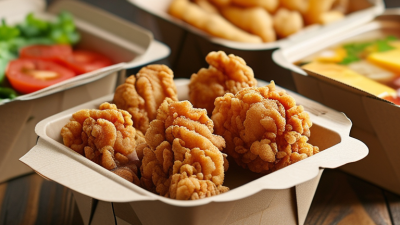
Top Fast Food Containers for Global Buyers?

Top Fast Food Containers for Global Buyers?

Picking the right fast food containers for international markets isn’t just about comparing prices — it’s a lot more nuanced. Buyers have to juggle stuff like food safety, how well they hold heat, if they leak, how brands appear on the packaging, and how easy it is to ship. For example, a fried chicken box might work great in a dry climate, but if it gets steam on it after ten minutes, it can soften or get soggy. Same with a soup bowl — you need a sturdy lid, easy stacking, and good insulation to keep the soup hot. Little details like that really impact customer satisfaction — and whether they’ll come back for more. This guide takes a practical look at different types of containers — paperboard, molded fiber, plastic, or compostable options — focusing on what really matters when you’re buying. We talk about the restaurant experience, supplier info, making sure the production’s consistent, and calculating the total cost of getting these containers to your door. Keep in mind, not all so-called “eco-friendly” claims are trustworthy — some need a closer look, and often you’ll want proof of what’s being claimed about the materials used. Now, on top of all that, global buyers have to navigate different rules around food contact, recycling, and labeling. A container that passes muster in one country might need extra checks elsewhere. Responsible sourcing means requesting samples, migration tests, factory audits, and even doing transit trials. It’s smart to ask your supplier how these containers hold up after spending half an hour in a delivery bag or how well lids fit across different batches. You should also check for print quality, any odors, how strong the seals are, and whether there’s any damage to the boxes — these simple tests can reveal issues that photos in catalogs just can’t show. The guide also covers options for burgers, noodles, salads, desserts, and drinks takeout, highlighting suppliers who work with big brands like McDonald’s and KFC, as well as smaller restaurateurs. But, and this is important, don’t assume one container fits all situations — every restaurant has its own needs. Remember, this overview is helpful, but it’s no substitute for local regulations and rules. Always double-check current requirements before you place a big order — better safe than sorry.
Read more »
Oliver By:Oliver - September 15, 2026
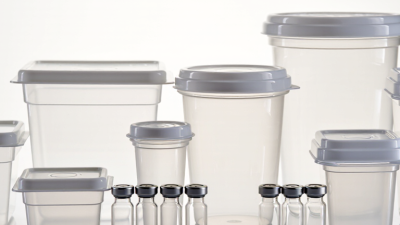
Top 10 Types of Deli Containers for Food Packaging

Top 10 Types of Deli Containers for Food Packaging

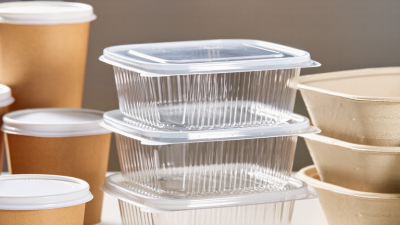
Picking the right deli packaging isn't just about grabbing a clear container from the catalog. You gotta think about protecting the food, keeping it looking fresh, ensuring safe handling, and matching the container to the food’s temperature and moisture needs. For instance, a thin plastic cup might be just right for potato salad, but when it comes to layered fruit or ready-to-eat meals, a sturdier PET container tends to do the trick better. Dr. Susan Selke, who's a legend in packaging research and an emerita professor at Michigan State, once said, “Packaging isn’t just about the material itself; it’s a whole system.” That really stuck with me, especially when looking at the top 10 types of deli containers. Everything needs to work together—material, lid, seal, storage temps, how it’s transported, and even how you dispose of it. I mean, a container that looks snazzy on the shelf might end up leaking inside a delivery bag—those little details matter more than you'd think. This guide covers all sorts of options—PET, polypropylene, polystyrene, PLA, paperboard, aluminum, foam, hinged, tamper-evident, and multi-compartment containers. Each one has its perks, but also some downsides. PET’s great for clarity, but probably not the best if you're serving something hot. Polypropylene handles warmth a lot better, but sometimes it doesn’t feel as premium. And while compostable containers sound like the eco-friendly choice, not everyone’s local facilities can handle them, so that’s something to keep in mind. Honestly, the real deal comes down to testing things out. Fill it up, close the lid, gently turn it around—check how well it seals. Stack a few and see how they hold up after chilling in the fridge. It’s not an exact science, but doing this kind of trial run can expose weaknesses that product descriptions might gloss over. In the end, the best choice depends on safety guidelines, what your supplier recommends, what your customers expect, and how you actually use the containers day-to-day.
Read more »
Liam By:Liam - September 11, 2026