Leave Your Message
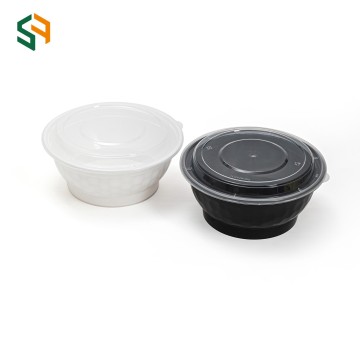
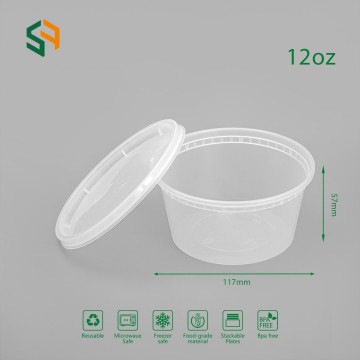
Discover our top-tier, high-demand disposable tiffin boxes and containers engineered for the rigorous standards of the North American catering and delivery sectors.
Analyzing the commercial, regulatory, and logistics factors driving the demand for high-performance food containers across North America.
The food service packaging industry in the United States is undergoing a rapid transition. Historically, expanded polystyrene (commonly known as Styrofoam) and low-grade plastics dominated the takeout market. However, due to rigorous municipal bans, state-level environmental mandates (such as California's SB 54), and a massive shift in consumer consciousness, food service operators are actively seeking high-quality, recyclable, and microwave-safe alternatives. Polypropylene (PP) has emerged as the premier choice, offering exceptional heat tolerance, structural rigidity, and chemical stability under extreme temperatures.
In addition to traditional PP, the demand for bio-based and compostable materials has skyrocketed. Modern American consumers, particularly in metropolitan centers like Seattle, San Francisco, New York, and Austin, expect their packaging to align with carbon-neutral goals. For wholesale distributors, supplying tiffin boxes and lunch containers that utilize modified PP with reduced carbon footprints, or integrating fully bio-based materials, is no longer just an eco-friendly option—it is a critical requirement to win contracts with major fast-casual chains, university dining programs, and corporate catering accounts.
The post-pandemic era has permanently altered the food service business model in the United States. The explosive growth of third-party delivery applications like DoorDash, Uber Eats, and Grubhub, combined with the rise of virtual brands and ghost kitchens, has placed immense pressure on food packaging. When food is transported miles away from the kitchen, the container serves as the primary physical touchpoint between the restaurant and the customer. Flimsy, poorly sealed containers result in leaks, cold food, and disappointed customers, directly leading to negative online reviews and lost revenue.
Consequently, the demand for wholesale disposable tiffin boxes with advanced locking mechanisms, leak-proof perimeter seals, and stackable designs has reached an all-time high. Commercial operators require containers that prevent cross-contamination, retain heat during transit, and stack efficiently in delivery bags without collapsing. Our products are specifically engineered to address these challenges, ensuring that foods from saucy pastas to hot soups arrive at the customer's doorstep exactly as the chef intended.
Navigating the regulatory landscape in the United States is a primary challenge for wholesale packaging importers. The US Food and Drug Administration (FDA) enforces strict regulations regarding food-contact substances, ensuring that no harmful chemicals migrate from the container into hot or acidic foods. Furthermore, supply chain transparency is heavily scrutinized by commercial buyers. Our manufacturing facilities utilize 100% virgin, food-grade materials and adhere to strict international certifications including ISO 9001, ISO 14001, and HACCP food safety management systems. This guarantees that every shipment of tiffin boxes we deliver to the US market meets the highest levels of safety, compliance, and structural consistency.
Aligning advanced manufacturing capabilities with global sustainability goals to deliver safe, reliable, and eco-friendly food packaging solutions.
To be your trusted partner in sustainable food packaging – delivering high-value products, reliable quality, and excellent service to businesses across the United States.
With years of experience in disposable tableware, we use 100% compostable, bio-based, and biodegradable materials to reduce fossil fuel dependency and promote circular economies.
Precision manufacturing ensures every container is durable, safe, and able to return to nature responsibly. We are committed to helping you serve meals in a way that protects both health and the planet.
How state-of-the-art automation and advanced sheet extrusion techniques enable us to deliver superior products at competitive wholesale prices.
Traditional blister and packaging manufacturing methods often suffer from inconsistent wall thickness, which leads to weak corners and structural failures when containers are stacked. To resolve this, our manufacturing plants have transitioned to multi-station positive-negative pressure automatic thermoforming lines integrated with high-precision robotic arms. This technology uses compressed air and vacuum force simultaneously to mold the plastic sheets, ensuring perfect detail definition, uniform thickness, and highly consistent snap-fit closure rims. For commercial users, this means lids fit securely every time, eliminating leakage risks and optimizing packing speed in fast-paced kitchens.
In the wholesale market, price volatility and supply chain disruptions can heavily impact business operations. By establishing our own in-house sheet extrusion lines, we achieve complete vertical integration. We process modified PP raw materials and bio-based biodegradable sheets in-house, ensuring absolute control over material purity, thickness, and performance characteristics. This integration not only reduces our carbon footprint by eliminating secondary transport but also insulates our clients from raw material price spikes, ensuring stable wholesale pricing and consistent lead times year-round.
Food safety is non-negotiable. To guarantee zero contamination, our primary production lines are housed within a massive, high-standard clean workshop equivalent to ISO Class 8. This controlled environment regulates dust, airborne microbes, and temperature, ensuring that every disposable tiffin box, bowl, and cup is formed, stacked, and packed under sterile conditions. This process meets and exceeds the stringent hygiene requirements of major US food brands, healthcare institutions, and school boards.
Exploring how different industries and regions utilize our premium disposable containers to meet unique regional and business demands.
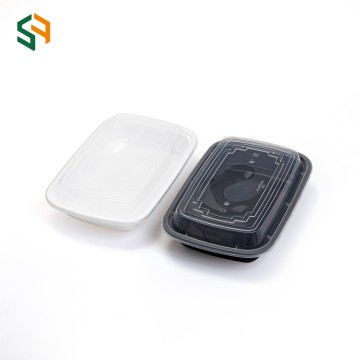
In high-density corporate environments like Manhattan, busy professionals rely on meal prep services for healthy, calorie-controlled lunches. Our rectangular tiffin boxes and multi-compartment lunch boxes are ideal for these services. They stack perfectly in commercial delivery vans, fit neatly into office refrigerators, and are fully microwave-safe, allowing professionals to reheat their meals safely in office breakrooms.
Southern barbecue and comfort food dining require robust packaging that can handle heavy, greasy, and high-temperature items like brisket, ribs, and hot sides. Flimsy paper containers quickly fail under these conditions. Our heavy-duty injection-molded rectangular boxes provide the structural strength and heat resistance needed to transport hearty Texas meals without bending or leaking.
With California leading the nation in environmental regulations, restaurants in Los Angeles, San Diego, and San Francisco actively seek out sustainable alternatives. Our bio-based biodegradable lunch boxes and recyclable PP bowls allow these brands to comply with strict local laws while projecting a green, eco-conscious image that resonates with West Coast diners.
Large-scale university dining halls and campus food courts across the Midwest process thousands of meals daily. They require cost-effective, durable, and standardized containers that support rapid food assembly and quick takeout options for students. Our bulk wholesale containers provide the perfect balance of affordability, hygiene, and durability for high-throughput institutional dining.
A look back at our journey of growth, technological breakthroughs, and global expansion from 2005 to 2026.
Explore our full selection of high-quality disposable food containers designed for diverse commercial operations and regional requirements across the US.